|

Breaking: Non-Farm Payrolls smashes expectations with 266K, USD rises

The US economy gained 266,000 positions in November, far above expectations of 180,000.

The return of GM strikers to workers added fewer jobs than expected and revisions added 41K. Wage growth rose by only 0.2% monthly but surprised with 3.1% yearly. The unemployment rate dropped to 3.5% but it came on top of a drop in the participation rate.

The US dollar is rising across the board with EUR/USD falling to 1.1074. GBP/USD is down to 1.3121, and USD/JPY is above 108.80.

Follow all the Non-Farm Payrolls updates live

Here is how the move looks on the EUR/USD chart:
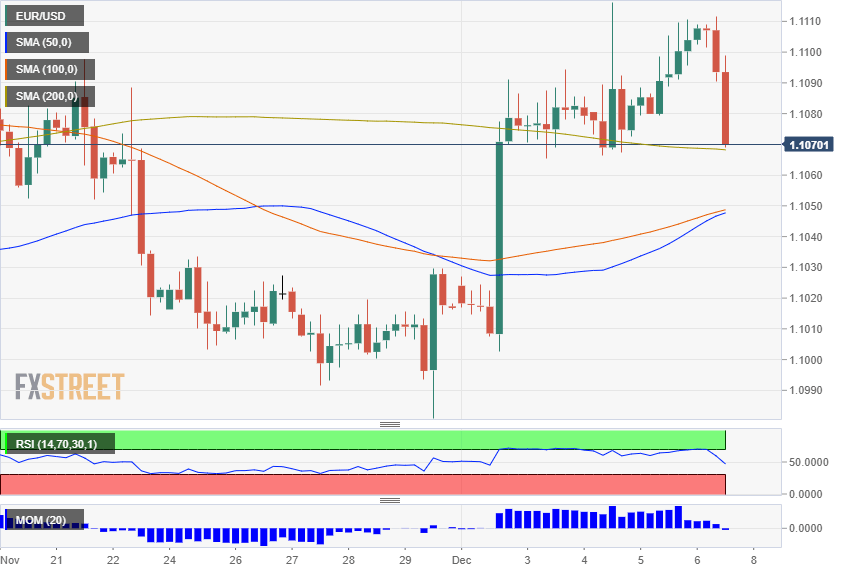
EUR USD reacting to Non Farm PAyrolls December 6 2019

Non-Farm Payrolls figures

  • Non-Farm Payrolls: 266K, expected 180K, previous 128K
  • Average Hourly Earnings (YoY): 3.1%, expected 3%, previous 3%
  • Average Hourly Earnings (MoM): 0.2%, expected 0.3%, previous 0.2%
  • Revisions: +41,000, previous 95,000
  • Unemployment Rate: 3.5%, expected 3.6%, previous 3.6%
  • Participation Rate: 63.2%, expected 63.3%, previous 63.3%
  • U-6 Underemployment Rate: 6.9%, previous 7%
  • Average Workweek: 34.4, expected 34.4%, previous 34.4

November Non-Farm Payrolls background

ADP's Employment Change report for the private sector badly disappointed with an increase of 67,000. On the other hand, the employment component of the ISM Non-Manufacturing PMI indicated elevated hiring. 

The NFP feeds into the last Federal Reserve decision of the year, due on December 11. The Fed is set to leave rates unchanged but may provide hints toward the next moves.

See Fed Preview: Is the bar higher for hiking? Powell's may down the dollar, three things to watch

Author

Yohay Elam

Yohay Elam

FXStreet

Yohay is in Forex since 2008 when he founded Forex Crunch, a blog crafted in his free time that turned into a fully-fledged currency website later sold to Finixio.


More from Yohay Elam
Share:

Editor's Picks

AUD/USD flirts with 0.7000, lowest since early August amid bullish USD

AUD/USD hits a fresh low since early August during the Asian session on Friday and looks vulnerable near 0.7000 after breaking below the 200-day SMA overnight. Against the backdrop of the hawkish Fed, a two-day rally in oil prices revives inflation fears and continues to push US bond yields to multi-year highs. Adding to this, geopolitical risks lift the US Dollar to a two-month high, overshadowing RBA rate hike bets and weighing on the pair.

USD/JPY pulls back from three-week high after failing near 159.00

USD/JPY edges lower during the Asian session on Friday, stalling its recent strong move to a three-week high of 159.00 as Japanese Yen bears turn cautious amid intervention fears. Meanwhile, the US Dollar retains a strong bullish undertone as the Fed's hawkish outlook and oil-driven inflation fears continue to push US bond yields to multi-year peaks. Furthermore, the BoJ's dovish rate hike last week might cap JPY and support spot prices.

Gold treads water below $4,300

Gold grabs some buying attention and advances marginally at the end of the week, partially retracing the weekly decline, although it is still navigating below the key $4,300 mark per troy ounce. The fresh selling bias on the Greenback and the modest decline in US Treasury yields appear to support the humble advance in the precious metal.

Crypto Today: Bitcoin and Ethereum edge lower, XRP extends recovery as macro headwinds weigh

The broader cryptocurrency market is consolidating on Friday, with Bitcoin paring losses slightly above $84,000. Ethereum declines in tandem with BTC. Ripple (XRP), meanwhile, paints a different picture.


Fed vs BoJ: Both hiked. The market only believes one of them – and the chart shows which
The Federal Reserve (Fed) and the Bank of Japan (BoJ) have just done something remarkably similar. Both central banks raised interest rates by 25 basis points (bps) last week, both are confronting inflation risks, and both signal that future decisions will depend on incoming economic data.
Fed vs BoJ: Both hiked. The market only believes one of them – and the chart shows which

The Fed and the BoJ have just done something remarkably similar. Both central banks raised interest rates by 25 bps last week, both are confronting inflation risks, and both signal that future decisions will depend on incoming economic data.













