BoJ’s Ueda says rate hikes to continue if outlook materializes
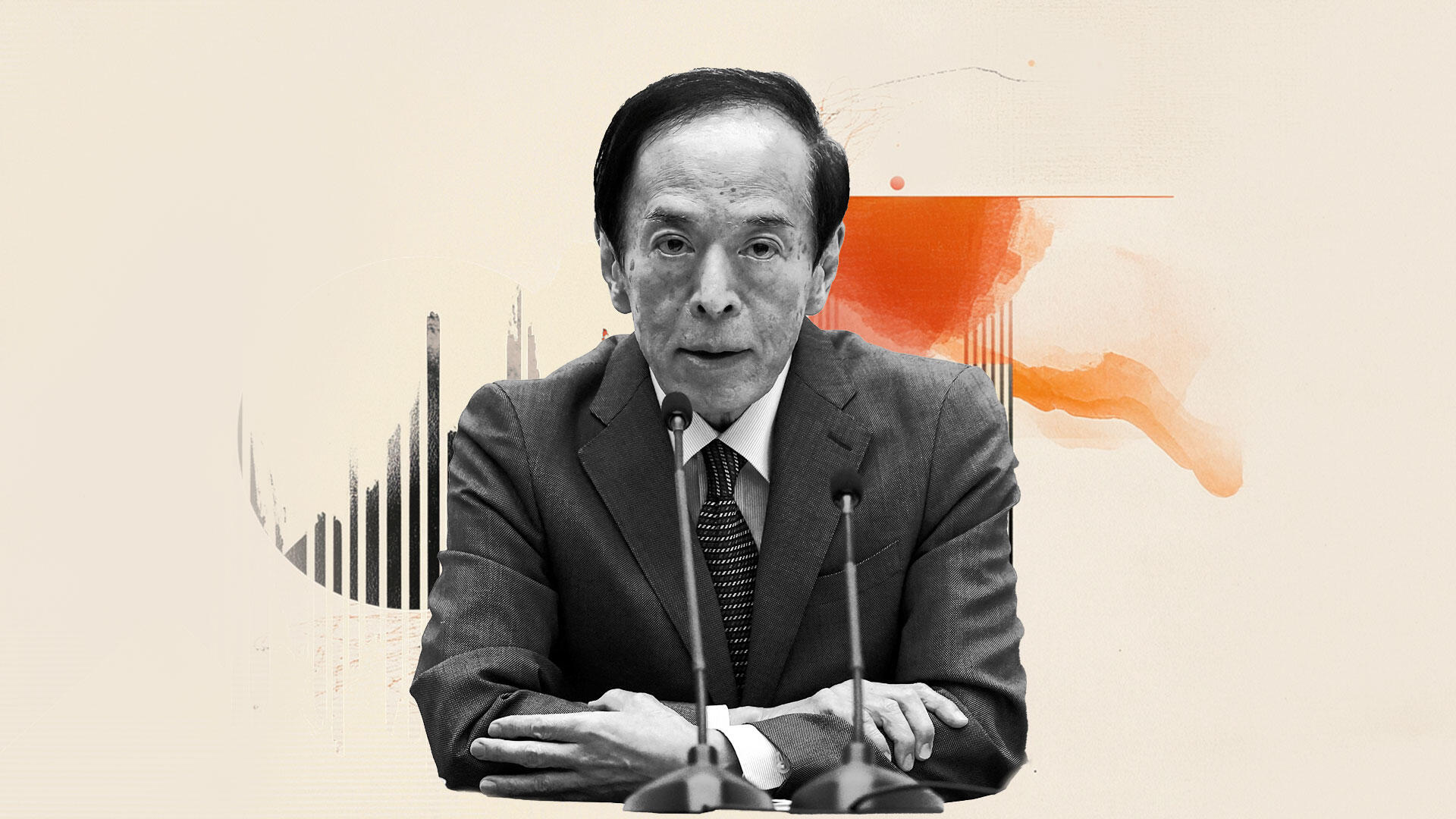
Bank of Japan (BoJ) Governor Kazuo Ueda said on Thursday that the the basic stance is to continue raising interest rates if the likelihood of our economic, price forecasts materialising heightens.
Key quotes
Our basic stance is to continue raising interest rates if the likelihood of our economic, price forecasts materialising heightens.
Underlying inflation has yet to fully hit 2%, will guide policy so underlying inflation hits 2% or we avoid it from exceeding 2% on sustained basis.
We do not think we are behind the curve in addressing risk of too-high inflation.
No change from January to our projected timing for hitting price target, expect inflation to re-accelerate from current slowdown.
If the outcome of Spring wage talks are stronger than expected and prod firms to pass on costs swiftly, there is chance we could achieve price target sooner than expected.
April Tankan is important piece of information but we are conducting various surveys, so it is not as if we must wait until Tankan's release to have sufficient data.
Bank of Japan will hold policy meetings in March and April, will scrutinize information available by then and reach decision, when asked about growing market views Bank of Japan could hike rates in April.
Do not expect significant impact from new Trump tariffs on Japan's economy but watching developments carefully.
Important for government and parliament to ensure market trust in Japan's medium to long term fiscal health.
Market reaction
As of writing, the USD/JPY pair is up 0.20% on the day at 156.20.
Japanese Yen FAQs
The Japanese Yen (JPY) is one of the world’s most traded currencies. Its value is broadly determined by the performance of the Japanese economy, but more specifically by the Bank of Japan’s policy, the differential between Japanese and US bond yields, or risk sentiment among traders, among other factors.
One of the Bank of Japan’s mandates is currency control, so its moves are key for the Yen. The BoJ has directly intervened in currency markets sometimes, generally to lower the value of the Yen, although it refrains from doing it often due to political concerns of its main trading partners. The BoJ ultra-loose monetary policy between 2013 and 2024 caused the Yen to depreciate against its main currency peers due to an increasing policy divergence between the Bank of Japan and other main central banks. More recently, the gradually unwinding of this ultra-loose policy has given some support to the Yen.
Over the last decade, the BoJ’s stance of sticking to ultra-loose monetary policy has led to a widening policy divergence with other central banks, particularly with the US Federal Reserve. This supported a widening of the differential between the 10-year US and Japanese bonds, which favored the US Dollar against the Japanese Yen. The BoJ decision in 2024 to gradually abandon the ultra-loose policy, coupled with interest-rate cuts in other major central banks, is narrowing this differential.
The Japanese Yen is often seen as a safe-haven investment. This means that in times of market stress, investors are more likely to put their money in the Japanese currency due to its supposed reliability and stability. Turbulent times are likely to strengthen the Yen’s value against other currencies seen as more risky to invest in.
Author

Lallalit Srijandorn
FXStreet
Lallalit Srijandorn is a Parisian at heart. She has lived in France since 2019 and now becomes a digital entrepreneur based in Paris and Bangkok.