BoE’s Dhingra: Demand is too soft for inflation to rise sharply
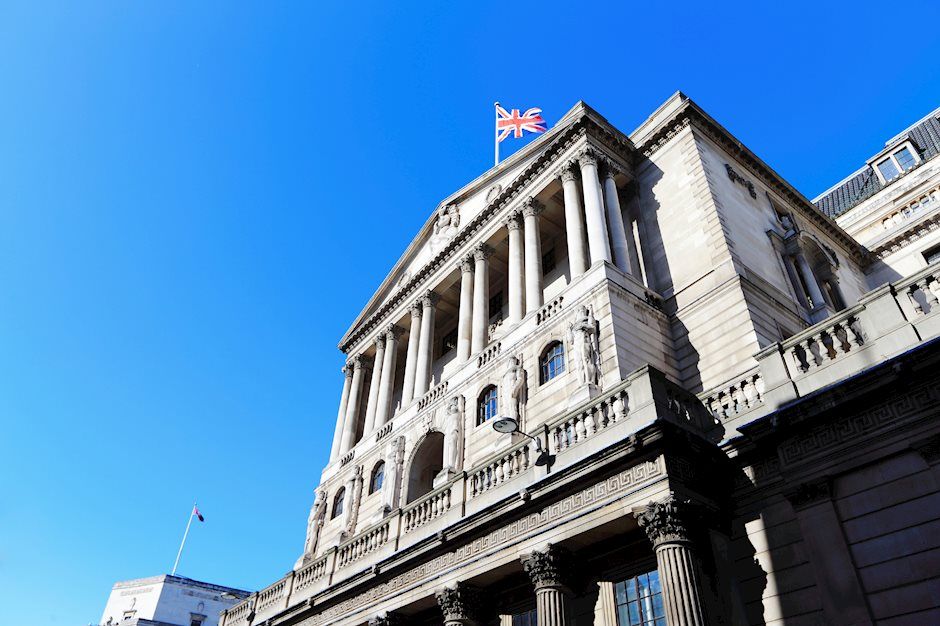

Bank of England Monetary Policy Committee member Swati Dhingra said on Monday that inflation in the United Kingdom was unlikely to rise sharply again and the UK central bank should bring down borrowing costs.
Key quotes
Now is the time to start normalising (interest rates) so we can then finally stop squeezing living standards the way we have been to try and get inflation down.
I don't see some kind of consumption boom and if we're going to start moderating from the very high level of interest rate that we are at now...it is going to take some time for that to happen, for us to moderate it as well as for that to then feed into the real economy.
Demand is too soft for inflation to rise sharply.
Now is the time to start normalising interest rates so we can finally stop squeezing living standards.
Market reaction
At the time of writing, GBP/USD is trading at 1.2965, losing 0.17% on the day.
BoE FAQs
The Bank of England (BoE) decides monetary policy for the United Kingdom. Its primary goal is to achieve ‘price stability’, or a steady inflation rate of 2%. Its tool for achieving this is via the adjustment of base lending rates. The BoE sets the rate at which it lends to commercial banks and banks lend to each other, determining the level of interest rates in the economy overall. This also impacts the value of the Pound Sterling (GBP).
When inflation is above the Bank of England’s target it responds by raising interest rates, making it more expensive for people and businesses to access credit. This is positive for the Pound Sterling because higher interest rates make the UK a more attractive place for global investors to park their money. When inflation falls below target, it is a sign economic growth is slowing, and the BoE will consider lowering interest rates to cheapen credit in the hope businesses will borrow to invest in growth-generating projects – a negative for the Pound Sterling.
In extreme situations, the Bank of England can enact a policy called Quantitative Easing (QE). QE is the process by which the BoE substantially increases the flow of credit in a stuck financial system. QE is a last resort policy when lowering interest rates will not achieve the necessary result. The process of QE involves the BoE printing money to buy assets – usually government or AAA-rated corporate bonds – from banks and other financial institutions. QE usually results in a weaker Pound Sterling.
Quantitative tightening (QT) is the reverse of QE, enacted when the economy is strengthening and inflation starts rising. Whilst in QE the Bank of England (BoE) purchases government and corporate bonds from financial institutions to encourage them to lend; in QT, the BoE stops buying more bonds, and stops reinvesting the principal maturing on the bonds it already holds. It is usually positive for the Pound Sterling.
Author
Lallalit Srijandorn
FXStreet
Lallalit Srijandorn is a Parisian at heart. She has lived in France since 2019 and now becomes a digital entrepreneur based in Paris and Bangkok.