|

Biden's Rescue Plan: We need to move fast
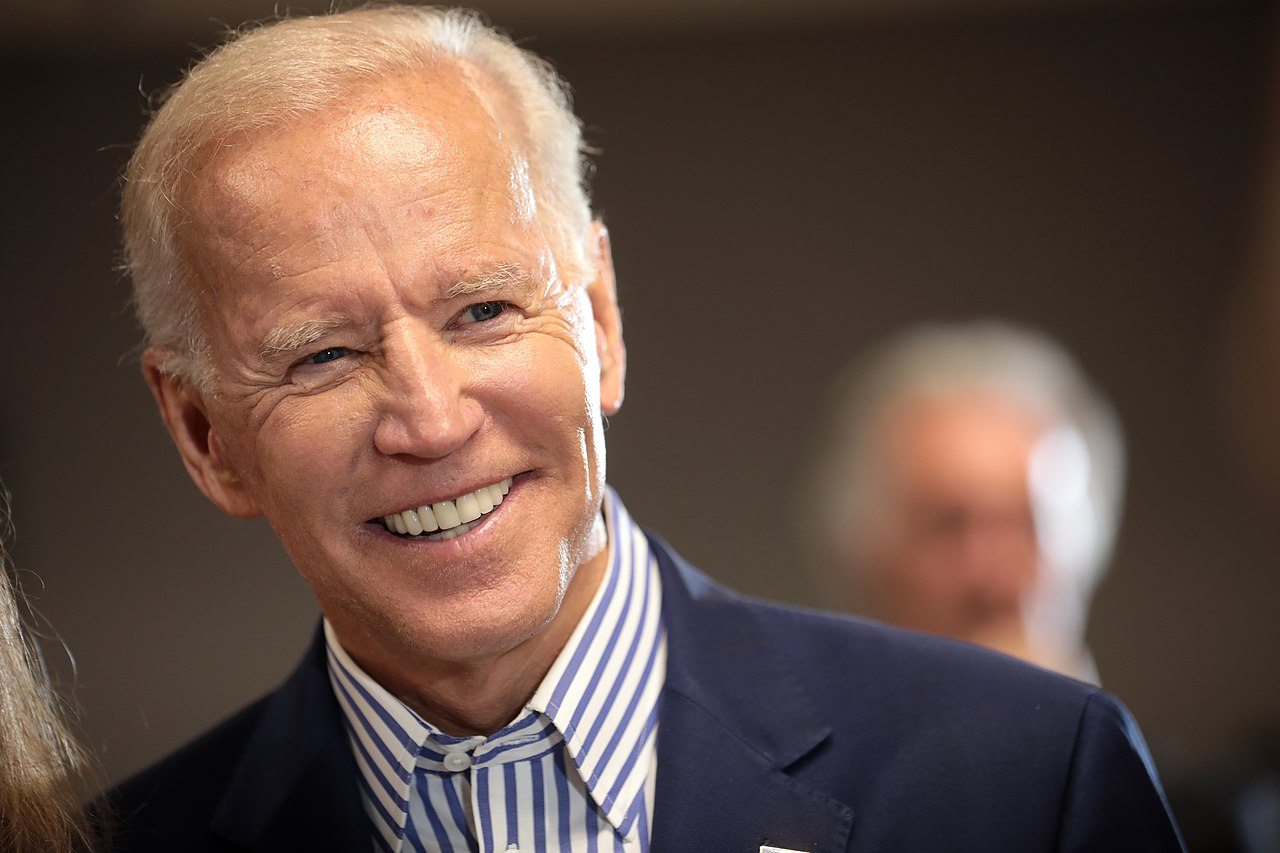
 

The US President-elect is addressing the nation on how his administration will turn the page on the COVID-19 crisis and begin to recover as a nation.

The details were mostly already known, as follows:

Outline of the plan

  • Plan will include $2000 direct payments.
  • Includes more vaccines and virus testing.
  • Will include aid for state and local governments.
  • An extension of supplemental federal unemployment benefits.
  • More help for renters.
  • Money for schools to open.

Additional information

  • $350 billion to states for front line workers, $50 billion in expanded testing, $160 billion for national vaccine program.

  • $1tln in direct support for households

  • Circa $440 bn for business, most-impacted communities
  • Stimulus checks to be topped up by $1,400 (so $2,000 in total, the initial $600 + $1,400)
  • Supplemental unemployment benefit to $400 / week (its currently $300) and extended to September 2021
  • The national minimum wage of $15, an end to tipped minimum wage.
  • Biden will attempt to get his "American Rescue Plan" passed through Congress in the first weeks of his administration. 

Live comments

''Debt situation will be more stable if we seize the moment''.

''$2000 is going to go a long way to ease that pain''.

"We need about $400 billion of funding from Congress to make all of what I've just said happen."

Biden says plans 100m vaccine shots in first 100 days.

Market implications

Dollar Index sees little action as US President-elect Joe Biden unveils coronavirus rescue plan
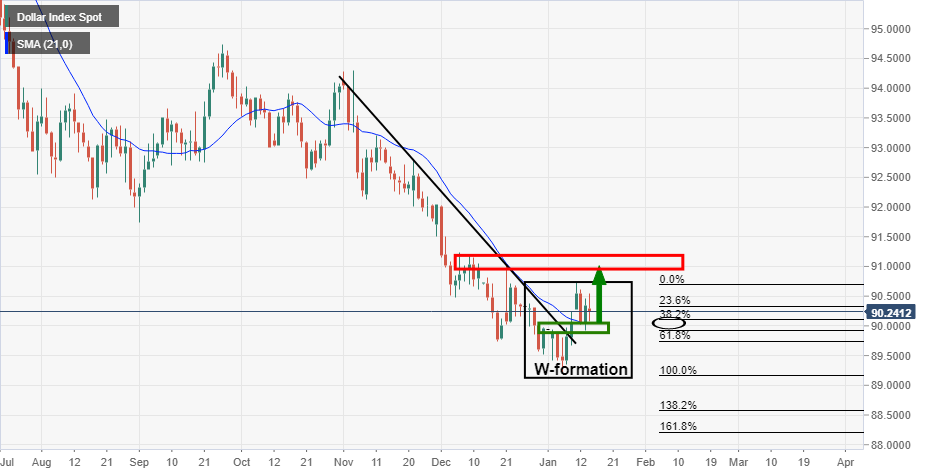
The US dollar has corrected the W-formation's bullish impulse to the neckline of the pattern. The price would be now expected to hold at this confluence level and then continue higher. 

Author

Ross J Burland

Ross J Burland, born in England, UK, is a sportsman at heart. He played Rugby and Judo for his county, Kent and the South East of England Rugby team.


More from Ross J Burland
Share:

Editor's Picks

GBP/USD remains offered; bears target 1.3600

GBP/USD now leaves behind part of its recent recovery and revisits the low 1.3600s at the beginning of the week. Indeed, Cable trades with a mild downward bias amid decent gains in the Greenback as investors remain wary of upcoming US data releases and the Jackson Hole event.

EUR/USD remains sidelined above 1.1650

EUR/USD trades on the defensive following the closing bell on Wall Street on Monday, hovering around the 1.1660 region and adding to Friday’s small decline. The pair’s pullback comes in response to an acceptable rebound in the US Dollar in a context of generalised caution ahead of key US data releases and Chair Warsh’s speech in Jackson Hole.

Gold poised to extend its bullish run

Gold surrenders part of its initial advance, although it keeps its bullish pace well and sound above the $4,600 mark per troy ounce on Monday. The precious metal’s move higher comes despite slight gains in the US Dollar and a modest pullback in US Treasury yields across the curve.

XRP surged 72%, but is the rally really about XRP?
Ripple (XRP) surged more than 72% in less than a week, its strongest rally since July 2025, as cryptocurrency prices broadly broke out. But the move has a problem: it may have little to do with XRP itself. The token's near-term rally appears to have been driven largely by a broader liquidity shift after the US Treasury expanded long-end bond buybacks, pulling yields lower and lifting risk assets.
Convulsion in credit markets
The United States government just posted a $432.3 billion deficit for July, the largest monthly shortfall since March of 2021. That single burst of red ink pushed the yeartodate deficit to $1.8 trillion, with two months still remaining in fiscal 2026. At this pace, Washington will soon wax nostalgic for the “good old days” when annual deficits were only $2 trillion.
$20 billion offered, $2 billion taken: Why Treasury doubled its buyback cap

The US Treasury moved off its own calendar on Wednesday, and that is the part worth sitting with. At 12:32 GMT, the department said it would at least double the size of liquidity support buyback operations in the 10-year to 20-year and 20-year to 30-year sectors, lifting the maximum from $2 billion per operation to at least $4 billion, effective September 9 and running to November 4.














