Austrian economy to continue its current strong performance going into 2018 - ING
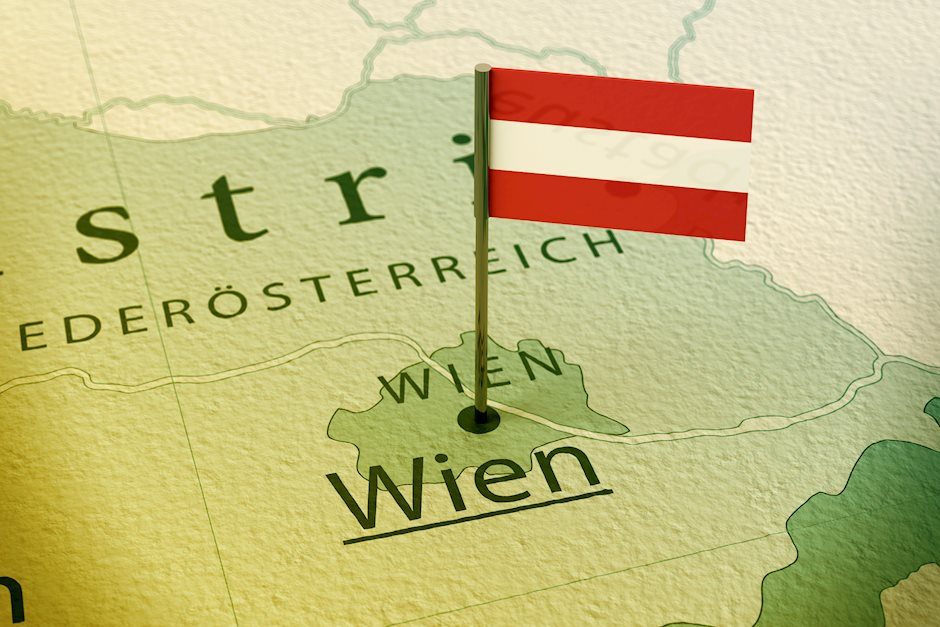

"Austria will have a new government next week and it seems like a good old traditional fiscal stimulus is in the making. With tax relief for children and low-income families, Christmas has come early," ING economists wrote in a recent report.
Key quotes
Contrary to its big neighbour Germany, Austria will have a new government in a couple of days, and it took only nine weeks to form it. A beacon in political times like these. After intense negotiations, a turquoise-blue government is almost a done deal. As long as nothing unexpected happens, the swearing in of the ÖVP-FPÖ coalition government should happen on Monday or Tuesday according to media reports.
So far, the biggest controversy and media attention span around the dropping of the smoking ban. As this has been one of the claims by the FPÖ to form a coalition, the ÖVP bowed. However, there has been already a petition for a referendum against the drop. While more direct democracy in the form of binding referendums in case of the signature of four percent of eligible voters as demanded by the FPÖ is still up for discussion, its agreement could mean that the direct democracy demand backfires on the FPÖ as a first referendum would probably be on the dropping of the smoking ban.
Turning back to the economic impact of the new Austrian government, a good old traditional fiscal stimulus is in the making. The tax bonus for children and the tax relief for smaller and middle-income groups come as early Christmas presents. The rise of working hours is more of a double-edged sword. It could contribute to a stronger growth performance but will also focus the discussion on social aspects of the labour market.
As a consequence of the announced measures, we expect the Austrian economy to continue its current strong performance going into 2018.
Author
Eren Sengezer
FXStreet
As an economist at heart, Eren Sengezer specializes in the assessment of the short-term and long-term impacts of macroeconomic data, central bank policies and political developments on financial assets.