|

Apple in trouble this holiday season?
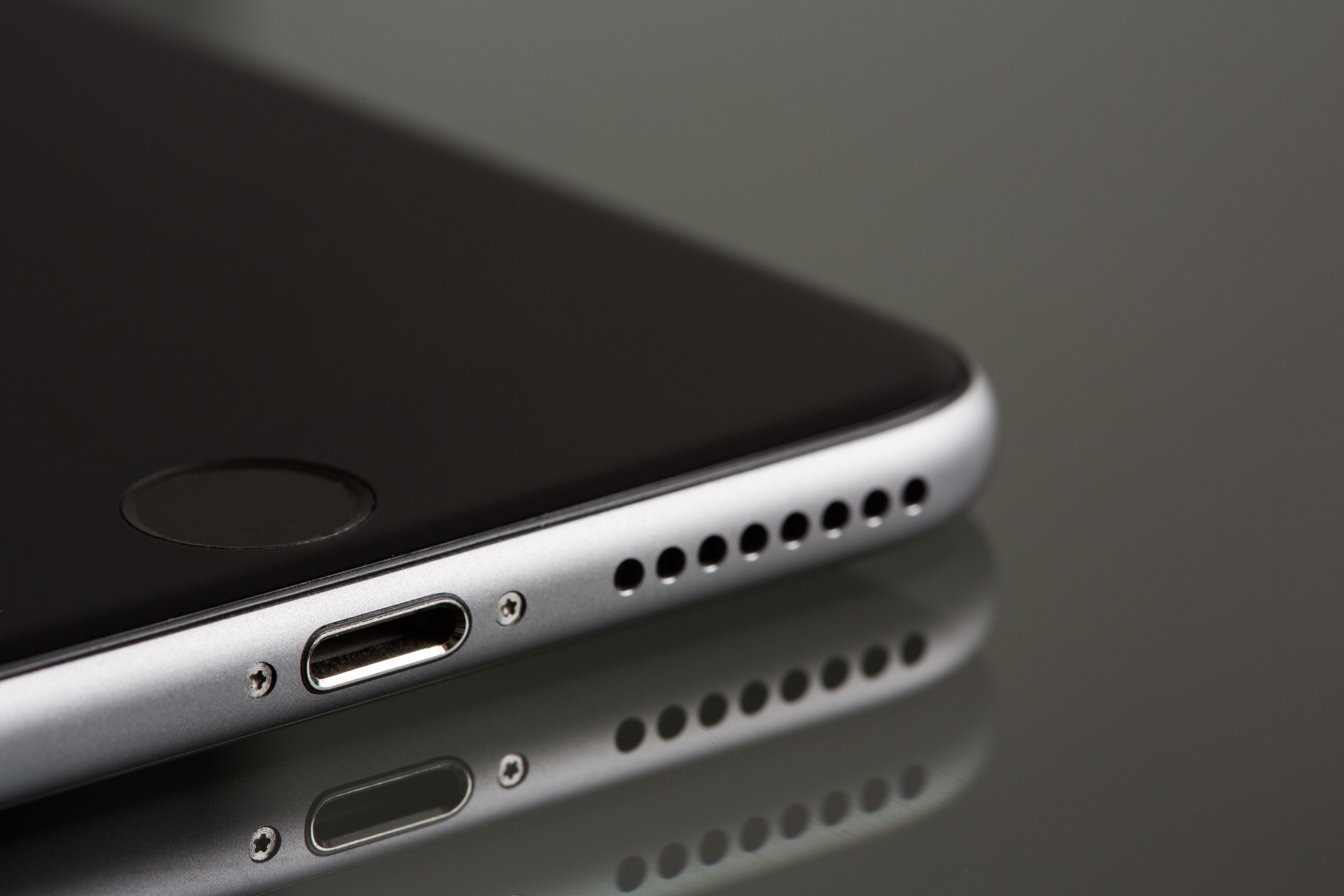
Apple in trouble this holiday season?

Apple seems to be in trouble this holiday season after news emerged that it will cease the sale of its smartwatches through its own US stores ahead of Christmas following a patent infringement case setback, dealing a blow to the tech giant during the crucial sales season. The company announced a "pre-emptive" discontinuation of US sales for two of its latest Apple Watch models, the Series 9 and Ultra 2, starting on December 21 through its official website and post-December 24 in physical stores. This decision follows the US International Trade Commission's issuance of a "limited exclusion order" against the products in October, posing a potential import ban on the devices. A US judge had previously ruled in January that a prominent feature of Apple's latest watches, the blood oxygen sensor, infringed upon patents held by medical device maker Masimo. Apple's share price initially traded almost 2% lower as investors expressed concerns about the situation and the potential ramifications of such a ban. However, the price is attempting to recover while closing the gap and some solace may be found in the limited impact of this situation, confined to the US market. Nevertheless, it remains a disconcerting development that could trigger further movements in one of the most widely followed stocks at a time when we've seen growing uncertainty about its performance related to the sales of smartphones and its shift to alternative products like watches, accessories and from next year, the Vision Pro.

Author

More from XTB Analysis Team
Share:

Editor's Picks

AUD/USD remains depressed below 0.6750 after RBA minutes

AUD/USD treads water below 0.6750 in Asia on Tuesday, struggling near ten-month lows. The pair fails to find any inspiration from RBA Governor Bullock’s hawkish remarks. Moreover, Minutes from the November RBA meeting also had little impact on the Australian Dollar amid a bullish US Dollar undertone, bolstered by firming Fed hike bets and geopolitical uncertainties.

USD/JPY holds steady around 156.50 as 'Yentervention' risks loom

USD/JPY is consolidating around mid-156.00s in the Asian session on Tuesday as traders stay on high alert amid speculation that authorities will step in to support the Japanese Yen. Meanwhile, the US Dollar holds its recent gains at a 19-month high, amid firming Fed rate-hike bets and geopolitical uncertainty. This, along with the wide US-Japan rate differential, acts as a tailwind for the pair.


Gold stays vulnerable amid Fed hike bets, geopolitical uncertainty

Gold sellers take a breather before targeting October 2025 lows near $3,820 early Tuesday. US Dollar renews 19-month highs amid US-Iran woes and hawkish Fed rhetoric. Gold’s daily technical setup suggests downside risks remain ahead of Wednesday’s Fed Minutes.

XRP revisits November 2024 levels, XLM hits a two-year low
Ripple (XRP) and Stellar (XLM) tumble as bears show no signs of backing down. With both altcoins under pressure on Tuesday, XRP revisits November 2024 levels, and XLM hit a two-year low last week. Meanwhile, deteriorating on-chain metrics and bearish technical indicators suggest further downside risk, despite both tokens entering oversold conditions.
The week ahead: Questions for the new Nvidia CEO, Anthropic’s IPO and economic data dump
The tech stock rout does not look to be over, and could be broadening as we start a new week. Nvidia’s stock price is lower by another 2% in the pre market, and its rivals, that had benefited from the chip giant’s initial demise, are also playing catch up this morning. AMD’s share price is lower by 4.2% in early trading, even though it eked out a gain last week.
Gold isn't being sold for thew reason most people think
Gold (XAU/USD) remains under heavy selling pressure on Monday, hitting its lowest level in 13 months. The precious metal is struggling to recover despite escalating geopolitical tensions in the Middle East, a backdrop that would normally encourage investors to seek protection in safe-haven assets. However, the main driver behind Gold's decline is not the geopolitical uncertainty itself.