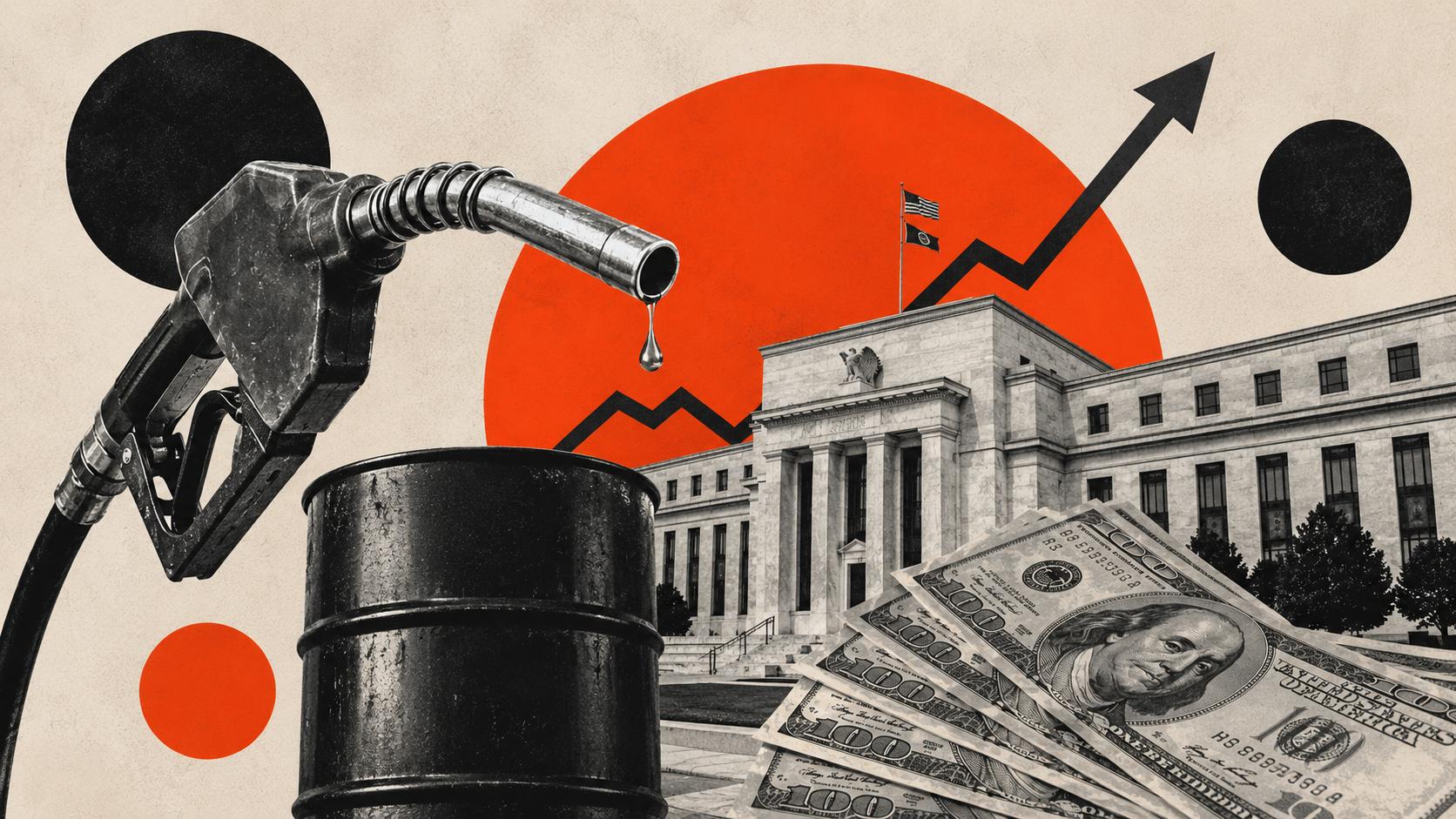
Analysts divided over the impact of the upcoming Federal Reserve rate cut on Wall Street

Wall Street has been edging higher on the back of investor optimism that the Federal Reserve will cut rates, but will lower interest rates really be a catalyst for further growth?
The S&P 500 has achieved new record highs on consecutive days, with expectations firmly focused on the economic boosts that rate cuts could bring.
According to one Reuters poll, almost all 107 economists surveyed believed that the Federal Reserve would cut its key interest rate by 25 basis points on September 17, owing to labor market softness as a major catalyst.
Most respondents also believed that the Fed would make a further cut in the next quarter, which would see rates fall to 4% for the first time since November 2022.
Factoring future cuts
Optimism for rate cuts in the coming days has grown substantially following the news that the US added 911,000 fewer jobs than first estimated for the year to March 2025, according to the Bureau of Labor Statistics (BLS).
This sign of weakness in the labor market has pushed expectations for an upcoming cut to near-certainty in the eyes of investors. According to Jamie Cox, managing partner for Harris Financial Group, cuts of up to 50 basis points may also be in play for the Federal Reserve, although most analysts expect a more nuanced approach.
Looking further afield, the odds of interest rates falling to between 2.75% and 3% by this time next year have been raised to around a one in four chance.
However, such aggressive rate cuts can carry a significant impact on Wall Street and the behavior of investors. So what could happen if the Federal Reserve begins ramping up its rate cuts?
Sending Wall Street higher?
Investors and market traders have long associated rate cuts with a bullish outlook for Wall Street. Cutting interest rates generally helps to encourage borrowing among businesses, which improves growth prospects for many stocks.
President Trump has long pushed for lower interest rates with the expectation that cuts could form a catalyst for economic growth in the United States, but not all experts are convinced that a rate cut would strengthen the ongoing bull market.
According to Ed Yardeni, president and chief investment strategist of Yardeni Research, a dovish monetary policy could lead to a ‘melt-up’ in US stocks that fails to aid the domestic labor supply shortage.
Yardeni’s concerns stem from Trump’s immigration crackdown since his return to the White House, as well as an aging population, which may mean that lowering the cost of borrowing won’t help to address the job market’s underlying problems.
With productivity improving in the US and the unemployment rate remaining at a historical low, adding extra liquidity into the mix could fuel a speculative rally from expectant investors rather than the fundamentals of the stocks themselves, in a move that could ultimately lead to a sharp market correction.
Learning from past rate cuts
Looking back to the Federal Reserve’s rate cuts in late 2024, in which a full percentage point was shed from the base rate over the course of four months as inflation data appeared to be cooling, the impact on 10-year Treasury yields has been muted.
Yields of 30-year Treasury bonds have approached 5% in recent days, with growing concerns over inflation and the government’s ability to pay its debts causing an upward creep in rates that hasn’t been seen since 2006.
One challenge that the Federal Reserve faces, should it cut rates in the coming days, revolves around suspicions that any subsequent cuts have been prompted by political pressure from Trump.
“Interest rates are set to come down significantly in 2025, but the outlook for 2026 could be different depending on whether the president’s tariff strategy directly contributes to upticks in inflation,” said Steve Frauzel, Head of Market Insights at global brokerage brand Just2Trade.
“With CPI data showing that prices increased 2.9% in August, the highest rate since January, there may be some strain stemming from inflation for the Federal Reserve to contend with should the outcome of trade negotiations with China fail to ease the rising cost of living.”
Another complicating factor could see more investors flock back into bonds as opposed to stocks and shares as issuers adapt their offerings.
Up or down?
The S&P 500 stands as a strong indication of the optimism that’s sweeping through Wall Street as the Federal Reserve prepares to resume cutting interest rates. While this is likely to provide a boost for many portfolios in the short term, the long-term impact may be more complex for investors.
With cuts already factored into many markets, we may ultimately find that the state of the US jobs market plays a deciding role in whether or not Wall Street can continue its wave of growth that’s seen the S&P 500 continue to soar to new heights in 2025.
Author

Dmytro Spilka
Solvid
Dmytro is a tech, blockchain and crypto writer based in London. Founder and CEO at Solvid. Founder of Pridicto, an AI-powered web analytics SaaS.