|

AMC Stock News: AMC Entertainment and Ape Preferred Shares both decline despite market rally

  • NYSE:AMC fell by 0.10% during Thursday’s trading session.
  • AMC and other theaters have felt the slow summer season this year.
  • Avatar is going to do its best to bring moviegoers back to theaters.

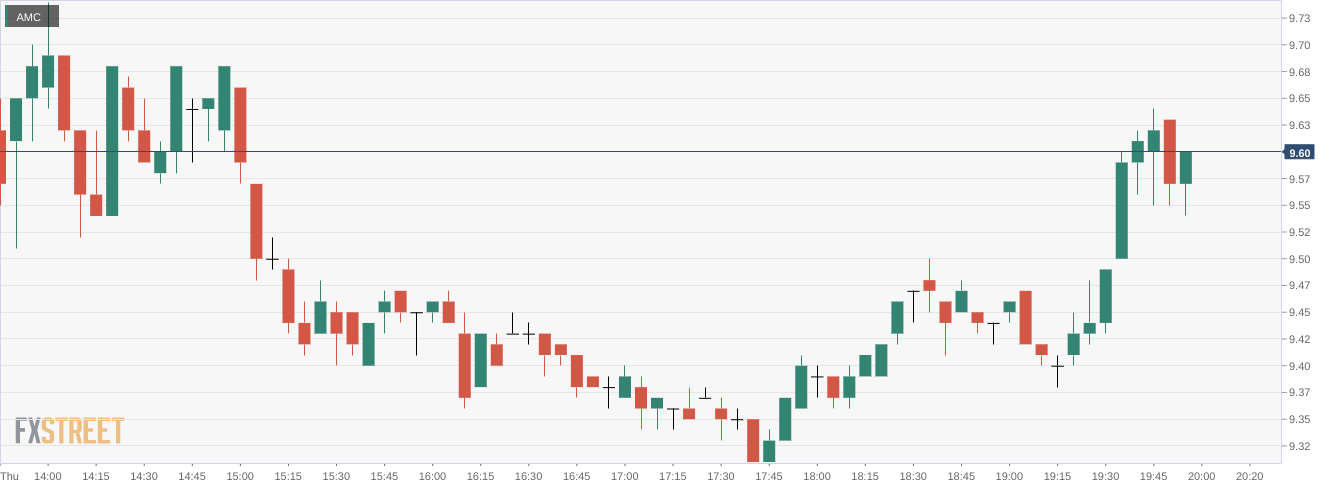
NYSE:AMC inched lower once again despite the broader markets rallying for the second straight day ahead of Fed Chairman Jerome Powell’s speech. On Thursday, shares of AMC fell by 0.10% and closed the trading session at a price of $9.57. Stocks jumped higher into the close as the key Fed Symposium at Jackson Hole got under way. Overall, the Dow Jones added a further 322 basis points, the S&P 500 rose by 1.41%, and the NASDAQ jumped higher by 1.67% during the session.


Stay up to speed with hot stocks' news!


Overall, this summer has been a slow one for theaters, AMC included. The past two weekends have been the slowest at the box office since May, despite the summer historically being one of the busiest times of the year. Theater chains like Regal have been hit hard as its parent company Cineworld (LON:CINE) prepares to file for bankruptcy. Some studios have felt the crunch as well, with Warner Bros Discovery delaying some of its major releases until 2023. Will AMC survive this seasonal lull? Most likely. But it certainly doesn’t lend much confidence in the movie theater industry for the long-term.

AMC stock forecast
AMC Stock

One blast from the past could help theaters regain their swagger. Avatar is being re-released in both 4K and 3D for theaters. Why is James Cameron’s all-time seller coming back to theaters? Because the long-awaited sequel is being released this December, thirteen years after the original was first released. Avatar: The Way of Water is debuting on December 16, 2022, in what should be the box office release of the holiday season.


Like this article? Help us with some feedback by answering this survey:

Author

More from Stocks Reporter
Share:

Editor's Picks

GBP/USD remains slightly bid near 1.3300

GBP/USD now advances marginally and manages to dispute the 1.3300 region on Tuesday. Indeed, Cable regains some balance on the back of the lacklustre performance of the Greenback, all preceding the Fed’s meeting on Wednesday and the BoE’s gathering on Thursday.

EUR/USD recedes from tops, back below 1.1400

EUR/USD manages to set aside part of the recent weakness and clinches decent gains on Tuesday. Indeed, spot keeps the trade below the 1.1400 mark amid acceptable losses in the US Dollar, all following rising optimism of a US-Iran deal and steady caution prior to the FOMC gathering on Wednesday.

Gold bounces on poor US data

Gold remains under marked downside pressure on Tuesday, although the $4,000 zone per troy ounce emerges as a decent support for now. The precious metal’s pullback comes despite the modest losses in the US Dollar in a context of easing geopolitical tensions ahead of the key Fed event on Wednesday.

XRP falls toward $1.00 despite dwindling exchange reserves
Ripple (XRP) continues to trade under increasing pressure on Tuesday. This marks the second consecutive day of declines, reflecting broader risk-off sentiment as investors appear to shift gears in anticipation of the Federal Reserve (Fed) interest rate decision. On Wednesday, the Federal Open Market Committee (FOMC) is widely expected to leave interest rates unchanged in the 3.50%-3.75% range.
Warning signs in the stock market: Is this the top, or just a very short fuse?
Overnight, South Korea's Kospi fell more than 10%, SK Hynix lost close to 15% and Samsung Electronics lost 13%. Into that, Dow Jones Industrial Average futures traded up around 1% on paint and soft drinks, and S&P 500 futures sat roughly flat. An index that absorbs a memory-chip panic and prints nothing is not a calm market.
US Dollar mid-year outlook: Exceptional currency, exceptional risks?
The US Dollar enters the second half of 2026 in a markedly different position from a year ago. The King currency has recovered, reflecting persistent US inflation, changing expectations for Fed policy, geopolitical tensions and renewed demand for defensive assets.