Why the demand for Ethereum is high despite rising gas fees, is it time to buy?
- Ethereum’s weekly median price of Gas hit the highest point in the past six months, wallet address growth continued unaffected.
- Ethereum network’s non-zero addresses exceeded 94 million, the total number of wallets staking ETH on the Beacon chain hit 527,000.
- ETH price yielded 5.6% gains for holders over the past week, with the rise in gas prices and increasing demand for the altcoin.

Ethereum network’s address count increased steadily, with both non-zero addresses and number of wallets that staked ETH on the Beacon chain hitting record highs. The weekly median price of Gas hit a six month high, while demand for ETH among market participants shows no signs of slowing down.
Also read: Here’s why Cardano whales could trigger a massive bullish breakout in ADA
Ethereum gas fees hits six month high, fails to dampen demand
Ethereum’s rising gas fees would be expected to dampen the demand for the altcoin among market participants. Interestingly, that has not been the case on the Ethereum network where demand for the altcoin has not been negatively impacted.
While Ethereum’s weekly median price of gas hit a six-month high of 28.15 Gwei –
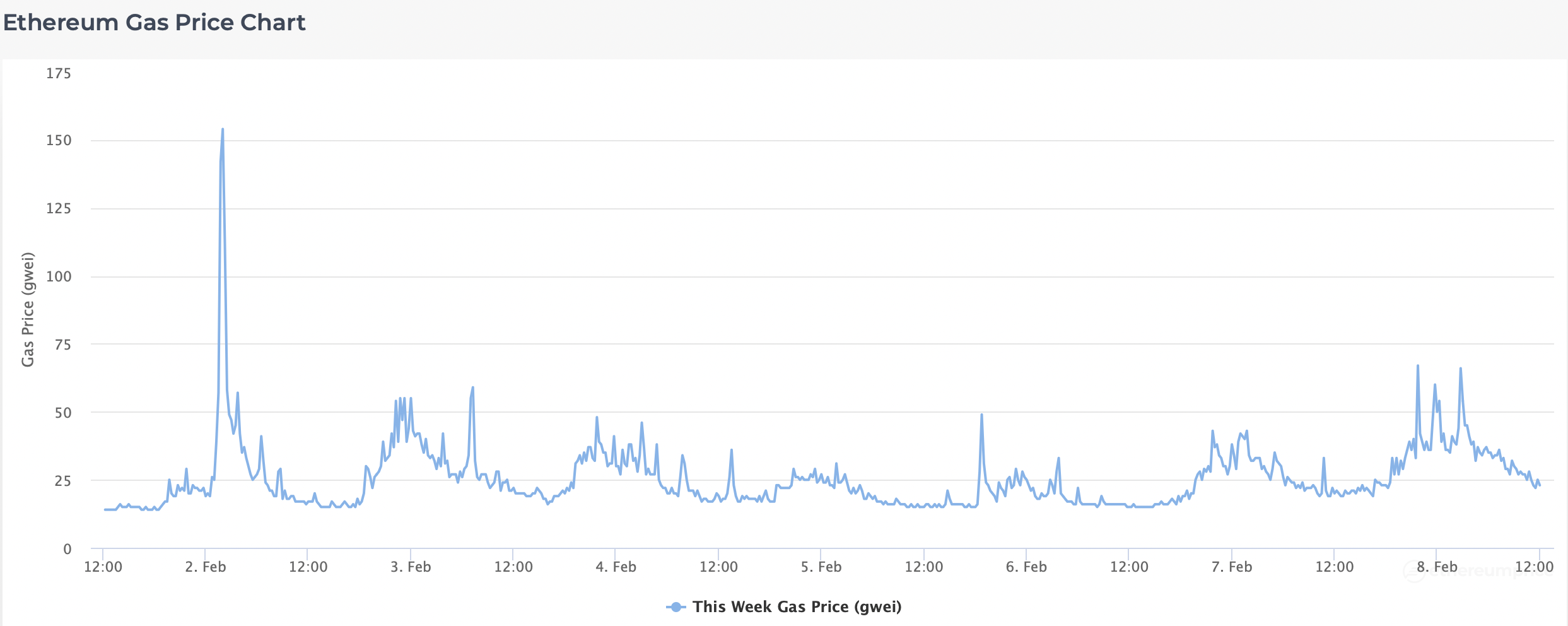
Ethereum Gas Price Chart
The number of non-zero wallet addresses on the Ethereum chain exceeded 94 million. The number of addresses that staked ETH on the ETH2.0 Beacon Chain contract exceeded 527,000. Both developments are milestones for the Ethereum network as they represent record highs.
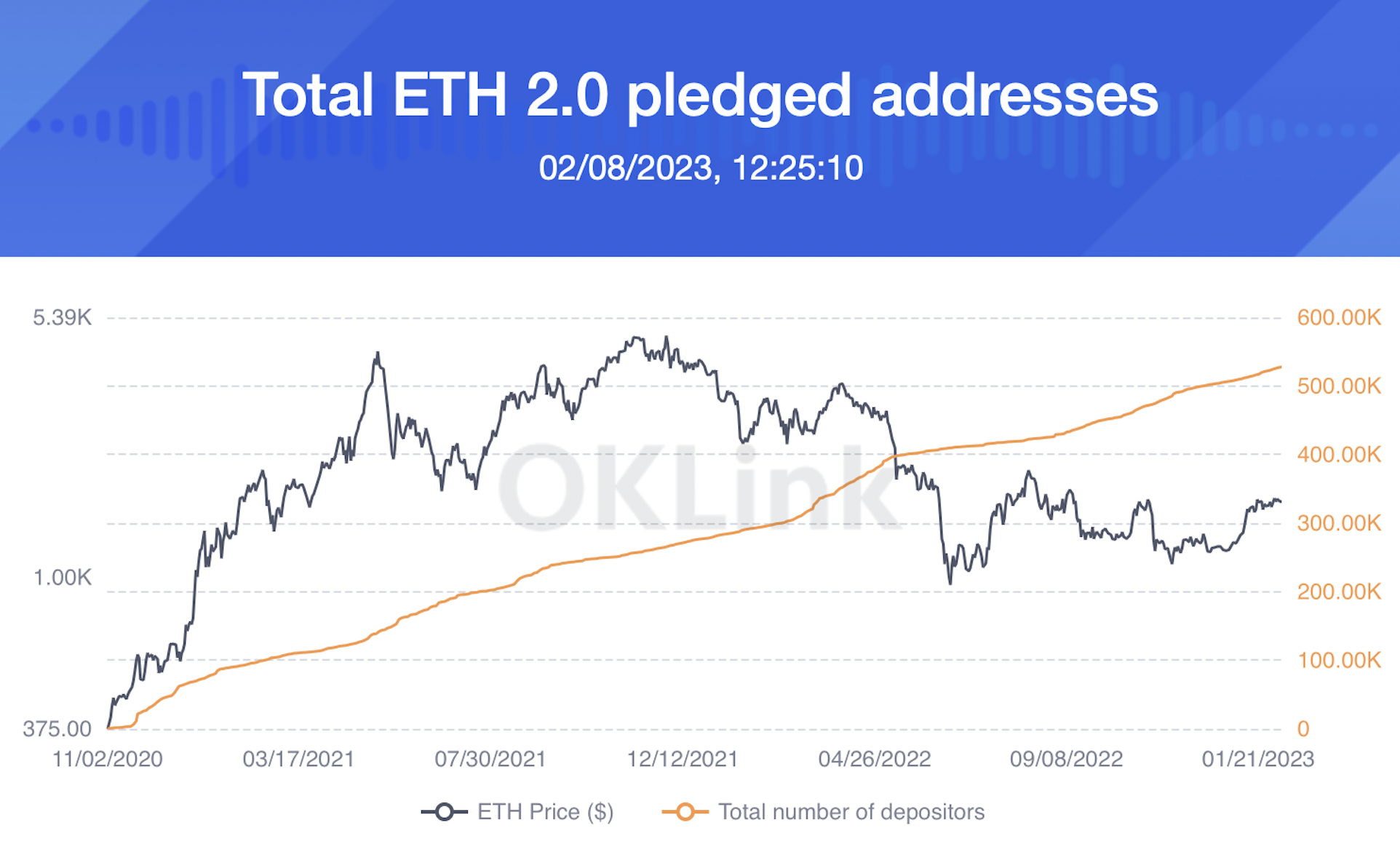
ETH 2.0 addresses that staked Ethereum
Despite the rising gas costs, market participants are generating demand for the altcoin. Ahead of Ethereum’s Shanghai upgrade where staked ETH tokens are unlocked, there is a spike in the number of addresses holding Ethereum. This fuels a bullish narrative for ETH holders, and market participants consider it a good time to buy Ethereum, anticipating a massive price rally in 2023.
The altcoin yielded 30.4% gains for holders since January 9, 2023. Options data reveals an underlying bullish bias among Ethereum traders.
Author

Ekta Mourya
FXStreet
Ekta Mourya has extensive experience in fundamental and on-chain analysis, particularly focused on impact of macroeconomics and central bank policies on cryptocurrencies.