Trump signs executive order for strategic Bitcoin reserve amid market debate
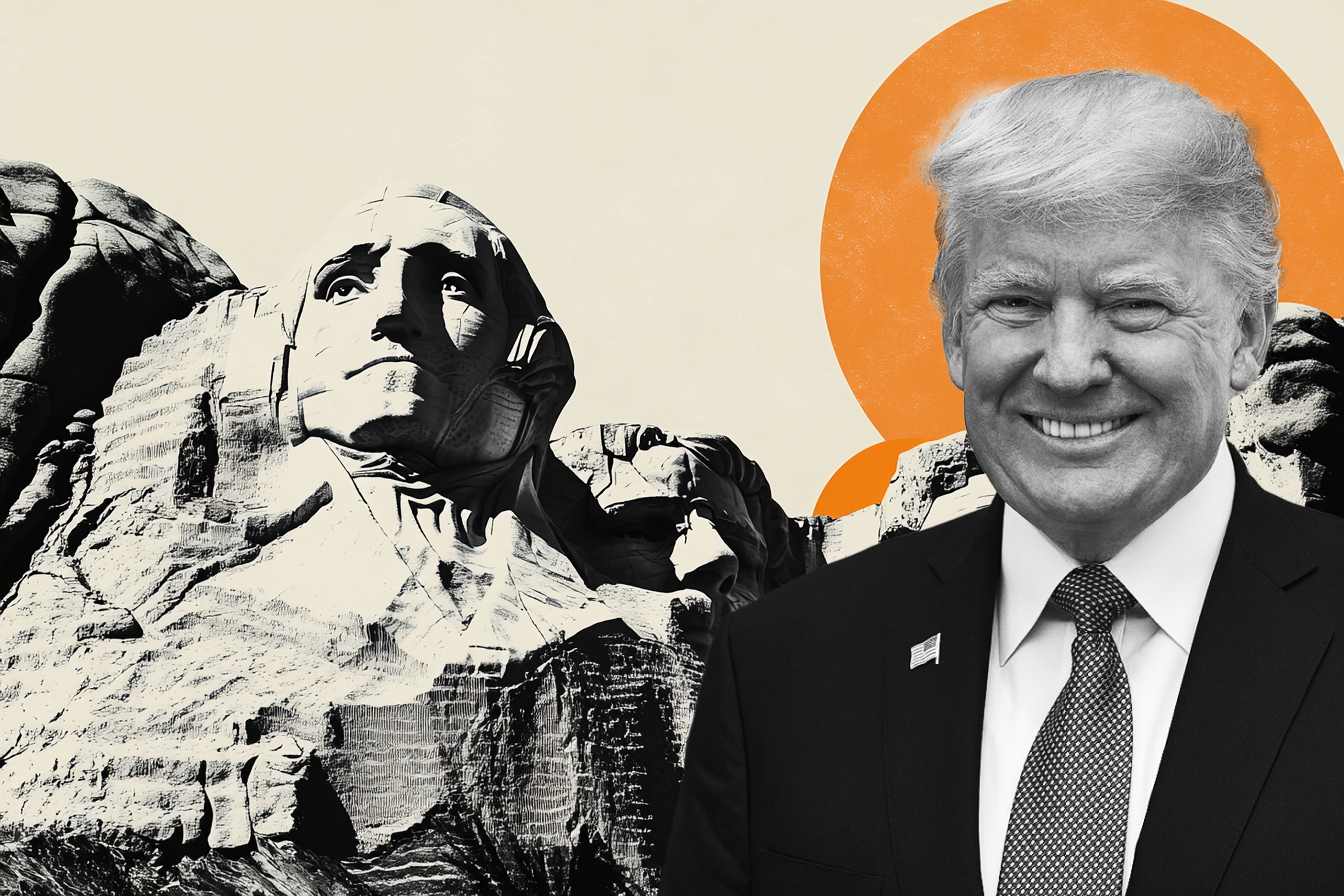
Trump signs an executive order for a Strategic Bitcoin Reserve, using seized BTC to strengthen the US digital asset strategy, amid mixed industry reactions.
Donald Trump recently signed an executive order to create a Strategic Bitcoin Reserve, funded by seized Bitcoin assets, aiming to secure the US’s digital asset future. Critics argue that the order is little more than a rebranding of existing government holdings, with no new acquisitions or significant impact on Bitcoin's market. Supporters, however, believe the initiative will legitimize Bitcoin, influencing global financial strategies and encouraging other nations to follow suit by setting up their own reserves.
The order directs the US Department of Treasury to fund the reserve using Bitcoin obtained from criminal and civil asset forfeiture, ensuring that these assets are not sold. The official order describes Bitcoin as “digital gold,” emphasizing its scarcity and security, particularly its fixed supply of 21 million coins. Currently, the US government holds 198,109 BTC, worth about $17.5 billion at market prices. Despite this, critics argue that a complete audit of the US’s digital asset holdings has never been conducted, though the new order mandates this.
David Sacks, the White House's AI and Crypto Czar, noted that premature Bitcoin sales have already cost US taxpayers over $17 billion in lost value, signaling the need for a more strategic approach. He also mentioned that budget-neutral strategies could be used to acquire more Bitcoin in the future. However, skeptics, such as Jacob King, founder of WhaleWire, dismissed the new initiative, calling it nothing more than a rebranding of a long-standing program. He pointed out that no new Bitcoin purchases would be made, which, according to him, makes the reserve insignificant in the larger market context.
Peter Schiff, a prominent critic of Bitcoin, also weighed in, calling the order a “bogus” attempt to capitalize on Bitcoin already in the government’s possession, driven by political pressures and donor influence. Schiff emphasized that, while the government could keep any more Bitcoin it seizes, it cannot buy additional coins, as purchasing requires payment.
On the other hand, some industry leaders view the move as an important step toward legitimizing Bitcoin globally. Ryan Rasmussen, Head of Research at Bitwise, explained that the order is likely to inspire other nations to acquire Bitcoin, especially as it may push wealth managers, financial institutions, pensions, and endowments to adopt it. Additionally, the reserve will ease concerns about the US potentially selling its Bitcoin holdings, creating a more stable environment for future acquisitions.
Matt Hougan, CIO at Bitwise, agreed, noting that the order reduces the chances of future Bitcoin bans and accelerates the global momentum for other countries to establish similar reserves. Analyst Nic Carter also praised the decision, calling it a successful fulfillment of a key campaign promise. He highlighted that the initiative marks the official approval of Bitcoin by the US government, a distinction not yet given to other cryptocurrencies.
The signing took place one day before the White House Crypto Summit, where many had expected Trump to announce the Bitcoin reserve. The actual signing led to a slight dip in Bitcoin’s value, despite the anticipation and the initial price boost in the run-up to the event.
In summary, while the Strategic Bitcoin Reserve has garnered mixed reactions, its implications for Bitcoin's role in global financial strategies are profound, and the move has sparked debates about the future of the cryptocurrency market.
Author

Jacob Lazurek
Coinpaprika
In the dynamic world of technology and cryptocurrencies, my career trajectory has been deeply rooted in continuous exploration and effective communication.