The US stimulus package is inevitable, and it is good for Bitcoin
- Trump keeps the intrigue with the stimulus package, but investors can wait.
- The consequence of the existing monetary policy will be devastating, but Bitcoin will benefit.

Once again, the US president added some excitement to the market by refusing to discuss the stimulus package until the elections are over. The stock market reacted by a collapse; Bitcoin mostly followed the lead; however, the movement's scale was not significant enough for the markets to hit the panic button.
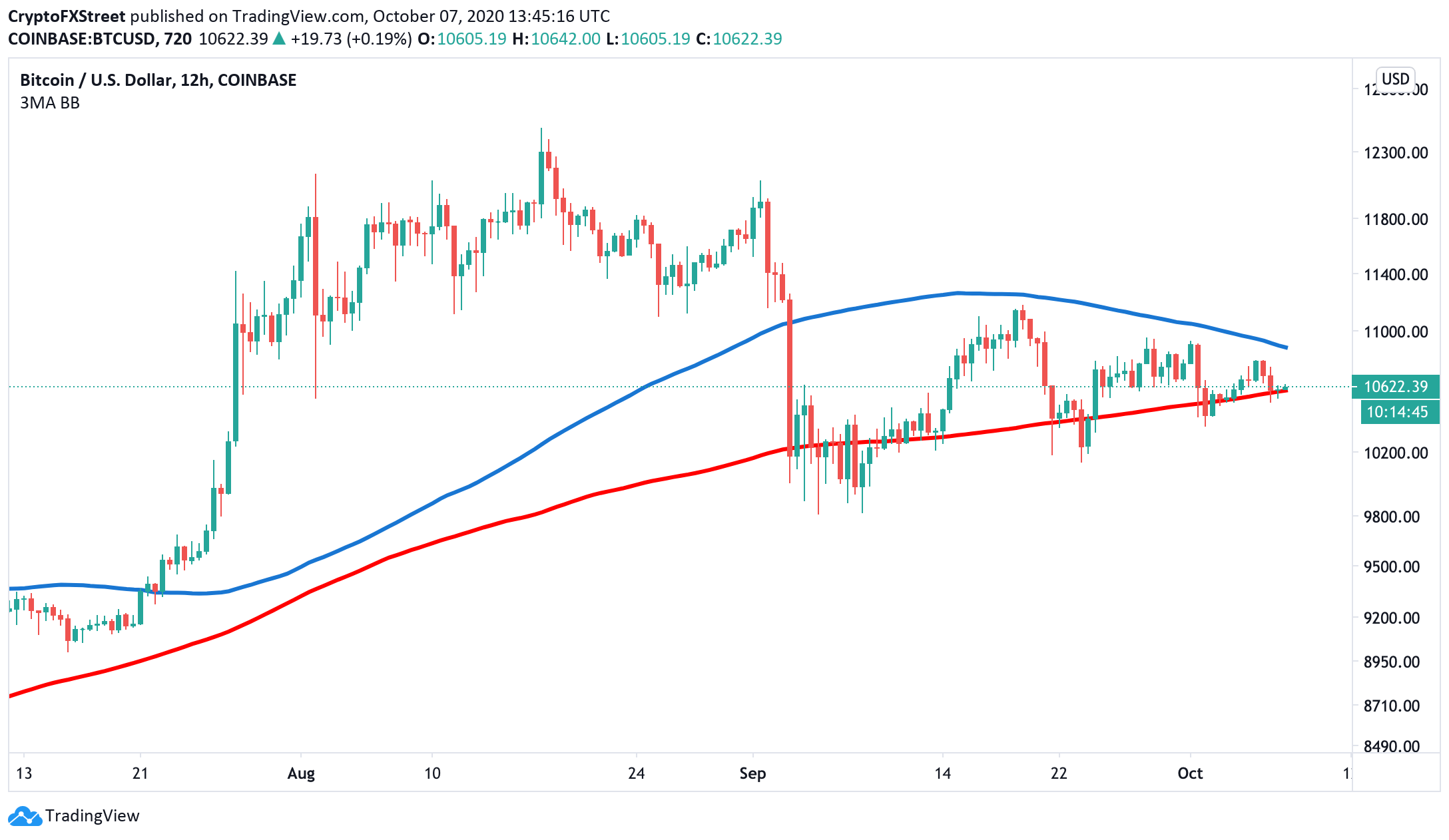
At the time of writing, BTC/USD is changing hands at $10,600, staying close to the lower line of the recent consolidation range. The flagship digital currency has barely changed on a day-to-day basis amid a growing sense of uncertainty.
BTC/USD 12-hour chart
Does it mean that the crypto people do not care about the stimulus anymore? Let's dive deeper into the topic to see if the US fiscal policy might have any impact on the cryptocurrency market.
What will be stimulated
During the previous US stimulus campaign, the cryptocurrency industry was agitated as many trading platforms noticed the inflow of small deposits to the tune of $1,200 - exactly the amount paid out to the Americans as financial support.
As the theory goes, people choose to convert their stimulus checks to digital money to avoid inflationary consequences, inevitably due to the FED's super-accommodative monetary policy.
Consequently, a new checks handouts were expected to support the cryptocurrency market due to several reasons:
- the inflow of new money will increase the trading activity, raise awareness and bring mass adoption a step closer
- the correlation with the stock market will do the trick and throw the price higher due to improved risk sentiments and the desire to hedge against inflation at the same time.
Thus, if the history is repeated, the direct financial help is more likely to stimulate the cryptocurrency economy and speed up the transfer of wealth from fiat to digital assets that cannot be debased by the monetary policies.
It has never happened before, and yet here we go again
According to popular cryptocurrency trader, aka Bitcoin Jack (@BTC_JackSparrow), quantitative easing is nothing new as it has already been implemented on numerous occasions throughout history.
It might have been less aggressive and less elaborate, but the fact remains: after the Great Depression, the authorities tried to buy their way out.
4/ Quantative easing was not invented in this day and age
— //Bitcoin ack (@BTC_JackSparrow) October 7, 2020
Study the past and you will see that similar, perhaps more primitive but similar none the less, policies have been applied
Generally speaking, from what I have read, policy never changed direction until full collapse
During the Depression, the government applied quantitative tightening, which resulted in three years of decline. Now we are in an easing cycle, which isn't going to end well either as S&P500 may be hitting new highs, but in value terms, it is down.
So how do the cryptocurrencies tie in?
To sum it up, the governments will keep on printing money until the system falls apart. The cracks are already obvious as many countries seek alternatives to the US dollar as a reserve currency, while the global investors are moving away from stocks and traditional assets to cryptocurrency.
Considering the limited supply and the decentralized nature of the digital assets, they are likely to become the anchor of the new financial order, like gold, become the one other the Great Depression.
However, at this stage, the Fed and the other central banks are going to add fuel to the fire until this train wrecks.
Author

Tanya Abrosimova
Independent Analyst




