Panama’s Supreme Court to rule on cryptocurrency legislation

The high court will now decide whether to declare the “crypto bill” unenforceable or to approve it with modifications.
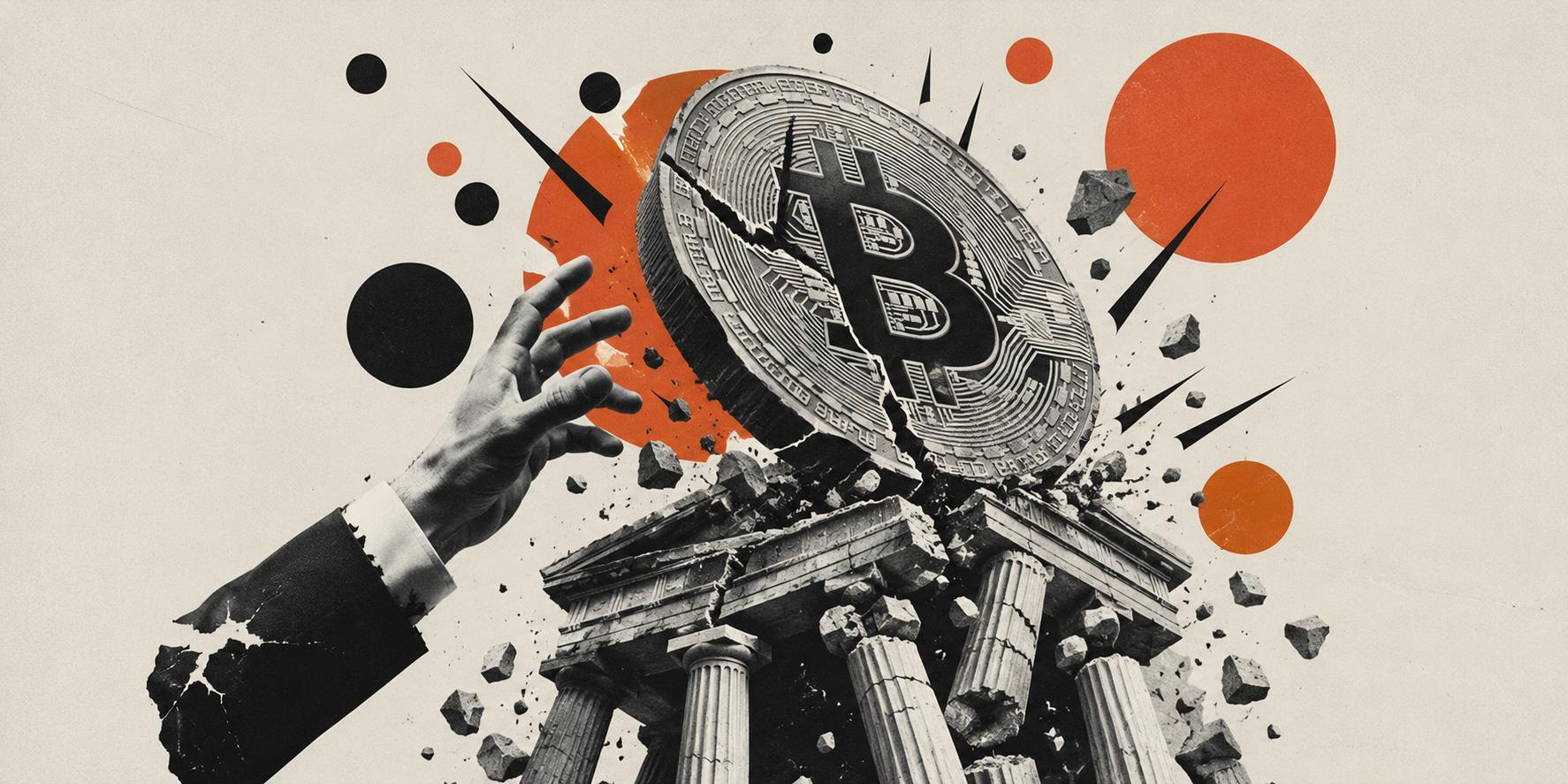
Panama's crypto bill saga has reached a new chapter, with the country’s Supreme Court set to decide the future of the local crypto industry.
Panamanian President Laurentino Cortizo on Jan. 26 sent the crypto legislation passed last year to the high court for review, claiming the so-called “crypto bill” violates the constitution’s core principles and is unenforceable.
The Supreme Court must now decide whether to declare Bill No. 697 unenforceable or to approve it with modifications.
According to an official statement, the president’s office considers articles 34 and 36 of the bill unenforceable because they violate the state’s separation of powers and establish administrative structures within the government.
President Cortizo also argued that the bill had been approved through an inadequate procedure following his partial veto of the legislation in June. At the time, the president argued that the bill needed more work to comply with new regulations recommended by the Financial Action Task Force aimed at improving fiscal transparency and preventing money laundering.
A dispute between Panama's National Assembly and the government has centered on this bill. In April, Panama lawmakers passed a legislative proposal aiming to regulate cryptocurrencies in the country, including Bitcoin. President Cortizo, however, warned a few weeks later that he wouldn’t sign it unless it included additional Anti-Money Laundering (AML) rules.
The bill was introduced in September 2021, aiming to make the country “compatible with the digital economy, blockchain, crypto assets and the internet.” It was moved out of the Economic Affairs Committee on April 21 and approved a few days later.
Based on the legislation, Panamanians “may freely agree on the use of crypto assets, including without limitation Bitcoin and Ethereum” as an alternative payment for “any civil or commercial operation.”
Furthermore, the bill would regulate the tokenization of precious metals and the issuance of digital value. Digitization of identity using blockchain or distributed ledger technology would also be explored by the government’s innovation authority.
Author

Cointelegraph Team
Cointelegraph
We are privileged enough to work with the best and brightest in Bitcoin.