Will the US Dollar keep rising after the Oil war ends?
The US Dollar keeps benefiting from the Iran war, despite the fiscal hole it adds to the United States' troubled budget and the chaos it creates for inflation and monetary policy. How come? And more relevantly, will the Greenback preserve its momentum once the Oil war is over?
Safe haven status is a weird thing
Throughout most of 2025, with the market focus on United States President Donald Trump’s tariffs and his personal battle with the Federal Reserve Chair Jerome Powell, the Greenback seemed to have lost its refugee status. Gold price soared to record highs, and even Silver benefited from diversification. But things began changing at the end of January.
The scenario changed by the end of January. Precious metals plummeted after US President Trump announced his nomination of Kevin Warsh as the next Chair of the Federal Reserve. Right afterward, Trump kick-started the Oil war: Firstly, it took Venezuelan former President Nicolas Maduro and dragged him before the US justice, not before reaching a deal with now President Delcy Rodriguez to take control of Venezuelan Oil. No one saw it coming, but a month later, Trump joined forces with Israel and launched a massive attack on Iran.
Trump aimed to control fossil energies, regardless of what he says about his intentions. But he did not see the consequences coming: higher crude prices and widespread concerns about global inflation picking up.
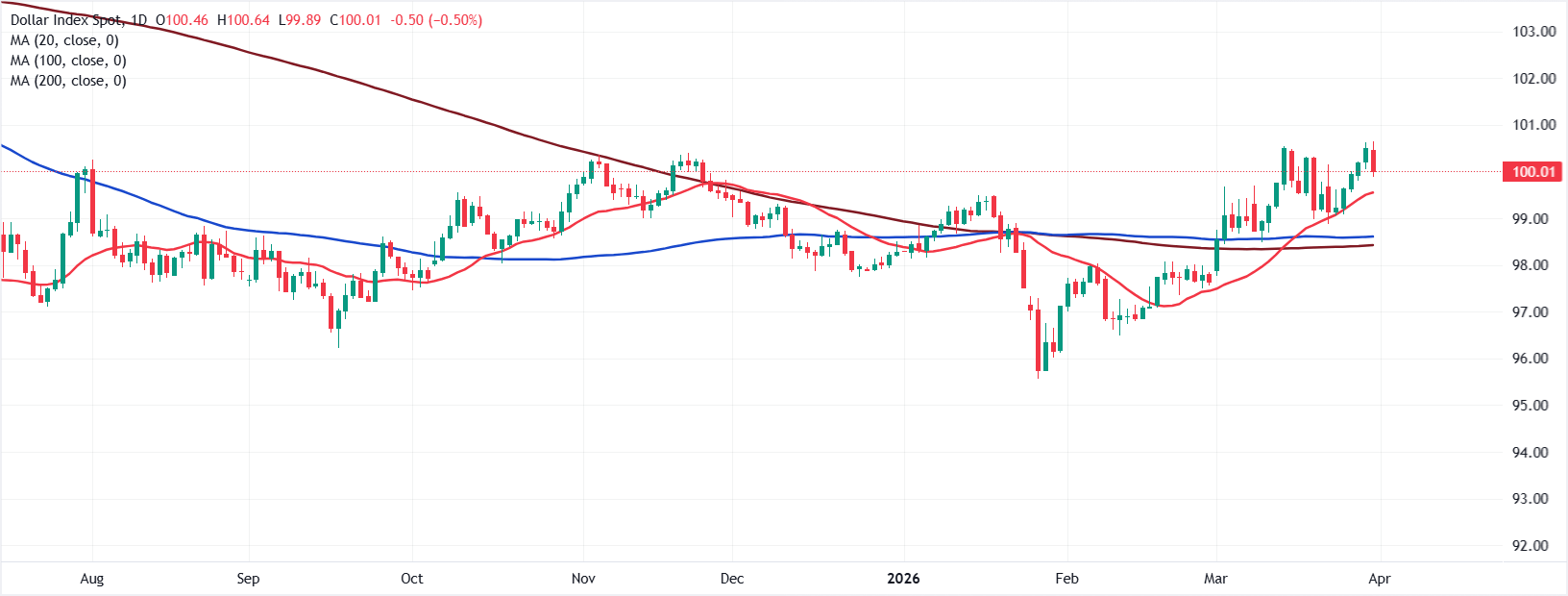
The US Dollar was initially boosted by Warsh headlines, which brought some relief to financial markets. The subsequent USD advance on war-related risk aversion came initially as a surprise, while later fueled by mounting inflation concerns.
The Federal Reserve did not surprise by adopting a hawkish tilt in its March meeting, the same posture all major central banks lean toward. Market players shifted from speculating how many rate cuts it would deliver in 2026 to start betting on rate hikes before year's end.
At this point, the USD is not only benefiting from safe-haven demand amid geopolitical turmoil but also from speculation that the Fed will have no choice but to fight oil-related inflation with rate hikes.
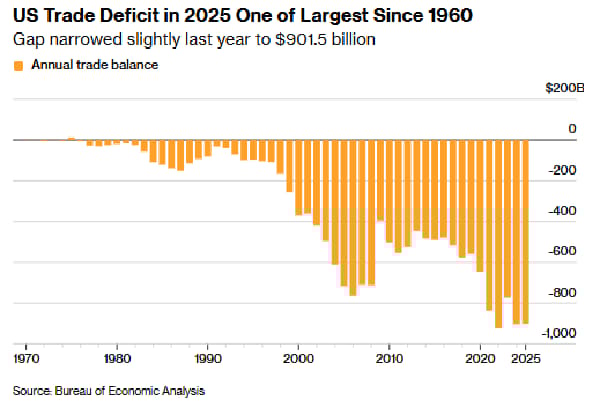
There is, however, a caveat: the US has suffered two government shutdowns in the last few months, and the economy running out of budget is no surprise. The country also faces a massive and sustained trade deficit coming back to the mid-1970s. Fears of a major economic setback hang over the US like a Damocles sword, despite the country always falling on its two feet.
On a positive note, US interest rates are still well above those of peer countries, and the world’s largest economy retains its ability to attract investments, supportive of the local currency.
US Dollar, the forever refugee?
In such a scenario, what will happen with the USD whether the war continues or not? Well, markets are cyclical, that’s no news. The Greenback losing ground throughout 2025 is far from representative of the usual American currency status. The USD is a stable and trustworthy currency, and there’s little that can change that.
US President Trump's unpredictability is, indeed, a major factor, as his unexpected decisions that tend to bypass traditional institutions are a major source of uncertainty, something financial markets hate to deal with. However, US Treasuries are still considered the safest market bet.
So, let’s say the war continues for a couple more months. Demand for safety and mounting speculation that the Fed would have to hike rates will maintain the Greenback on the bullish side.
Let’s go for the best-case scenario: the war ends in a matter of days, and the oil-inflation-related spike is short-lived. Would that be enough to take the USD down? Hardly. Tariffs are likely to maintain the upward pressure on inflation, and there won’t be room for the Fed to become dovish. Best case, the Fed is likely to maintain rates unchanged rather than go for cuts. Hence, the USD may lose its momentum, but not its dominance, as uncertainty will prevail.
At the end of the day, the US Dollar will remain King, at least for the rest of the long life you and I have ahead.
Author

Valeria Bednarik
FXStreet
Valeria Bednarik was born and lives in Buenos Aires, Argentina. Her passion for math and numbers pushed her into studying economics in her younger years.