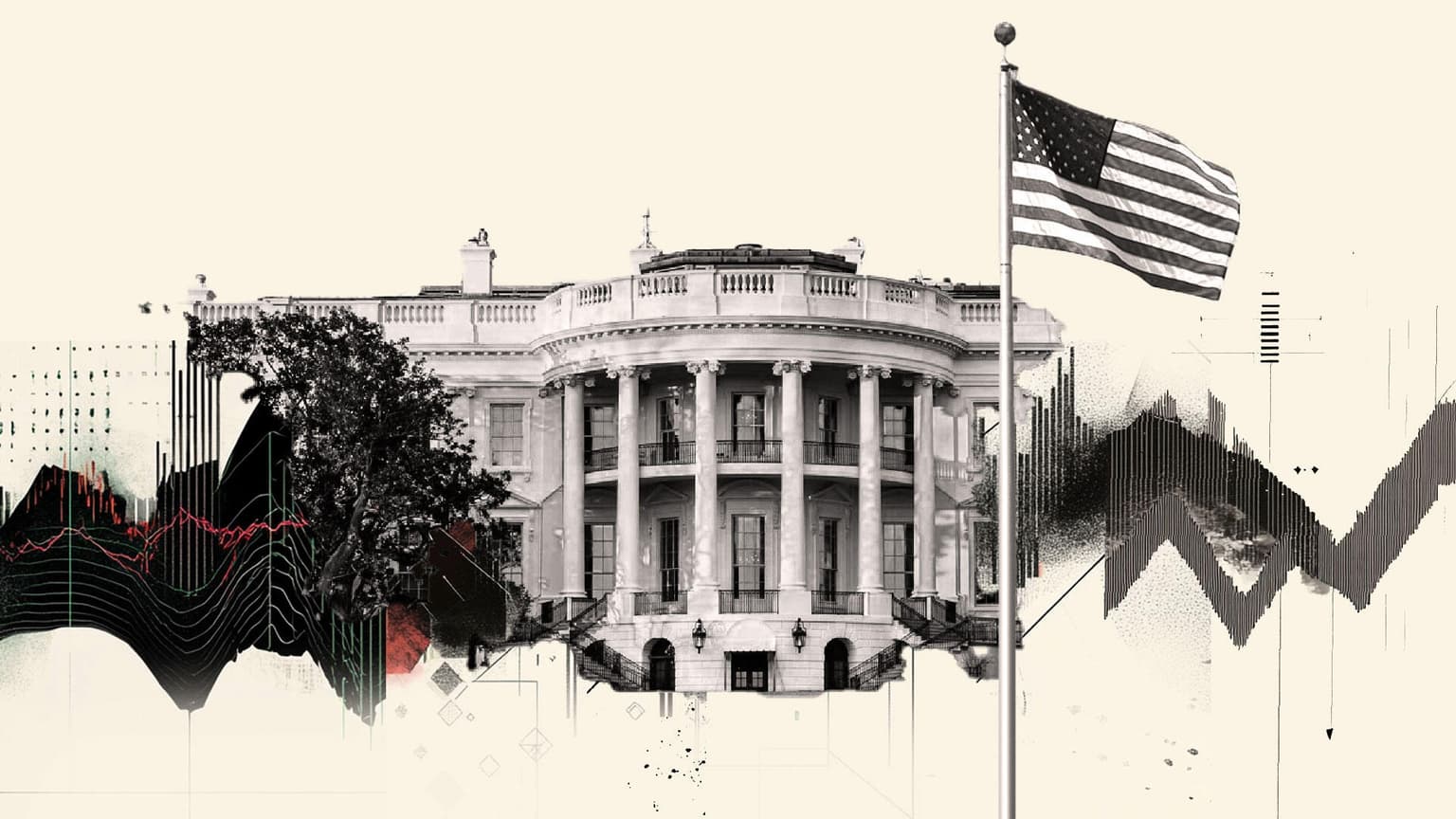
When tariffs become ammunition and capital becomes the battlefield

Capital becomes the battlefield
Markets opened the week like a risk engine hitting a pothole at speed. Equities stepped back, gold vaulted to fresh highs, Treasuries caught a bid, and the dollar, outside of havens, took on a soft bid. This was not a data-driven wobble or a valuation purge. It was a geopolitical shock transmitted straight through positioning.
The initial price action read like a textbook uncertainty trade, a reminder that you can never neatly wrap tariffs in a bow and stuff them in a drawer when Tariff Man( Trump) is in office. US equity futures sagged, led lower by tech; crude slipped; gold and silver surged; and the traditional havens quietly took their seats at the table. The euro and pound softened, the yen and Swiss franc leaned higher, and the dollar reclaimed some footing as the market defaulted to capital preservation. That part was familiar. What was not familiar was the framing.
This time, Trump’s tariff salvo was not floated as a bargaining chip over trade imbalances or market access, setting it apart from earlier TACO episodes. Instead, tariffs were deployed as leverage in a broader strategic contest, with Greenland placed squarely on the board. That distinction matters. Once tariffs are reframed as geopolitical instruments, markets stop asking how big the levy is and start asking what else is now in play. When that door opens, nothing is ring fenced anymore.
The deeper fault line here is not trade flows. It is capital. Europe is not just a trading partner of the United States; it is its largest financier. European institutions sit on a mountain of US bonds and equities, a structural reality that has quietly funded America’s external deficits for years. That arrangement has always relied on a basic assumption of strategic alignment and institutional trust. When that assumption is tested, portfolio behaviour eventually changes.
We have already seen early tremors of that shift. European investors have begun to reassess US exposure at the margin, not out of panic but out of prudence. In a world where geopolitical cohesion within the Western alliance is no longer taken for granted, the willingness to recycle capital indefinitely into US assets becomes less automatic. This is not a short-term liquidation story. It is a slow rebalancing story, and those are far more consequential.
The irony is that pressure from Washington may end up doing what years of internal debate struggled to achieve in Europe. Political cohesion often accelerates under external stress. Defence spending was catalyzed by rhetoric rather than budgets. Financial coordination could follow the same path. Even traditionally euro-skeptic voices have recoiled at the idea of economic coercion tied to sovereignty. Markets should not underestimate how quickly Europe can find unity when pushed.
That is why I am skeptical of the reflexive call that this is unambiguously bearish for the euro. Knee-jerk selling makes sense in the first pass, but sustained downside requires capital flight, not headlines. If anything, the longer term tension highlights a mutual dependence that limits how far this can run in one direction. The US needs foreign capital to suppress yields and keep financial conditions from tightening. Europe knows this. That knowledge is leverage.
This is where the real risk resides. If Europe chooses to move beyond rhetoric and puts capital market measures on the table, even implicitly, the shock would dwarf anything tariffs could achieve. Weaponizing capital flows would strike at the plumbing of global markets rather than the surface level of trade. With the US external balance already stretched, that is not a pressure point to test lightly.
Asia reopened with that cloud of context hanging over it. Equity markets were already on a fragile footing after US stocks rolled over late last week and bond yields pushed higher as rate-cut expectations were trimmed. Add softer Chinese growth optics to the mix, and you have a region that is price-sensitive to any further deterioration in global risk sentiment.
For now, this looks like a classic uncertainty shock layered on top of an already jittery macro backdrop. But beneath the surface, something more structural is brewing. When trade policy morphs into strategic coercion and capital becomes the implicit counterweight, markets are no longer just discounting earnings or inflation. They are repricing trust.
Do not expect a clean return to calm or an easy walk back to business as usual. National security considerations rarely follow the familiar playbook, and the unresolved tensions between the US and Europe have been accumulating quietly for some time. This episode did not create them. It simply dragged them into the open.
Author
Stephen Innes
SPI Asset Management
With more than 25 years of experience, Stephen has a deep-seated knowledge of G10 and Asian currency markets as well as precious metal and oil markets.