Week ahead: FOMC and jobs data in sight
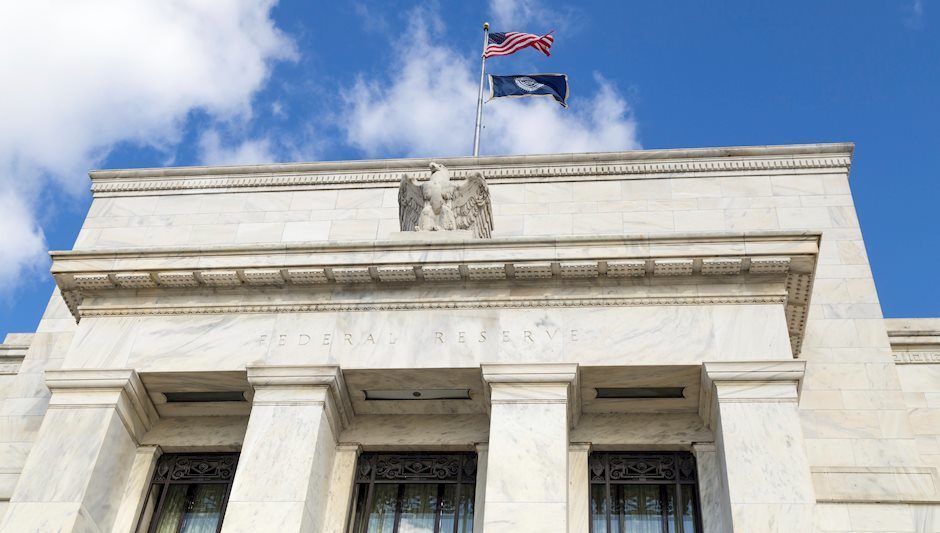

Well, another week has passed, and the prospect of the Fed cutting rates this year is becoming more remote.
Highlights last week include the US GDP first estimate slowing more than expected for Q1 to an annualised rate of 1.6%, far surpassing economists’ estimates of 2.5% and the Atlanta GDPNow model’s estimate of 2.7% real GDP growth for Q1. This also marks the weakest growth since Q2 of 2022. However, published within the same GDP report, Q1 PCE inflation accelerated to the upside, which was bolstered by Friday’s headline PCE data coming in as expected, emphasising sticky inflation, which will be unwelcomed at the Fed.
Where we’re headed
May kicks off with the Federal Open Market Committee (FOMC) meeting and will be one to watch, scheduled to make the airwaves on Wednesday. It’s pretty much a sealed deal for a no-change decision at this week’s meeting, leaving the Fed funds target range at 5.25%-5.50% for a sixth consecutive meeting. Inflation remains sticky and north of the Fed’s 2.0% inflation target; the March CPI and PPI inflation data remain elevated, and PCE inflation (the Fed’s favoured inflation gauge) remains hot (Friday’s headline print rose +2.7%, surpassing expectations of 2.5% and the prior 2.6% reading). Couple this with robust employment growth, and the Fed has no reason to ease policy just yet. You may recall that in the latest meeting minutes, Fed officials communicated that the rate was at its peak and that it would be appropriate to reduce rates if the economy evolved as expected: inflation falling towards the 2.0% target. As of publication, investors have pared rate cut bets to as far back as November’s policy-setting meeting, with a total of 36bps of easing priced in for the year. Ultimately, it is unlikely we’re going to hear anything we have not already at this meeting in the post-Rate Statement and press conference.
Attention, therefore, falls on the European Central Bank (ECB) and the Bank of England (BoE), both of which have also experienced a hawkish repricing recently. A total of 71bps of easing is now priced in for the ECB this year and 44bps for the BoE. Interestingly, according to market pricing, the ECB is projected to step up and cut ahead of both the Fed and BoE, with June’s policy meeting on the table (-21bps), while August’s policy meeting remains possible for the BoE. With that in mind, attention will be on this week’s euro area flash inflation data for April and Q1 GDP numbers. Economists’ estimates suggest headline YoY inflation will remain unchanged at 2.4% – since December’s (2023) +2.9% rise, we have seen inflationary pressures subside in 2024 – and core inflation is expected to cool slightly to 2.8% in the twelve months to April, down from 2.9% in March. Ultimately, GDP is expected to remain pretty much flat both on a YoY and QoQ basis; should inflation data come in lower than consensus, this could provide an opportunity for EUR bears this week. The EUR/USD currency pair faded a key resistance level on the daily timeframe on Friday, engulfing Thursday’s upside and throwing the possibility of refreshing YTD lows in the hat.
We also have a busy week for US jobs data. ADP employment numbers are up on Wednesday; albeit not the best of indicators, it can be market-moving if a marked deviation is seen in the data. Wednesday also welcomes the JOLTs number, along with the employment sub-index out of the ISM manufacturing data. The US Employment Situation Report for April will also be widely watched on Friday. The median estimate, according to Bloomberg’s current poll, is for 250,000 new payrolls to have been created in the month of April, down from March’s 303,000 upside surprise print. The current estimate range is between 280,000 and 190,000, and the average estimate falls just under 235,000. The unemployment rate is expected to remain unchanged at 3.8%, and average hourly earnings – both MoM and YoY – are forecast to also remain unchanged at 0.3% and 4.1%, respectively. With markets already expecting employment growth to slow rather considerably, for USD shorts to make an appearance on the back of this number, they will likely want to see a print nearer the lower end of 200,000; anything near or close to the lower estimate would likely fuel USD shorts and a dovish repricing in rates. The move would be amplified if softer-than-expected wage growth were seen alongside the number and unemployment increased.
G10 FX (five-day change):

Author
Aaron Hill
FP Markets
After completing his Bachelor’s degree in English and Creative Writing in the UK, and subsequently spending a handful of years teaching English as a foreign language teacher around Asia, Aaron was introduced to financial trading,