US FOMC Minutes Preview: How worried was the Fed on March 15?
- The minutes of the Fed’s second emergency meeting in March.
- Central bank announced a $700 billion bond purchase program.
- Turning point in the credit and currency markets.
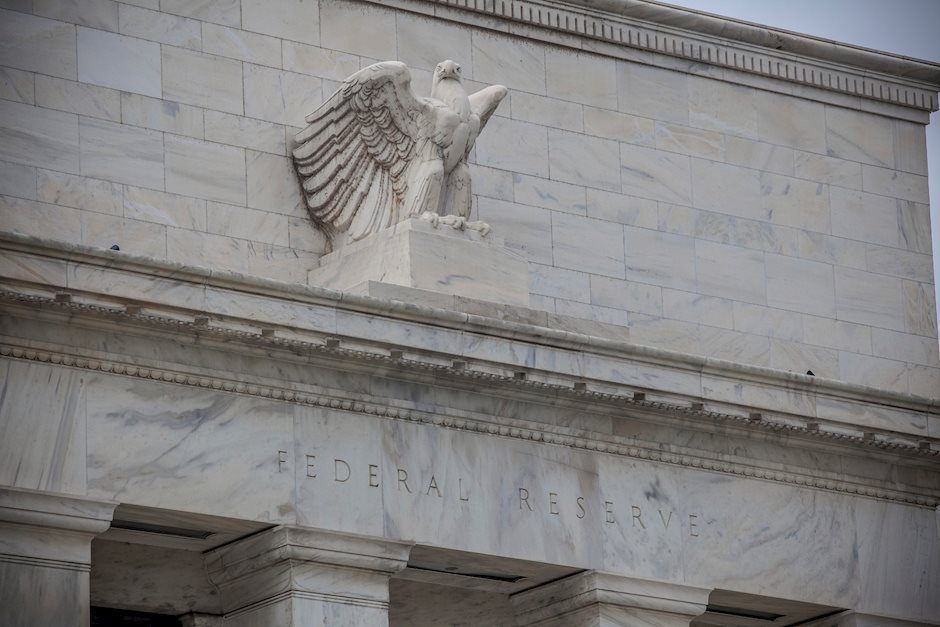

Minutes of the Federal Reserve Open Market Committee offer an edited peak into the concerns and deliberations of the governors. As part of official communications they normally provide only minor details on the discussions of current policy.
The minutes of the unscheduled FOMC meeting on March 15th may give that rare glimpse behind the headlines to see what was motivating the central bank at its second emergency meeting that month.
March emergency
At the prior meeting on March 3 the FOMC cut the fed funds rate by 0.5%, from 1.5%-1.75% to 1.0% to 1.25%.
In early March the virus impact on US had yet to evolve into the economic catastrophe that it so quickly became. Even so the rate cut was targeted at the health threat.
“The fundamentals of the U.S. economy remain strong. However, the coronavirus poses evolving risks to economic activity,” noted the first two lines of the brief statement.
Twelve days later things must have looked very different to the governors. At the meeting on Sunday March 15 the governors cut the fed funds rate 100 basis points, one percent to 0%-0.25%, effectively zero. They also opened quantitative easing on a massive scale, $700 billion in total purchases, $200 billion of mortgage-backed-securities and $500 billion of Treasuries. Amounts that have been subsequently augmented.
Global financial rout
These actions came after the Fed had already set up increased swap lines with the ECB, the Bank of Japan and the Bank of England to help defray the tremendous demand for dollars as the Coronavirus triggered panic in equity and financial markets around the globe. Those lines were expanded to other central banks on the 19th, including among others Brazil, Mexico, Denmark and Sweden.
In the second sentence of its statement on the 15th the FOMC the governors said, “Global financial conditions have also been significantly affected.”
Indeed. What were the liquidity conditions in the world’s financial markets that prompted these extraordinary interventions?
From the close on March 9 to close on March 19 the euro lost 6.2% against the US dollar, the Japanese yen sank 7.4%, the sterling 12.1% and the Canadian dollar dropped 6.2%.
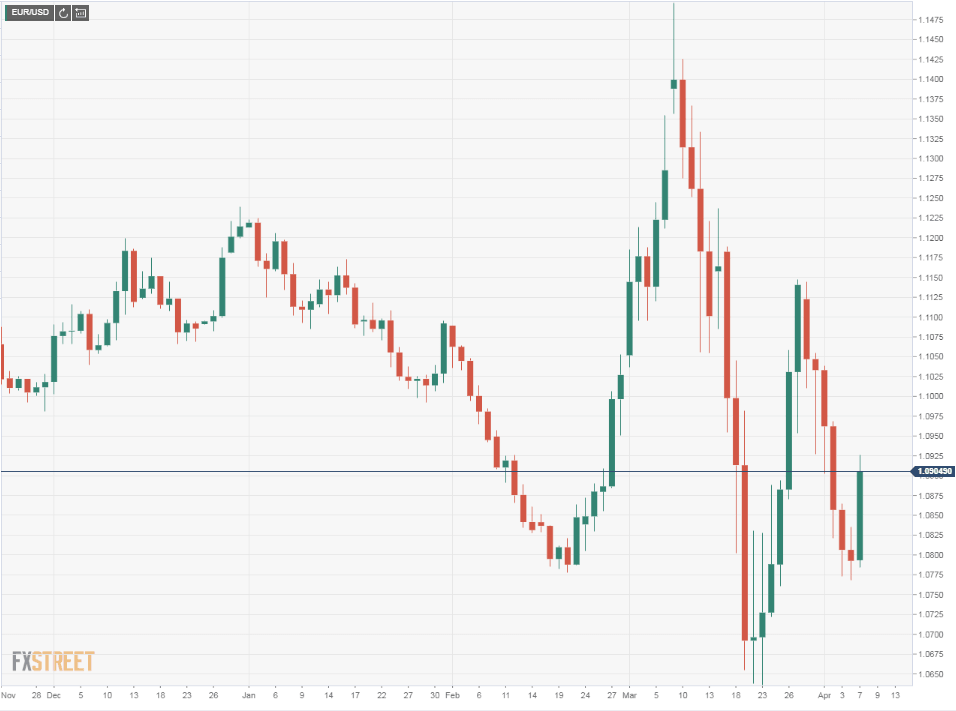
Severe strains in many of the world’s underlying money and credit markets in the first part of March were largely buried news items in a media dominated by the equity collapse and the onset of the Coronavirus
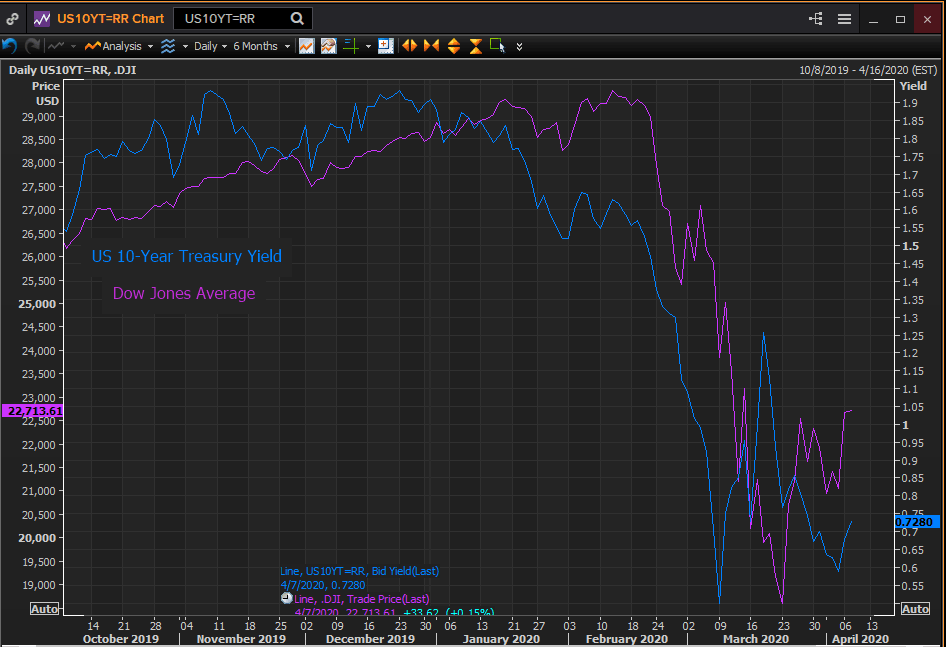
But the Dow did not reach its low until March 23. The record low in the yield on the US 10-year Treasury at 0.498% came on March 9 six days before the emergency meeting on that Sunday.
Reuters
The Fed was halfway through that panic spree of dollar purchases when it decided to act in advance of the markets’ open on Monday March 16. Did the bank have notice or suspect a brewing financial collapse?
Because banks and financial institutions are not at the center of this viral economic crisis and because they are, in most countries, immeasurably stronger than they were in the last crisis the difficulties of the monetary markets have not excited nearly as much interest or concern as a decade ago. But there is little doubt the crisis there, if left unattended would have exacted a far greater toll of misery had the financial system blown through its guardrails.
It will be interesting to see what sense of drama, if any, comes through the bureaucratic phrasing of the FOMC minutes.
It would also be interesting to know what the governors intended to do with of the Fed balance sheet which thanks to their actions that Sunday was about to explode higher. It is now at $5.8 trillion larger than at any point in the financial crisis and its aftermath.
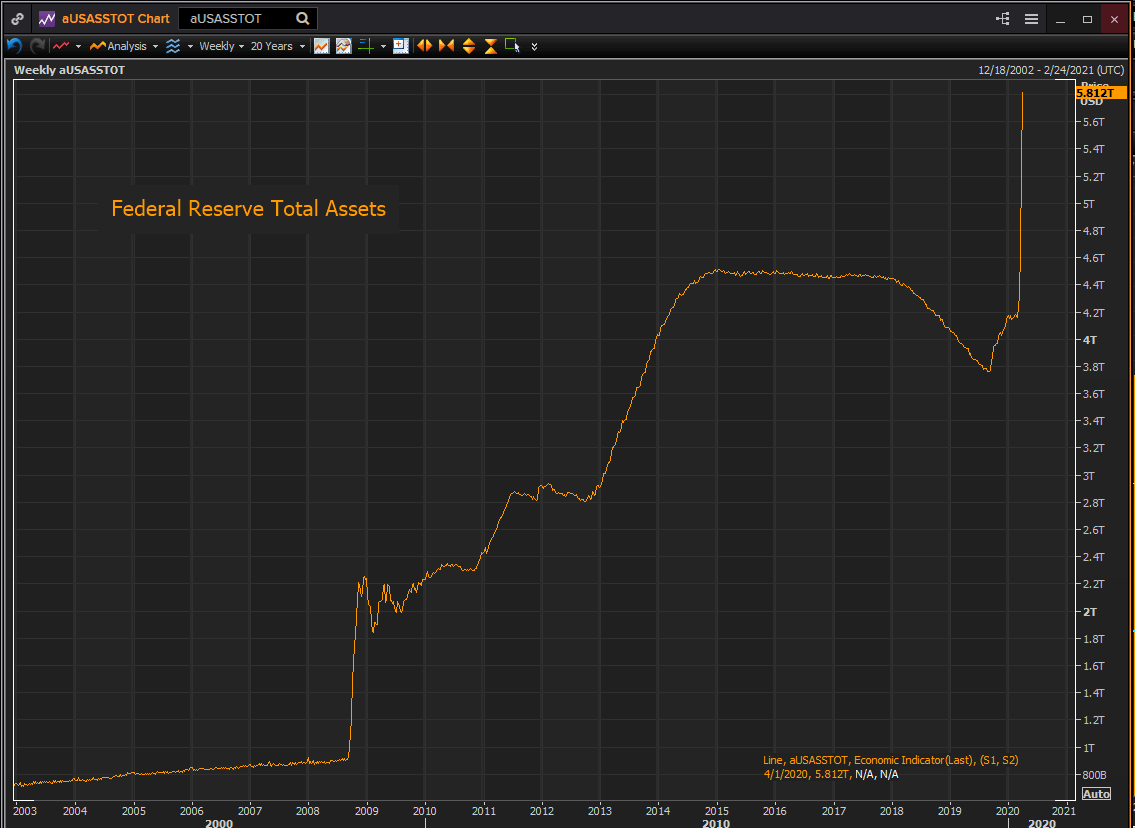
The currency, credit and equity markets have moved on from that mid-March inflection point but in retrospect it may have been the turning point in this crisis.
Author
Joseph Trevisani
FXStreet
Joseph Trevisani began his thirty-year career in the financial markets at Credit Suisse in New York and Singapore where he worked for 12 years as an interbank currency trader and trading desk manager.