Trump Tariffs: Everything you need to know on “Liberation Day”
- US President Donald Trump is set to announce "reciprocal tariffs" after markets close.
- Speculation is rife about the magnitude scope of levies.
- There are five key things to watch.
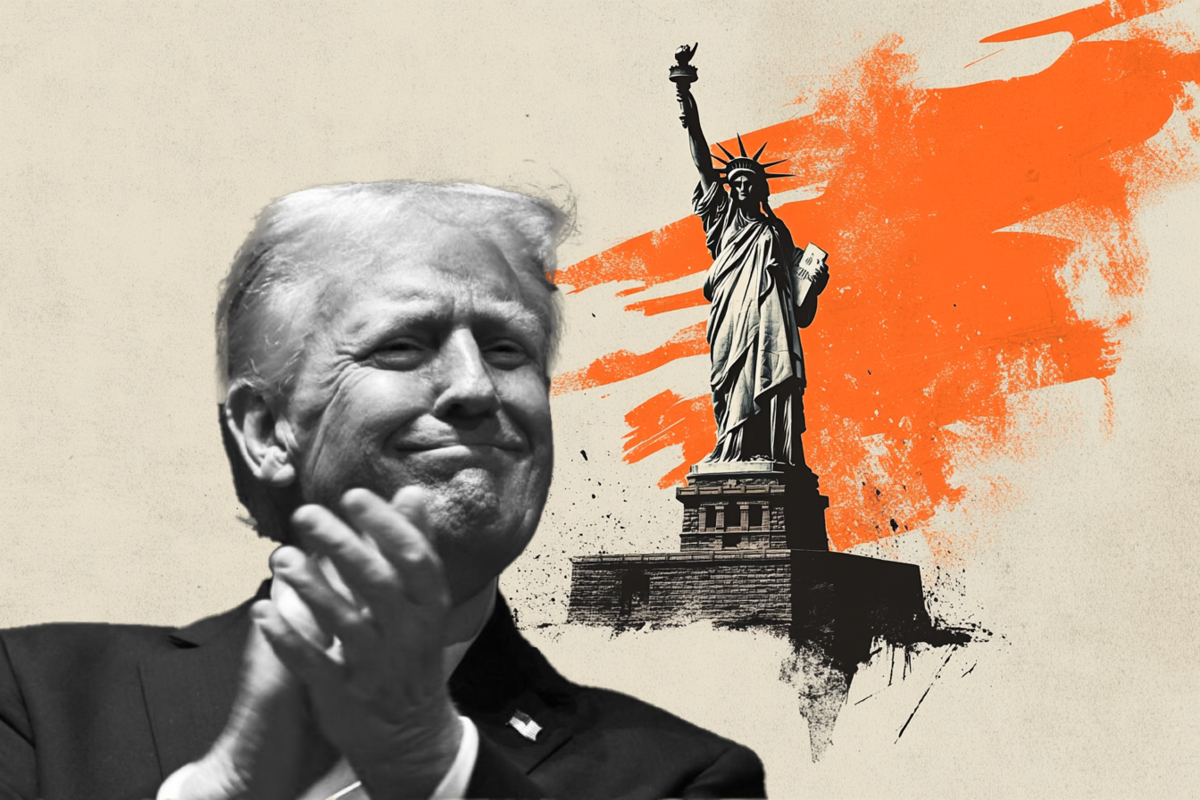

The global trading system is about to be upended, but to what extent? Will markets have clarity or is it merely another phase in ongoing trade wars? Some answers are due on Wednesday at 20:00 GMT. Here is preview of the five critical things to watch.
D-Day for global trade, and speculation is rife
US President Donald Trump is set to announce major tariffs on imports, and uncertainty is sky high. Reports from various media outlets suggest the decisions have yet to be finalized, with a plethora of options on the table. The “Liberation Day” proclamation is due at 16:00 Eastern time / 20:00 GMT, just as markets close in America. Perhaps the only clarity from the White House is that these measures are set to come into effect immediately. Companies have no time to prepare.
Trump’s primary goal seems to be boosting America’s manufacturing base, reducing its reliance on other countries. That is a long-term objective.
Manufacturing employment never recovered from the Great Financial Crisis

Why it matters for everybody
The tide is turning – it is a globalized world, which means growth depends on the flow of goods and services across borders. Cars, medicine and electronics are often assembled with components made elsewhere. Increasing costs on imports means massive changes for companies and consumers, impacting Stocks, commodities and currencies. It is hard to exaggerate the impact of tariffs. Uncertainty is another factor in the market reaction.
Markets are now focused on the impact duties will have on growth, not inflation. That is expressed in the bond market, where 10-year Treasury yields have fallen some 25 bps since the elections, more than 40 pips since the inauguration and 60 since the peak.

Five things to watch:
1 20%? The initial reaction depends on the headline. The Washington Post suggested one option is a flat and global 20% tariff on everything. If Trump announces anything below that threshold, markets would breathe a sigh of relief. A duty of more than that would trigger a downfall.
2 Broad or specific levies? While an indiscriminate rate would make things simple, it would hurt a wider array of goods, weighing on sentiment. A country or sector-specific policy would imply that Trump takes various needs into account.
3 Can they go down? Another option, floated by Treasury Secretary Scott Bessent, is that after the US slaps high duties, countries could offer concessions to the US for a lower rate. That would provide some hope to markets, as it would show that current policy is the maximum – that the worst is already hear.
4 Punishing countries working together? Various countries vowed to retaliate against America once the tariffs are enacted. Trump may warn that any counter-measures would be met with additional US levies. That would not be surprising. However, he already mused about a further step: hitting Canada and the EU if they collaborate on trade. Such “secondary tariffs” would be even worse. If he repeats that, market sentiment would deteriorate even more.
5 Will there be another announcement? When announcing car tariffs, Trump said these 25% duties would come into effect on April 3, to coincide with today’s new reciprocal tariffs. In addition, levies on car parts would only enter into effect May 3. If he announces a date for a “Liberation Day Sequel,” things could get worse. As mentioned earlier, markets hate uncertainty, and refraining from such statements would take one issue off the table.
Final thoughts
OK, I hear the question: what do you expect? I’m pessimistic.
The timing of the announcement was changed from 15:00 to 16:00 Eastern—to just after markets close. I suspect the White House believes investors will not like what they hear. By releasing the news later, US investors will have time to digest it.
Trump tariffs so far:

This content was originally published in FXStreet's Orange Juice newsletter. Sign up here, it's free.
Premium
You have reached your limit of 3 free articles for this month.
Start your subscription and get access to all our original articles.
Author
Yohay Elam
FXStreet
Yohay is in Forex since 2008 when he founded Forex Crunch, a blog crafted in his free time that turned into a fully-fledged currency website later sold to Finixio.