The UK formally triggers Article 50, EU response awaited
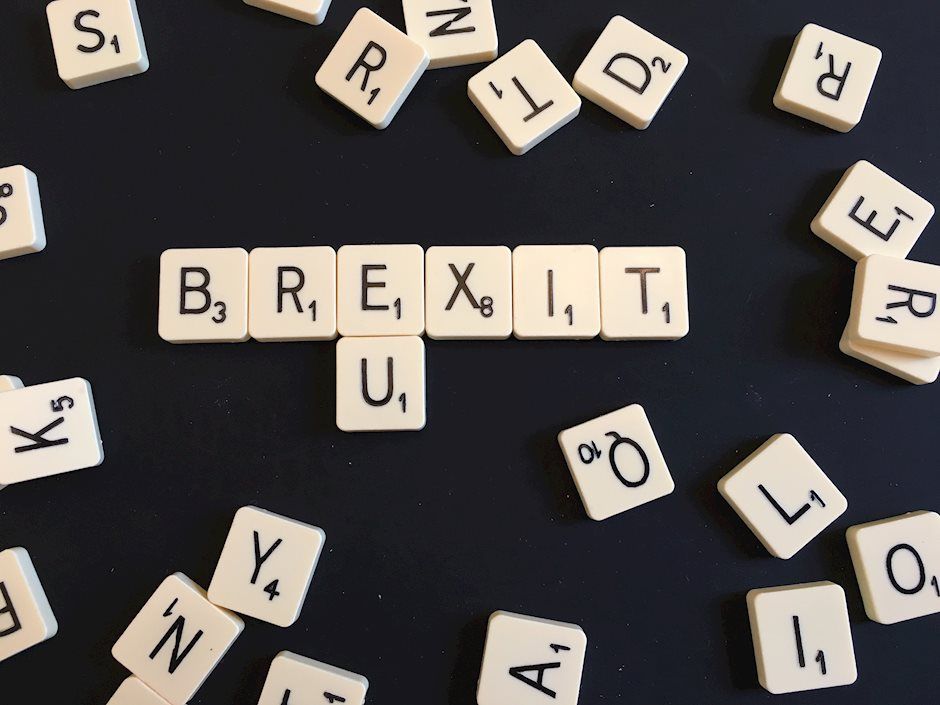

The British government triggered Article 50 of the Lisbon treaty after the Brexit bill was passed into law the week before and receiving the Royal Assent. Signing the letter on late Thursday, the move comes close to nine months after the UK voted to leave the EU.
The Article 50 letter that was signed on late Thursday was handed over to the president of the European Council, Donald Tusk, by the Sir Tim Barrow, the UK's permanent representative at the EU.
The foreign secretary, Boris Johnson called it "a magnificent moment" while MP's were jubilant as the PM announced that "the Article 50 process is now under way."
The UK is bracing itself for some tough talk from the EU, which was witnessed even before the Article 50 was triggered. France and Germany refused to begin trade talks with Britain until a "divorce bill" was paid. The UK Prime Minister Theresa May responded by threatening to withdraw cooperation with the EU on security.
The European Council president, Donald Tusk said that the 27 members of the European Union are expected to meet in Brussels on April 29 to adopt the Brexit guidelines.
Speaking via Twitter, he said that the meeting would provide more clarity for everyone involved. The EC president said that the draft copy of the EU's negotiating position would be sent to all 27 member states.
Mr. Tusk commented that the EU 27 would not pursue a punitive approach calling Brexit itself to be punitive enough.
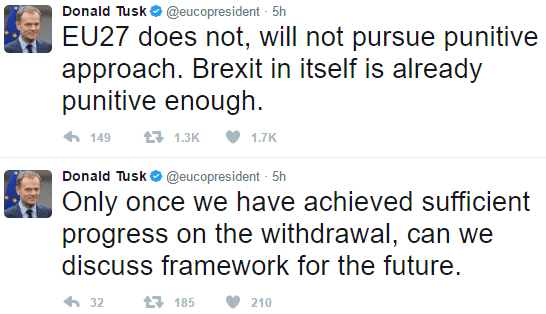
European Council President Donald Tusk on Brexit (@eucopresident)
Scotland bid for a second independence referendum rejected
Nicola Sturgeon, Scotland's First Minister on Friday officially requested the UK government to grant a new Scottish independence referendum.
The requestwas made after the British Prime Minister signed the Article 50 letter on late Thursday, formally triggering the exit negotiations with the EU. The letter was handed over the UK government on Friday.
The Scottish First Minister made the formal request to open the talks on a "Section 30" order to facilitate the referendum. In the letter, Sturgeon said that after the UK's Brexit vote and the decision to leave the EU, she said that Scotland should be given a choice in choosing its path.
The request to hold a second independence referendum comes after the Scottish parliament voted 69 - 59 to seek permission from the UK government to hold another referendum on independence. The Scottish National Party (SNP) and the Greens party were backing the referendum.
Ms. Sturgeon, in her letter, urged on the PM May that there was "no rational reason" for the PM to stand in the way of the will of the Scottish Parliament. Ms. Sturgeon also said that her preferred timetable for the referendum was held within 18-months.
The UK government has prevented further talks on the Scottish referendum from progressing saying that the Scottish independence referendum was ill-time, noting that the government must focus all its efforts on securing the best possible Brexit deal.
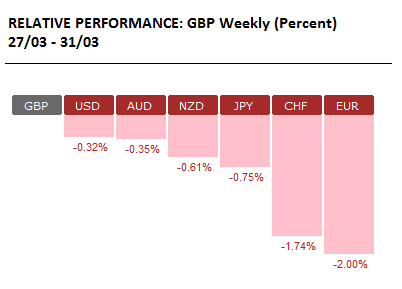
The British pound breezed through this week, although the currency was trading mostly mixed but managed to come out on the tops by the week’s close. The biggest gains came from EURGBP which fell over 2% during the week, followed by the Swiss franc.
Author
Orbex Team
Orbex