S&P 500 Weekly Forecast: Bulls may struggle below 3,400, eyes on the rising bearish wedge
- S&P500 gained 1.5% on the week, but greater uncertainties could be problematic for the bulls this week.
- Technically, the price is stalling within a rising bearish wedge formation.
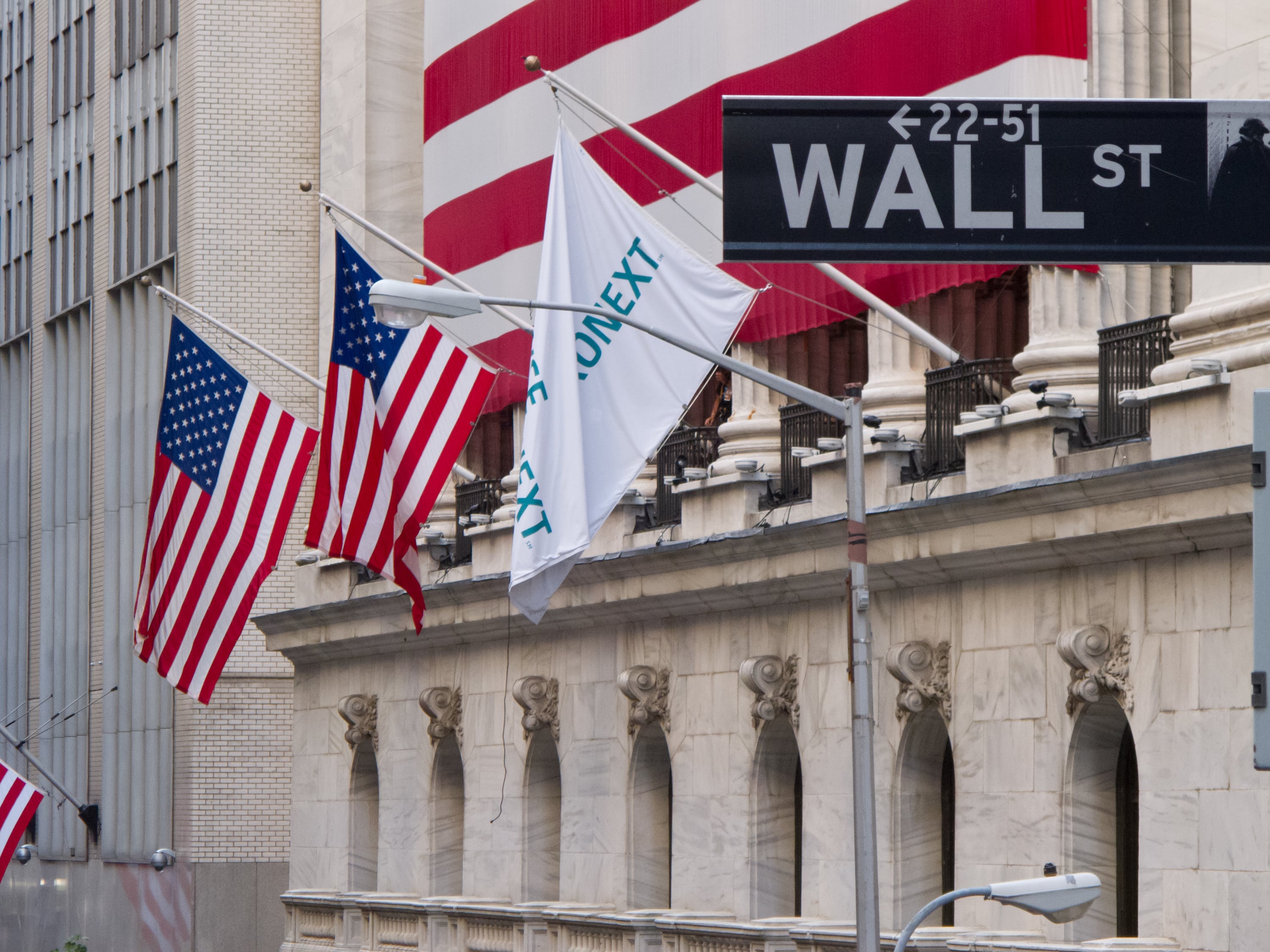
US stocks will be a high up on the list of intermarket analysis for the week ahead following a close lower on Friday as news that US President Donald Trump tested positive for COVID-19.
The news emerged late Thursday so this impacted the markets on Friday’s session, where otherwise, Nonfarm Payrolls would have been taking the limelight instead.
However, there was little evidence of panic in price action, perhaps as it is presumed the US President will recover fairly quickly and that his ballot will not be withdrawn from the forthcoming US elections on November 3rd.
Tech shares weighed heaviest on the indexes, but the blue-chip Dow's losses were mitigated by gains in economically sensitive cyclical stocks.
Despite Friday's sell-off, the S&P500 gained 1.5% on the week.
However, there is still a tail-risk that Trump does not recover quickly and markets will be vulnerable to headlines throughout the next week or two.
In other news, the US House Speaker Nancy Pelosi and Treasury Secretary Steven Mnuchin ended the week without a fresh coronavirus aid package but there have been some signs that the sense of urgency from the top.
OUR GREAT USA WANTS & NEEDS STIMULUS. WORK TOGETHER AND GET IT DONE. Thank you!
— Donald J. Trump (@realDonaldTrump) October 3, 2020
On Friday, the jobs report showed US employment growth slowed more than expected in September, and over 300,000 Americans lost their jobs permanently which really does put the emphasis on the Democrats and Republicans reaching a fiscal relief deal.
Democrats have proposed a $2.2 trillion relief package which was subsequently approved by the Democratic-majority House of Representatives.
However, the Republican-run Senate will not see it through. Trump's team has offered a smaller $1.6 trillion package.
Prior to Trump's hospitalization, Senate Majority Leader Mitch McConnell seemed cautiously optimistic the two sides are working toward a middle ground deal. "I think we're closer to getting an outcome," he said on October 2.
"We are making progress," House Speaker Nancy Pelosi said on Sunday, stressing the need to agree on the larger implications of a stimulus bill to "crush the virus."
If the two sides do somehow manage to reach an agreement, it could take a week or more before it comes up for a vote.
As we get closer to the US Election Day the time grows short for Congress to agree on a bill and then for Trump to sign it for checks to arrive before Election Day.
On the other hand, if negotiations fail, with Trump's medical condition still under review, how likely is he to pursue unilateral action at this point?
It is looking increasingly likely that talks may have to resume after the election but before the presidential inauguration on Jan. 20, 2021.
US stocks are not going to like that.
So, this week could be time for the bulls to take a rain check, wait and see how Trump's recovery progresses and how the ongoing negotiation efforts play out.
S&P 500 technical analysis
Moving down to the charts, there has been bullish momentum building within a rising channel.
The price is above the 21 and 50 4-hour moving averages and bullish cross.
So long as the price continues to respect the channel, there is an upside target in the 3,400s.
On the downside, a break of the channel opens prospects for an extended breakout if the bears can clear support around 3280.
-637374394738626023.png)
Daily chart
-637374395806219330.png)
This rising wedge is bearish and the daily chart offers prospects of a sizeable downside move, reversing the prior bull trend.
Daily volume can be monitored on any meanwhile daily candles to the upside. Bears will want to see the volume decline as the wedge continues to evolve for signs that the bulls are trying.
If volume increases, however, on the downside test of the support line, this can be taken as bearish confirmation.
At this juncture, we have not seen a higher low following the higher highs which is a compelling factor for the bears.
Author

Ross J Burland
FXStreet
Ross J Burland, born in England, UK, is a sportsman at heart. He played Rugby and Judo for his county, Kent and the South East of England Rugby team.