The deeper consequences of Greenland may not be top of the headlines, but are simmering under the surface

US PCE inflation looks okay and pretty much as expected, but lurking under the numbers are two problems—first, it’s lousy data, combining Oct and Nov but missing a lot of information because of the government shutdown and heaven only knows what manner of distortions. Second, you can’t say the consumer is spending as usual when half of it is going to healthcare and utilities.
The world wanted to see inflation okay so that’s what they got, including a shove of the dollar to the downside. But more careful observers note it’s not all that rosy. Mish, for example, shows real income (real disposable income) minus real spending is putting the US consumer in deeper debt. See the clever chart. Real spending higher than real income started in April 2025, an interesting date.
Unless something interesting happens with regard to Greenland—the Europeans are meeting to craft a policy—we are back to the unlucky guy who gets named to replace Fed chair Powell and today’s US PMI, plus how firm is the stock market recovery. Expect bubble talk to start up again any minute.
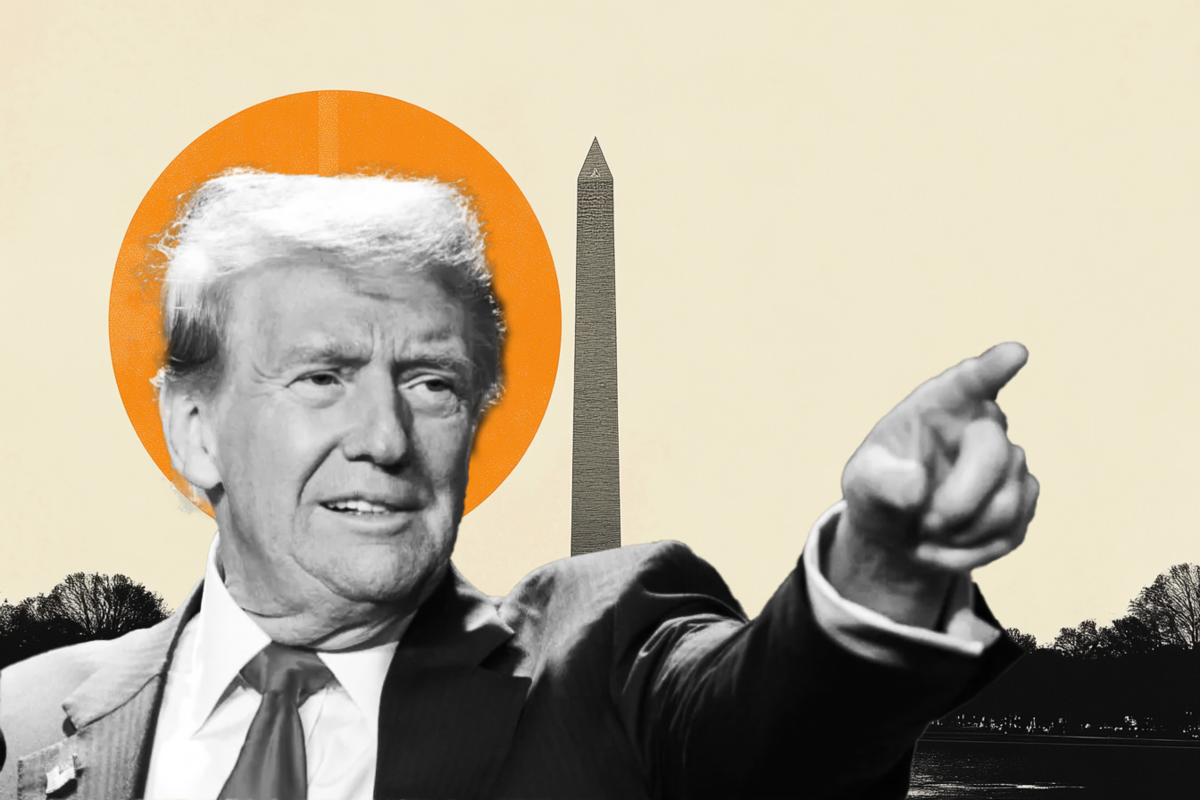
The deeper consequences of Greenland may not be top of the headlines, but are simmering under the surface. A few deductions are troubling. We know Trump lies, but now we know the lies include making a trade deal and then changing it at the last minute. The trade deal with the EU was all but done. Now everyone knows, if they didn’t before, that he will change any deal, any time, signed agreement or not. Americans knew he is lawless but now even pro-Trump leaders will not be making any deals, trade or otherwise, with this crook.
This is a resumption of the “sell America” wave. But hold your horses. Reuters reports “The Bank for International Settlements on Thursday released new research examining the dollar's global dominance and its use in global bond markets. Documenting three dollarisation waves since the 1960s, it concludes that there have been no monotonic dollarisation or de-dollarisation trends per se. Instead, dollar usage has exhibited a wavelike pattern.”
The BIS report is at https://www.bis.org/publ/bppdf/bispap165.pdf. One of the authors is one of our favorites, Eswar Prasad. We haven’t read it in full yet—it’s 47 pages and just came out—but as far as we can tell, it will sink like a rock unnoticed because it says nothing controversial. The dollar trades in waves. No kidding. The review of the published commentary of the dollar might be interesting.
Heer is something that stands out:
In summary, the BIS-compiled data do not support assertions of a long-term rise or decline of either the dollar or the euro in this crucial area of global finance. At the same time, it is clear that prospects of the euro rivalling the dollar have faded.
Sometimes BIS papers make a splash and sometimes they don’t. We will see what this one does. At the least, it’s a warning not to overstate the demise of the dollar or the hegemon, Trump notwithstanding.
Forecast
We are still not trusting of the dollar’s fall (or the euro’s rise). The charts are not definitive and have conflicting indicators. Worse, they are reversing abnormally fast. This is a function of sentiment running haywire—alternating panic and euphoria. It’s a bad time to be a trend-follower. Shorter-term day traders are probably doing better.
In the background and sometimes intruding into the foreground is the potential for another Trump-generated crisis. The Greenland issue was not actually resolved, just postponed. His “board of peace” is not real and just political, and probably a ploy for the Nobel peace prize. As noted before, he is going to do it again. He just loves the spotlight (and keeping it off Epstein and murderous conduct by ICE in Minnesota). . As we wrote yesterday, Cuba is on the agenda. The WSJ headline is “The U.S. Is Actively Seeking Regime Change in Cuba by the End of the Year.”
Why does political stuff like this deserve to be in a forecast of FX? Because Shocks are legitimate market-movers, like the time the Fed changed rates without warning under Greenspan and literally pushed several bond houses into bankruptcy. And the crisis of 2008 started with bad rating agency ratings of subprime mortgages in the US and went on to wreck more than one bank in the UK and the entire economy of Iceland.
Pre-Trump, Shocks like these were few and far between. With Trump, we can expect small shocks, medium-sized shocks, and full-blown Shocks. Threatening to invade Greenland was one of big ones and the market response was justified. The big worry is that he does it again, somewhere.
This is an excerpt from “The Rockefeller Morning Briefing,” which is far larger (about 10 pages). The Briefing has been published every day for over 25 years and represents experienced analysis and insight. The report offers deep background and is not intended to guide FX trading. Rockefeller produces other reports (in spot and futures) for trading purposes.
To get a two-week trial of the full reports plus traders advice for only $3.95. Click here!
Author
Barbara Rockefeller
Rockefeller Treasury Services, Inc.
Experience Before founding Rockefeller Treasury, Barbara worked at Citibank and other banks as a risk manager, new product developer (Cititrend), FX trader, advisor and loan officer. Miss Rockefeller is engaged to perform FX-relat