The day Ueda ruined the mood

December is finally here. Last month ended on a positive note – with a solid reversal of the early-November losses on one single bet: that the Federal Reserve (Fed) would cut interest rates in December. US traders came back from their Thanksgiving break to a market paralysed by a tech issue on Friday, but the problem was quickly resolved, trading resumed and the S&P 500 closed both the week – and the month – just a few points below an ATH. The November dip only shaved about 5% off the index, and those losses have almost been fully recovered. European stocks outperformed thanks to their lower exposure to tech – the major driver of the recent rallies, but also a potential major driver of any future meltdown. Gold, Bitcoin, US Treasuries – everything rallied last week.
But worries persist that the Fed may be rushing toward a rate cut without solid data in hand, and that valuations have run ahead of themselves. Those concerns will only grow if the Fed cuts and the rally continues into year-end. The Q ratio, which measures the market value of a company or the overall stock market relative to the replacement cost of its assets, hit an ATH last month, as well. In plain English: we are living incredibly exciting times with AI – but also facing very expensive stock prices compared with the real, physical value of companies’ assets.
This week starts on a rather miserable note – perhaps the return from Thanksgiving is less cheerful than expected. Shoppers in the US spent almost $12bn during the shopping festival, up around 4%, but once you strip out the roughly 3% inflation rate, the real growth is modest – which is actually good news. It suggests that consumers are spending more carefully, price pressures may ease and the Fed could cut rates more confidently.
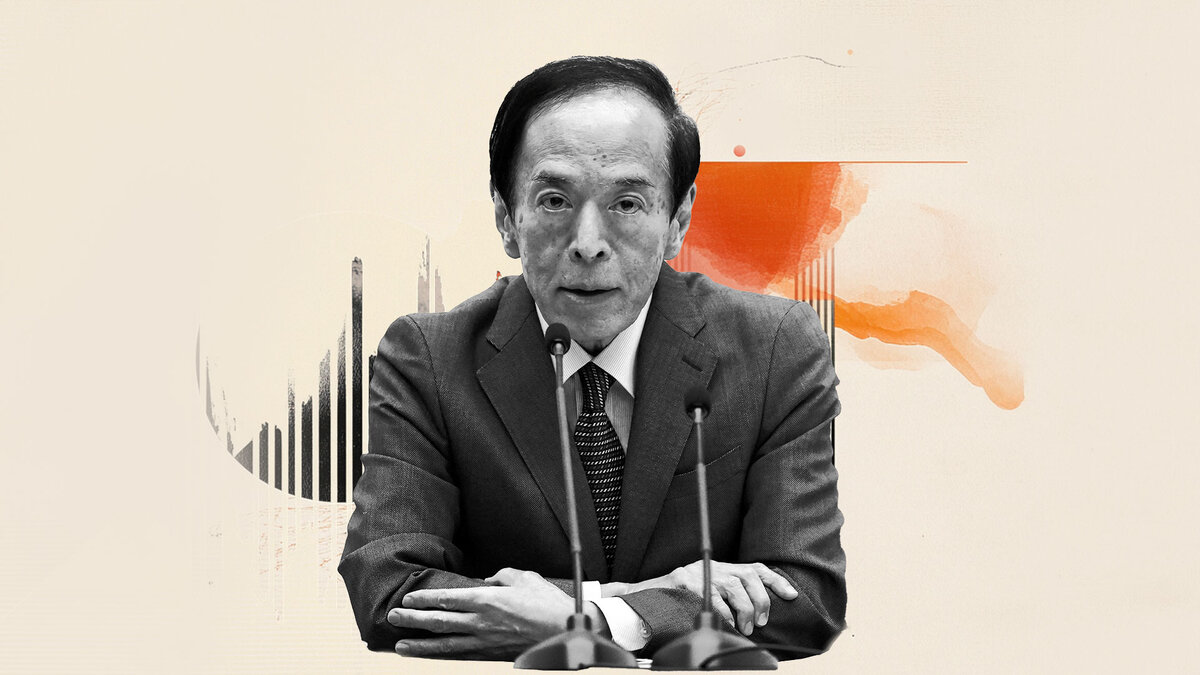
But risk appetite – judging from the price action in the Nikkei and Bitcoin – doesn’t look great. And one man is largely responsible for that: Kazuo Ueda, the head of the Bank of Japan (BoJ), who said today that the bank “will consider the pros and cons of raising the policy interest rate and make decisions as appropriate” and that “any hike would merely be an adjustment in the degree of easing.” In other words, they remain far behind the curve, and normalization is calling – even more loudly as Takaichi’s policy measures risk pushing Japan’s inflation even higher.
The result is a bloodbath in Japanese assets. The Nikkei is down nearly 2% this morning on rising bets that the BoJ will hike at the next meeting – despite soft PMI data. The Japanese 10-year yield is at a fresh multi-decade high near 1.87% this morning, which is very high relative to the 1.71% level often referenced as the point at which Japan’s era of “free liquidity” effectively ends. Around $3.4 trillion circulates in global markets from Japanese investors seeking higher returns abroad – capital that could simply be repatriated as domestic yields rise.
From an economist’s perspective, hiking interest rates – and counterbalancing Takaichi’s fiscal push – is exactly what the BoJ should be doing. This is why central banks exist: to offset politically motivated, growth-at-all-costs fiscal impulses. BUT if the BoJ hikes, Japanese yields will rise, and Japanese capital could leave a significant hole in the global financial system at a time when everyone is wondering whether we haven’t pushed the AI-driven rally too far.
This is why US 10-year yields jumped at the weekly open – that, and of course the ballooning US debt, which should theoretically push the Fed toward the same kind of thinking as their Japanese counterparts.
So, December could prove more challenging than many expected – especially for those who thought last month’s 5% dip was the long-awaited correction. With Fed funds futures pricing nearly a 90% chance of a 25bp cut, there isn’t much room left for additional dovish fuel.
On the contrary, incoming data could warn that a premature Fed rate cut that ignores inflation risks won’t be the answer. So pray: pray for this week’s PCE and inflation-expectations data to look soft enough to keep dovish expectations alive. Traders are also watching gold and the Swiss franc – both potential beneficiaries if the selloff deepens.
Potentially not helping sentiment: US crude is up more than 2% this morning as OPEC reiterated yesterday that they want to stabilise oil prices into next year, implying tighter control of output to address the supply glut that has weighed on prices – except during brief periods of geopolitical tension. And even those tensions haven’t been enough lately to bring buyers back, which shows how much oil is currently sloshing around the planet. As discussed in previous reports, OPEC alone can’t reverse the broader negative price dynamic, but it can help put a floor under the latest selloff. WTI is testing $60pb this morning, but prices need to climb above $65pb for the technicals to confirm an end to the bearish trend.
Author
Ipek Ozkardeskaya
Swissquote Bank Ltd
Ipek Ozkardeskaya began her financial career in 2010 in the structured products desk of the Swiss Banque Cantonale Vaudoise. She worked in HSBC Private Bank in Geneva in relation to high and ultra-high-net-worth clients.

















