The art of trade war and the two schools of thought
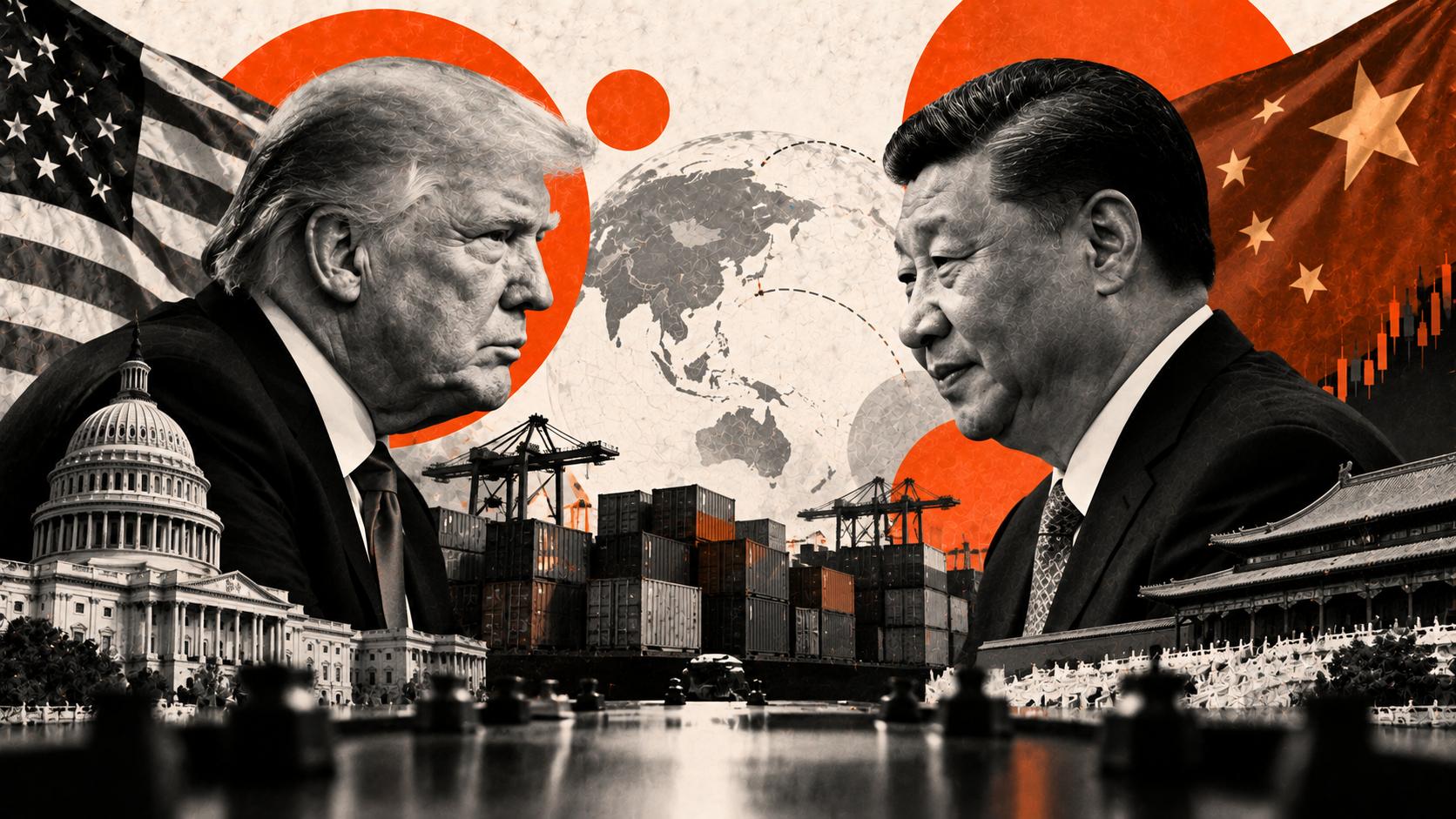
There are two schools of thought regarding this latest iteration of the U.S.-China trade war, and traders need to hedge accordingly. Of course, there is the ugly perspective school of thought where President Trump adheres to his campaign promise and imposes a 60% tariff on China, but right now, that seems less likely.
The slow boil tariff rollout
This is the high-stakes game of brinkmanship that Trump and Treasury Secretary Scott Bessent are playing—pushing the envelope without making it collapse. The key date? April 1. That’s when Trump has demanded a full trade policy review, and the expectation is that this will lead to a more surgical, sector-specific tariff approach, with gradual implementation and lengthy notice periods for any future hikes.
Even if the past few days felt like political theatre, Trump’s endgame is clear—he wants to redesign the global trade system in America’s favour. The trick is figuring out where the breaking point is because pushing too hard risks snapping the stock market rally altogether. As BOA’s Mark Cabana pointed out via AP, "The equity market is the US administration’s scorecard, and any policy changes that hurt risk assets will be quickly dialed back." To which I fully agree.
This means Trump’s preferred tariff playbook could follow a measured 2.5% monthly rollout, carefully aligned with how U.S. stock markets hold up. The administration has room to push as long as U.S. exceptionalism, via the stock market lens, remains intact.
The "China won't fight" theory
The second school of thought is that Beijing wants no part of this trade war—not now, not in its current economic state. China’s economy is fragile, and a full-blown trade war would be catastrophic. The argument is that the burden of striking a deal falls on Trump.
Before escalating further, the U.S. will likely test how much Beijing is willing to “catch up” with the so-called Phase One trade deal, which was signed in 2020. Beyond that, there’s speculation that Trump and Bessent are eyeing something much bigger—akin to "Let's Make a Grand Deal" with Xi that could redefine U.S.-China economic relations altogether.
Bottom line? The market is still figuring out which of these two paths will take center stage—a measured, equity-linked tariff rollout or a surprise breakthrough that reshapes U.S.-China trade policy altogether. Either way, the April 1 deadline is the moment of truth, and positioning ahead of it will be crucial.
FX markets ( Yuan watch)
The yuan isn’t just a barometer of the trade war—it’s the battlefield. Every PBOC fixing is now a live readout of Beijing’s strategy, and traders are watching it like a hawk. The question isn’t if China lets the yuan weaken but how much and how fast they’ll loosen the grip to absorb any new and potentially larger tariff shock.
Tuesday’s escalation sent a clear message—China isn’t backing down. Beijing hit back with its own tariffs, and Trump doubled down, saying he’s in no rush to patch things up with Xi. That’s not just a bad sign—it’s a neon billboard flashing "Brace for More Pain." The market consensus? The PBOC will widen the yuan’s trading band, letting it drift lower as a tactical weapon. But here’s the catch—Beijing is walking a razor-thin line. A too-weak yuan risks igniting a capital flight inferno, and that’s the last thing China needs while its economy is already limping.
On the ground in Shanghai, the fear is real. Gold shops are flooded, with people scrambling to hedge against economic turbulence. Gold prices are smashing records, fueled by trade war anxieties and global geopolitical instability.
Bottom line? The yuan is now the pulse of the trade war. Every move from here is a direct signal of Beijing’s playbook, and with both sides digging in, expect this currency chess match to get even wilder. Strap in.
Author

Stephen Innes
SPI Asset Management
With more than 25 years of experience, Stephen has a deep-seated knowledge of G10 and Asian currency markets as well as precious metal and oil markets.