The $4-trillion Nvidia

The tariff-reveal letters kept coming in yesterday — in alphabetical order — and they didn’t look enchanting, to say the least. Exports from Algeria, Libya, Iraq, and Sri Lanka will be subject to 30% levies. Brunei and Moldovan exporters will pay 25%, while Brazilian exports will be hit with a hefty 50% tariff. So far, tariff rates range between 25% and 50% — except for the UK, which managed to pull a relatively modest 10%, while the EU is still waiting for its verdict. The latest reports suggest that European tariffs could be higher than the UK’s 10%, but markets simply don’t care.
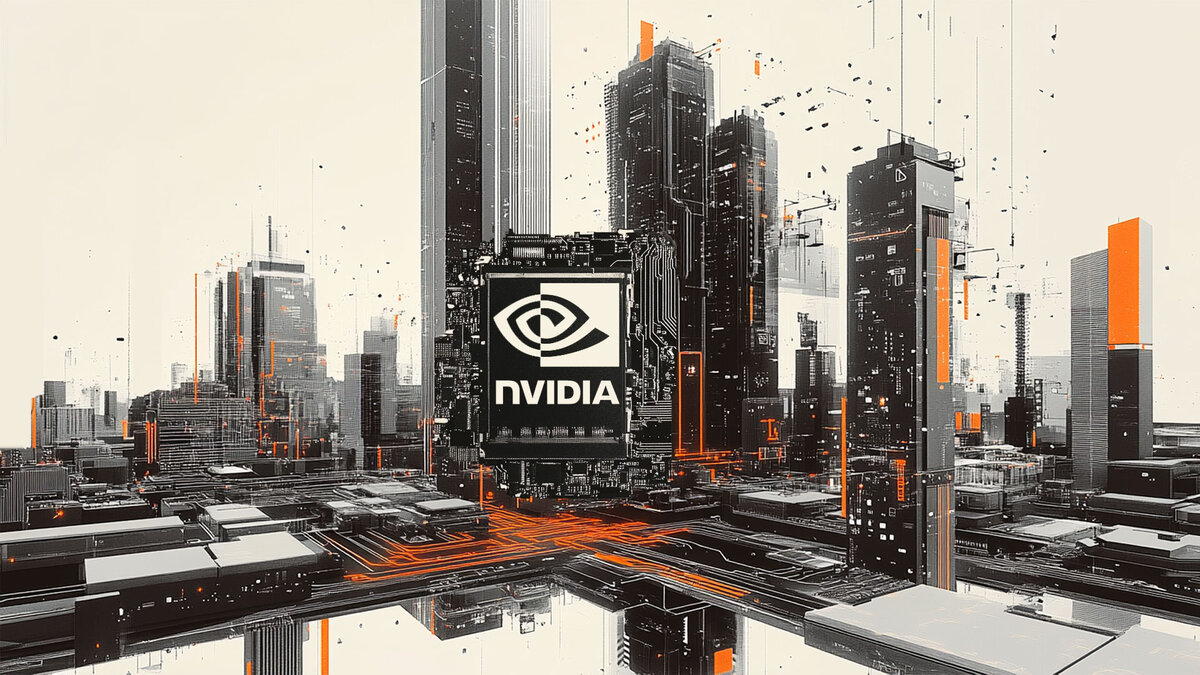
The Stoxx 600 rallied yesterday to 550, while US equities also enjoyed a bullish session. The S&P 500 gained 0.61%, and the Nasdaq 100 hit a fresh intraday high — fueled by a more than 2% jump in Nvidia at one point, making the AI kingpin the first company to reach a $4 trillion valuation.
Of course, we can’t say Nvidia didn’t deserve the title — and I believe there’s more to come. The company is navigating the trade and political jungle with remarkable agility. Its efforts to replace Chinese business with promising new partners — led by Europe and the Middle East — are already bearing fruit. There’s a chance tensions with China will ease. And CEO Jensen Huang is already looking beyond AI — to robotics — to stay ahead of the pack. Nvidia offers an entire ecosystem for companies willing to take the AI leap.
Frankly, we're just at the dawn of the AI era. The next milestone will be the fusion of AI with robotics — a synergy that gives AI hands, feet, and a body. That’s what could truly catapult us into a Jetsons-like future. It’s all very exciting. And the rally we’re seeing in Nvidia is not just about speculation — it’s not merely based on what the company has achieved, but on what it could achieve. And that potential is enormous.
Price-wise, Nvidia has more than doubled in value since the April dip. The stock is up over 1,000% since the launch of ChatGPT — the first moment AI was truly introduced to Mr. and Mrs. Everybody. A period of consolidation wouldn’t be surprising. Still, the outlook remains positive.
Valuation-wise, Nvidia is richly priced, with a P/E ratio near 52 — but that may ease once the next earnings are announced. The company is expected to report $45 billion in Q2 sales, which would pull the P/E back into the 40s. TSMC's Q2 sales came in above expectations despite appreciation of the Taiwanese dollar.
Of course, trade tensions and tariffs are a risk, as is competition. Greater AI adoption could shift part of the demand toward cheaper alternatives (AMD). But Trump’s ‘Bring Manufacturing Back to America’ policies will likely accelerate AI adoption — because automation is the only realistic way to re-shore production and keep costs under control.
Back to the present: newswires remain hectic. It’s all tariffs, tension, and chaos — but markets have an extraordinary capacity to adapt. Trade developments are quickly becoming the new normal; they no longer hammer sentiment the way they once did.
What could jolt markets is when all this starts showing up in the data — through slower growth or higher inflation. Until then, the music plays on.
Amazon, which had a weak start to ‘Prime Day’ week, is not doing too badly. Adobe estimates suggest first-day sales grew 10% year-over-year.
Meanwhile, the latest FOMC minutes released yesterday boosted optimism that the Federal Reserve (Fed) will cut rates later this year — come hell or high water. However, officials are split on the medium-to-long-term impact of tariff-driven inflation. Some believe it will be short-lived and contained, while others warn it could prove sticky and require a more forceful policy response. Time will tell.
In FX and commodities, the US dollar is losing its early-week momentum, pressured by unhelpful trade headlines and a dovish tilt in Fed expectations. The US 2-year yield fell to 3.85% yesterday — a level that implies two rate cuts this year, which appears unlikely, but views differ. Goldman Sachs’ chief economist still expects three cuts this year, while a strategist at the Bank of America warns that stagflation could limit easing and advise favouring value over growth, dividend-paying stocks, and well-capitalized tech firms.
In sovereigns, long-dated US Treasuries benefited from strong demand at this week’s auctions — a sign that markets are adjusting to Washington’s spend-heavy posture. In Japan, long-dated yields fell ahead of the 20-year bond auction. The fact that the 30-year JGB yield is now around — and above — 3% remains a risk to global risk assets and is worth watching closely.
In energy, WTI crude continues to test its 200-day moving average, helped by a softer dollar. In metals, the widening price gap between US copper and global benchmarks is notable. It supports appetite for US copper miners, but it’s bad for: foreign miners, US industries and US inflation.
Author
Ipek Ozkardeskaya
Swissquote Bank Ltd
Ipek Ozkardeskaya began her financial career in 2010 in the structured products desk of the Swiss Banque Cantonale Vaudoise. She worked in HSBC Private Bank in Geneva in relation to high and ultra-high-net-worth clients.

















