Precious Metals Represent Something True

You began investing in precious metals because they represent something honest.
Gold and silver are tangible, scarce, and beautiful. People have always recognized them as such. Societies naturally gravitated toward using them as a trusted medium of exchange – money – almost as soon as societies were formed.
Over time civilizations have come and gone. The world has seen constant social upheaval and change.
People from ancient Sumeria would not recognize modern society. But they would recognize a gold coin. In fact, some of the coins used in their time have survived to this day. Physical gold and silver have retained the trust and value placed in them thousands of years ago.
Gold and silver do not rely upon the stewardship of any government, thank goodness. They do not require legal tender laws to be deemed valuable in trade. The metals you hold inside your safe are worth something regardless of what happens outside.
Bullion coins, rounds, and bars are also completely off the grid and portable. This potent combination of attributes makes metals unique in the investment world.
Perhaps most importantly, gold and silver shine the light upon what politicians and bankers are doing to the fiat dollar. Relative to an ounce of gold, the dollar has lost some 97% of its value since 1913.
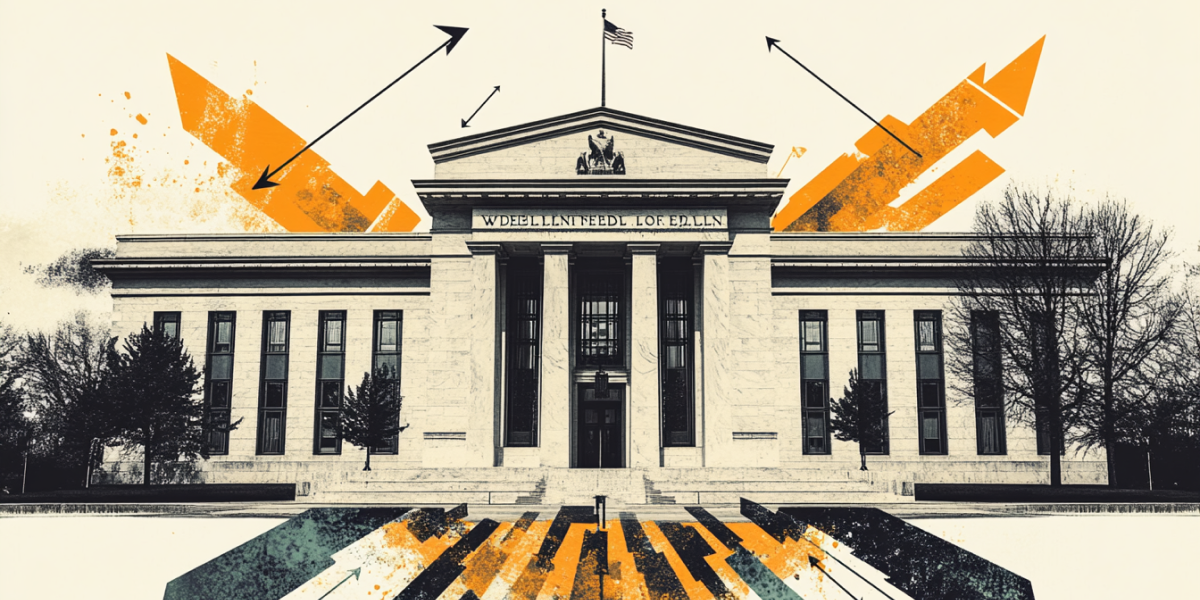
The Federal Reserve System was formed 105 years ago with a mandate to maintain stable prices when measured in dollars.
Instead, officials have worked tirelessly to devalue the currency, booted gold and silver out of the formal monetary system and enabled massive growth in government along with perpetual deficits.
One only needs to look at the gold price to measure just how poorly the central planners have managed their beloved Federal Reserve Note.
Yes, the Truth Can Be Hard
Here in the United States, precious metals have not performed as expected by those of us who believe in metals as the antidote to reckless and inflationary policy – at least not very well in recent years. Gold and silver bottomed out from its 5-year correction back in late 2015 and have risen since.
But it’s felt like a real grind. So much so that some are even questioning what is true.
Are there really going to be consequences for unrestrained federal spending and debt? Why isn’t bullion performing better as an investment?
We can identify some of what has gone wrong. The gold and silver futures markets are corrupted. We know now that price rigging is commonplace.
There is no need to speculate about whether gold and silver prices have been manipulated. It is proven fact. (Individuals and governments in Asia and Russia know the precious metals are undervalued, and they are buying hand over fist.)
Additionally, the rise of algorithmic, or electronic, trading is making price action stranger and harder to predict.
Machines trade thousands of times per second based on complex programming, but few of those trades are connected to human fundamentals or imperatives. Unlike you, machines are not worried about the sudden evaporation of confidence that happens when masses of people realize the promises their government made to them cannot be kept.
It has required patience to hold precious metals in recent years, we know!
But the Truth Cannot Be Avoided and It Is Unchanged
Crooked markets eventually fail. America is still on the road to national bankruptcy. And the Federal Reserve Note will continue its downward trek.
Americans need to be prepared for a future where our national currency purchases far less – and perhaps nothing at all.
Physical gold and silver remain the "go to" asset for preserving wealth in uncertain times.
That is why you bought precious metals in the first place. It was the right decision then. And it is the right decision now.
To receive free commentary and analysis on the gold and silver markets, click here to be added to the Money Metals news service.
Author

Clint Siegner
Money Metals Exchange
Clint Siegner is a Director at Money Metals Exchange, the national precious metals company named 2015 "Dealer of the Year" in the United States by an independent global ratings group.