Housing Maintains Solid Momentum Headed into 2020
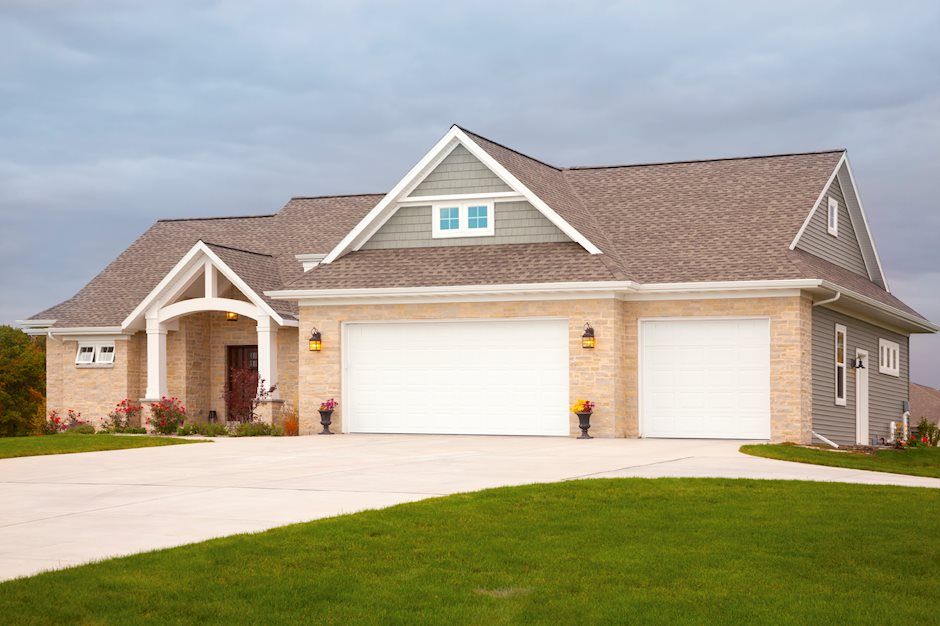

Lower mortgage rates have brought buyers back and boosted homebuilding.
Home sales and new home construction are poised to end 2019 on a strong note. Sales of new homes have risen in two of the past three months and have averaged a 726,000-unit pace over that period, marking the strongest pace since August 2007. Sales of existing homes have also improved, averaging a 5.44 million-unit pace the past three months—up from a 5.36 million-unit pace during the previous three months, with single-family homes accounting for practically all of the increase. The improvement in home sales has bolstered homebuilder confidence and led to a steady increase in single-family starts, which have risen for five months in a row. Single-family starts have averaged a 921,000-unit pace the past three months, marking the strongest pace since October 2007.
So is homebuilding finally awakening from its decade-long slumber? The answer is sort of. There is no doubt that with mortgage rates below 4% and the Fed looking like it is on hold for the foreseeable future housing finally has the wind at its back. The problem is that we are late in the business cycle and home sales and new home construction tend to post their strongest gains at the beginning of the cycle, when confidence about employment and income prospects rises the most. Moreover, affordability remains a major challenge for first-time buyers, while potential trade-up buyers continue to be put off by the lack of existing homes currently available for sale.
Another factor restraining home buying is the declining movement between regions of the country this past decade. Recent data from the Census Bureau show migration within the United States has fallen to its slowest pace in the past 50 years. The drop in migration among younger persons is particularly striking. Of those that are relocating, a surprisingly large proportion are choosing to move to a relatively small number of metro areas, which is putting upward pressure on apartment rents and home prices in many of these markets. Over this past decade, a large proportion of those moving within the United States appear to be clustering in tech-driven markets in the West and South. Only 20 of the 50 largest metropolitan areas have seen significant net migration since 2010, with Texas, Florida and North Carolina metro areas tending to dominate this list.
Single-Family Starts and Apartment Construction Both Look Set to Improve
Even with lower migration, homebuilding appears set to improve substantially in 2020. A rising share of Millennials are reaching a point in their lives where they are marrying, having children and looking to purchase their first home. The leading edge of the Millennial cohort will turn 39 in 2020 and a rising number will reach their late thirties every year well into the middle of the next decade. The improving demographics coincide with improving affordability, which stems both from lower mortgage rates and stronger income growth.
Homeownership likely remains out of reach for a larger proportion of Millennials than prior generations, however. Of those Millennials that have relocated, many have chosen to live closer to the center city or nearby suburbs where housing costs tend to be higher. The demographic makeup of Millennials also differs from prior generations, with a larger proportion being non-white and/or non-native born. We suspect that a larger proportion of Millennials will elect to remain closer to the urban center than prior generations, even if this means renting for longer or raising their family in a townhome or condominium. The bulk of Millennials will choose to follow previous generations to the suburbs, however, providing a meaningful boost to single-family homebuilding.
The turn in demographic and affordability trends is increasingly apparent in the housing data. Housing starts and building permits have trended higher, roughly in line with rising homebuilder sentiment and mortgage purchase applications. After eking out a 0.6% gain this year, we look for single-family starts to rise 2.7% in 2020 and an additional 2.2% gain the following year. We expect new home prices to rise only modestly over this time period, as roughly half of all new construction is likely to take place in the South, where home prices tend to be lower. We also expect builders to focus more on first-time buyers and retirees rather than trade-up buyers, which means a larger proportion of new homes will sell at prices near or below the median.
Apartment building also appears set to increase. Despite a surge in apartment completions, vacancy rates for rental apartments have fallen back near their cycle lows, while rents have continued to increase. Recent surveys of apartment renters show a large and growing proportion of renters see homeownership as unattainable today and plan to continue renting. Some of this shift reflects changing taste and preferences, with a larger proportion of young persons preferring to live closer to work and other amenities. In addition, people are tending to marry later in life and have fewer children. Part of this shift also reflects simple economics, as fewer young persons are able to save enough for a down-payment on a home, particularly with heavier student loan payments.
Demand for apartments has proven surprisingly strong, with calls of a market top beginning to show up around the middle of decade and repeated year after year ever since. With vacancy rates back near cycle lows, the 12-month average for multifamily permits (which are notoriously volatile month-to-month) has risen to the highest level in 32 years and is currently some 115,000 units above multifamily starts, suggesting apartment building is poised to move higher this year.
Author
Wells Fargo Research Team
Wells Fargo

















