Gasoline and the Gulf
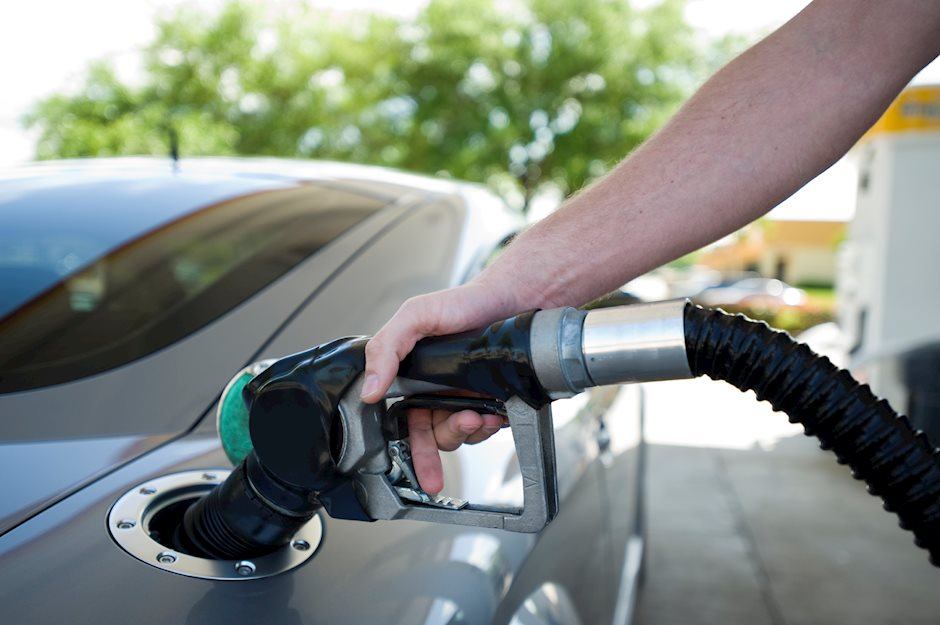

The attack on the Saudi Aramco refinery sent crude prices soaring on Monday and those increases will begin to affect US retail gasoline prices perhaps as soon as the end of this week.
But unless fuel prices break higher, particularly above $3.00 a gallon which has marked the top for more than five years, they are unlikely to impact the economy in any serious fashion.
Since the beginning of 2015 when the crude price collapsed from over $100 a barrel under the influence of the US shale revolution, the nationwide weekly average price of a gallon of regular gasoline has ranged between $1.74 and $2.96. The 52-week moving average fell from $3.50 in January 2015 to $2.12 by the end of October 2016, up to $2.73 last December and back to $2.61 last week.

Reuters
Depending on how long the repairs to the Saudi facilities take, the attacks removed about 5% of the global supply of crude, US pump prices could rise 15-30 cents per gallon. From its current price of $2.61 that would bring the potential cost to $2.76-$2.91 and at the high end, but not outside, of the five year range.
If West Texas Intermediate (WTI) the US crude standard rose and stayed above $70 a barrel, where it has not been in a year, it would be followed quickly by $3-a-gallon gasoline.
The US may have taken over as the world’s biggest producer but Europe gets a large portion of its oil supplies from the Persian Gulf. One sign of that vulnerability is that in the initial rush higher on Monday WTI gained 15.6% but Brent rose 19.5%.

Reuters

Reuters
The direction of WTI and crude depends on whether there are more attacks on Kingdom oil installations and the US and Saudi response. If there is no answering raid from Washington or Riyadh, and today President Trump said he is in no rush to respond and if there is no second attack, then crude prices could lose much of their upward bias, even if it takes weeks or even months to fully restore output.
The problem is that the logic behind the attacks and their political and economic benefits remain in place. Whoever perpetrated the drone strikes, they serve the political needs of Iran. Tehran is trying to get European governments to pressure the United States to weaken or remove the sanctions that are drastically reducing its economy.
If one attack does not accomplish their aim, a second or third might. The potential escalation will not wholly dissipate even if the Gulf stays calm.
The US consumer whose spending is supporting the economy as businesses wait for the China trade resolution, will not be dissuaded from spending if gas prices are within the ranges of the last five years.
The impact might be quite different if the gasoline price penetrates and stays above $3.00 a gallon.
To achieve that may require another drone attack. It is a possibility that markets cannot ignore.
Author
Joseph Trevisani
FXStreet
Joseph Trevisani began his thirty-year career in the financial markets at Credit Suisse in New York and Singapore where he worked for 12 years as an interbank currency trader and trading desk manager.

















