Forex: It's just the tremors, before a full blown Dollar tsunami

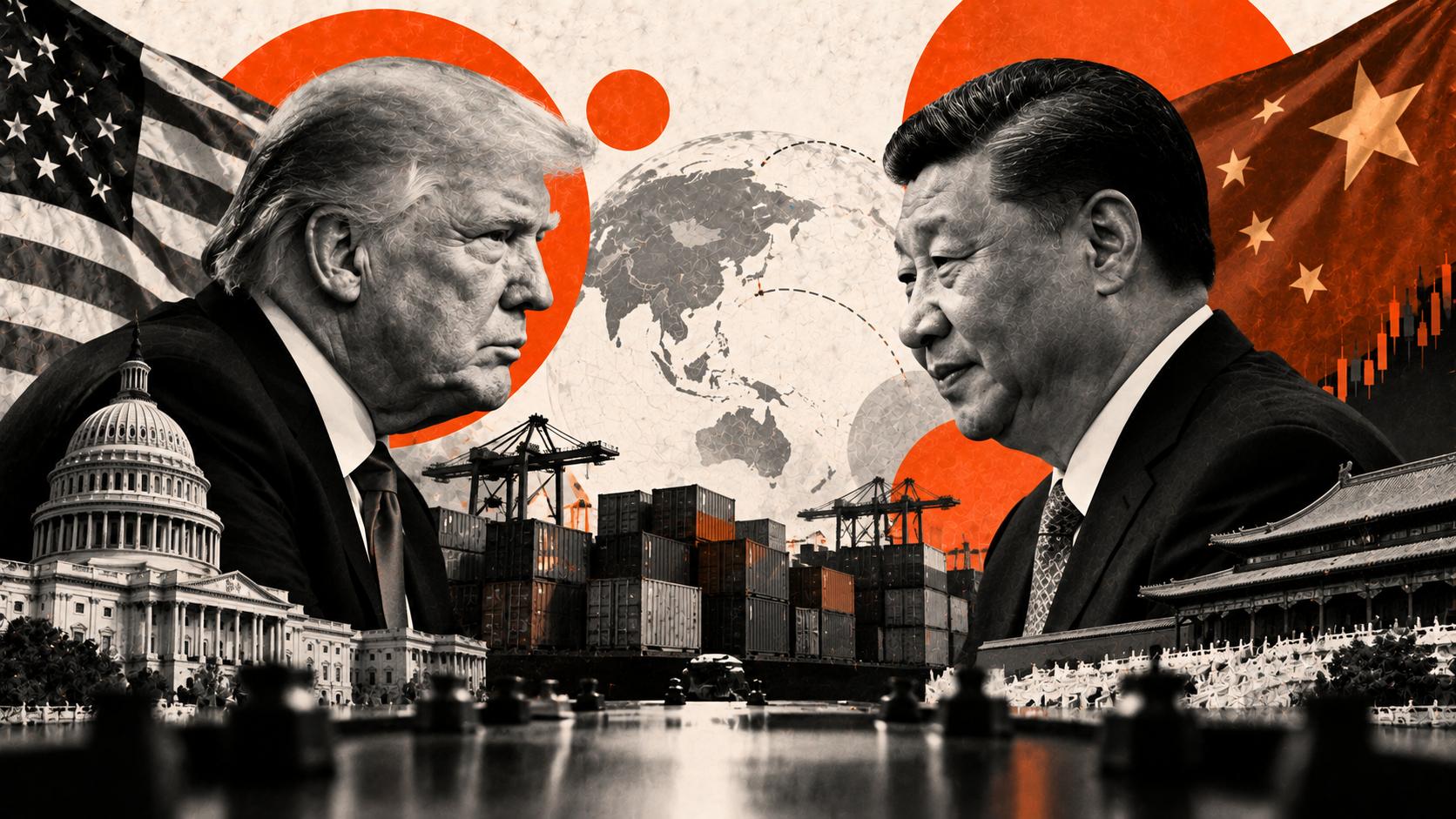
Investors are caught in a whirlwind of global uncertainty and trade anxieties. With Trump’s anticipated tariffs looming like storm clouds, those markets in the line of tariff fire are bracing for impact.
I hope you’re not underestimating what’s brewing because Trump’s trade and domestic agenda is setting up a USD moonshot like we’ve never seen. This week’s price action? Just a tremor before the full-blown dollar tsunami that’s bound to hit with Trump’s second term. Every dip should be a golden opportunity to lock in long USD positions at better levels. This isn’t just a fleeting uptick; we’re talking about a structural realignment that could define the market’s course for years.
As for the euro, “The Atlantic Spread” says it all. With widening interest rate differentials, EUR/USD at 1.05 might arrive not by year-end but potentially within days. However, stretched positions mean it’s always wise to cash out some gains—big or small profits are never a bad idea. You know my strategy: get there first, don’t hang around when your target is near (i.e. take some profit), and reevaluate with a bounty in the bank.
If the euro gets a geopolitical boost, which I’m expecting via the Middle East and much lower oil prices, we could see EUR/USD on a short covering rally hit 1.0650-1.0700, but that’s a prime selling zone, nothing more.
Yesterday, US CPI data only fueled the dollar’s fire, with sticky core inflation underscoring a slowdown in the disinflation process. Rising yields, swelling deficits, fiscal stimulus, and looming trade tariffs are fanning inflation expectations into uncomfortable territory, now creeping around 2.6% year-over-year. All this is pure octane for the dollar’s rally.
Over in Asia, FX markets are on edge. The ringgit and rupiah have retraced their summer gains, while the PBoC’s attempt to bolster the renminbi with a stronger daily fixing rate offers little relief.
The PBoC is pulling out all the stops to curb the renminbi's slide, setting a stronger daily fixing rate—a bold, unmistakable signal that they are panicking. Yet, despite this countercyclical intervention, the spot rate remains around 7.2560, with traders hesitating to push toward the PBoC’s +/-2% daily boundary( that test will surely come) . Now, the line in the sand hovers ominously like a thundercloud at 7.35 “ in the hotly watched "Yuan Watch."
But let’s not kid ourselves—Trump's looming trade policies and fresh tariffs spell a rough road ahead for the renminbi. This show of strength by the PBoC may slow the slide, but the forces in play suggest the yuan is on a steady path toward further weakening in the coming year.
Suppose the U.S. dollar rally presses forward unchecked—especially in the absence of a flood of stimulus across China and Europe—including the BoJ to step in aggressively on interest rates. In that case, we’re likely looking at USD/CNH surging to 7.65, EUR/USD flirting with parity, and USD/JPY rocketing up to 163. At the same time, the Malaysian ringgit (often called the local FXwhipping boy when things turn sour ) could slide further into the 4.75-4.80 range. This outlook paints a turbulent picture for Asian FX markets, with more pressure building as the dollar’s climb redraws the global currency landscape.
A giant negative feedback loop will intensify outflows from Asia markets, and the currency death spiral will take over.
Any low-yielding currency is in a tough spot as the U.S. dollar carry is back in full swing.
My Asia market press release: The US Dollar wrecking ball
The relentless surge of the U.S. dollar is primed to cut a swath of carnage through Asia’s asset markets, leaving economic strain in its wake. Historically, when the dollar flexes its muscle, Asia takes the hit. Waves of unrelenting dollar strength have battered the region before, erasing gains on local currency debt—the backbone of Asia’s emerging markets. Countries with hefty USD-denominated debt are bracing for impact, and for some, this could be the last straw, with swelling debt levels and fragile growth dynamics setting them up for a hard fall.
Trump’s expected return will further complicate the U.S. inflation picture, fueling the fire with a potential mix of tariffs and a more significant fiscal deficit. While the Fed is likely to cut rates, albeit slower, the dollar stands tall as other major central banks scramble with easing policies in the face of tariff-induced strain. For Asia, particularly those economies closely linked to China, the dollar’s dominance is poised to become an economic wrecking ball.
The implications could soon go beyond mere numbers; markets may recognize that this unrelenting dollar strength isn’t just a statistic but a direct assault on Asian economies deeply tied to local currency debt. This is when the big Hedge Fund guns come out and start aiming at the most vulnerable currencies. If the trend continues unchecked, this Asisa vulnerable FX foundation may be swept away, with broader repercussions across the region. (Stephen Innes SPI Asset Management).
Author

Stephen Innes
SPI Asset Management
With more than 25 years of experience, Stephen has a deep-seated knowledge of G10 and Asian currency markets as well as precious metal and oil markets.