Forex: Back on the Trump rollercoaster
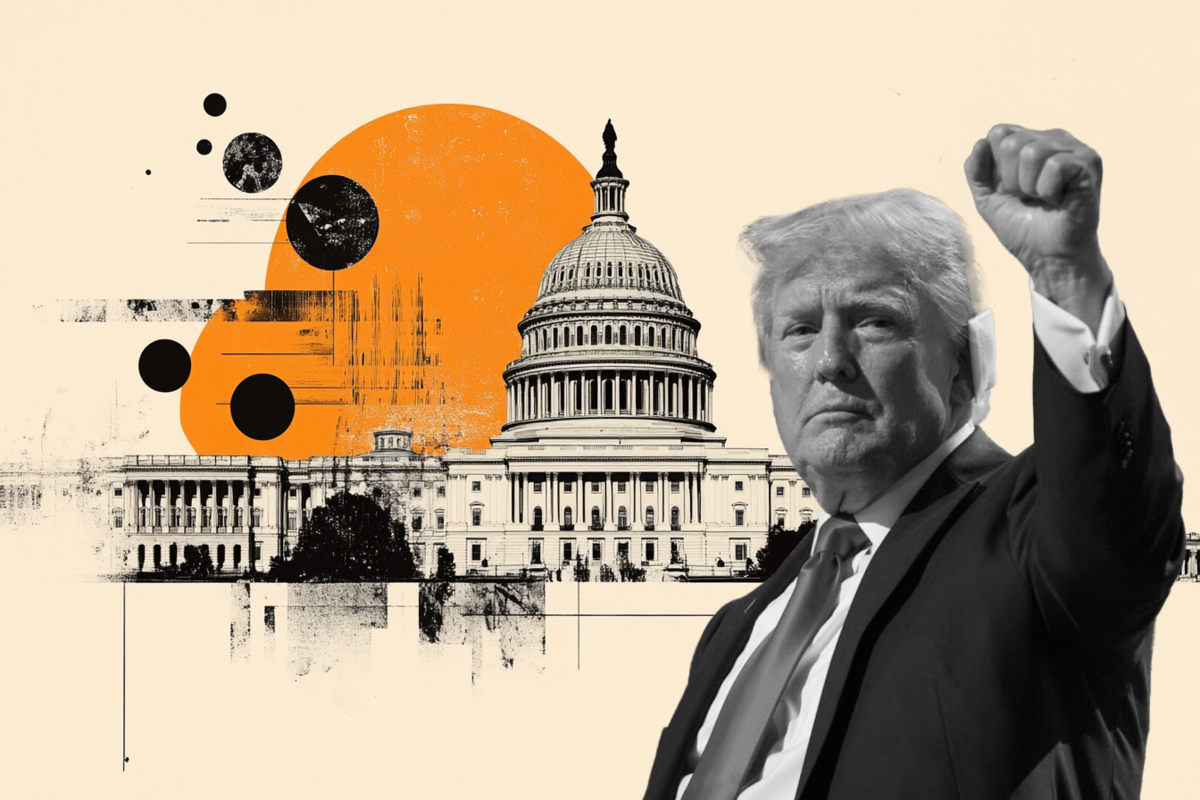

As President Donald Trump's second term began, delaying immediate tariff impositions ignited a robust rally in the currencies of key U.S. trading partners—Mexico, Canada, China, and the Eurozone. The currency markets initially soared with relief at 8:30 a.m., buoyed by the WSJ article that Trump was opting for a thorough reassessment of tariff policies instead of immediate enforcement. This sense of optimism peaked during his inaugural speech but faced volatility when Trump later confirmed that tariffs on Mexico and Canada were still on the table. This series of events highlighted the unpredictable market dynamics often accompanying Trump's presidency, underscoring the need for vigilance and adaptability in response to his administration's shifting policy landscape.
The current silence regarding China suggests President Trump is angling for a significant deal. Some FX players even suggest a contemporary version of the Plaza Accord that includes Chinese President Xi Jinping.
Trump’s unexpected move to rescue TikTok from extensive bans also distinguishes him from the more hawkish anti-China voices within his administration. This approach is considerably more conciliatory than many had anticipated, indicating a possible shift toward diplomacy in his second term. Or is he……
Navigating a Trump trade war previously taught me the futility of analyzing the situation until it was clear that Trump had finished his daily social media onslaught. So, brace for more social media-driven policymaking, which will likely stir the FX markets and sustain elevated volatility, particularly in these initial stages of the administration.
Today, for example, it sure seemed we might have smooth sailing, but that optimism was shattered when Trump was probed during a press conference about his stance on Mexico and Canada. Suddenly, the waters muddied with 25 % tariff rhetoric.
Navigating the currency markets in the context of Trump's tariff policies is particularly challenging when friendly nations like Canada and Mexico are targeted. Hence, the question of tariffs persists. On the other hand, China, typically seen as a more adversarial partner, receives conciliatory gestures. This policy inconsistency makes it difficult to forecast based solely on tariffs. However, from a broader economic and monetary policy perspective, the U.S. dollar remains a reliable refuge, at least for now. This backdrop demands a nuanced approach to forex strategies, balancing geopolitical considerations with the fundamental strengths of the dollar.
In today's trading arena, dollar traders seized their first real opportunity to sell the facts, a stark pivot from months of buying into swirling rumours surrounding Trump's policy intentions. Beyond the immediate tariff discussions, assessing the broader implications of Trump's policy agenda is crucial. Many of his proposed measures are inherently inflationary, notably if he neglects the escalating federal deficit, which will likely exert upward pressure on U.S. Treasury yields. My stance remains bearish on bonds—I foresee 10-year UST yields potentially breaking above 5% later this year. The dollar's strength is backed by this anticipation, supported by a robust carry, making it a viable hold, at least for the short term. However, timing this surge in UST yields is a tactical challenge. The dollar’s attractive carry is a consolation for now, but until the tariff dust settles, we're not quite ready to back up the truck and go all in.
But what did I learn from today? The US Stock Market matters to Trump and could serve as a guardrail for his future policies. This suggests that his approach to tariffs might not be as one-dimensional as feared, potentially steering us away from a one-way tariff street.
Author
Stephen Innes
SPI Asset Management
With more than 25 years of experience, Stephen has a deep-seated knowledge of G10 and Asian currency markets as well as precious metal and oil markets.