Fed backstops risk
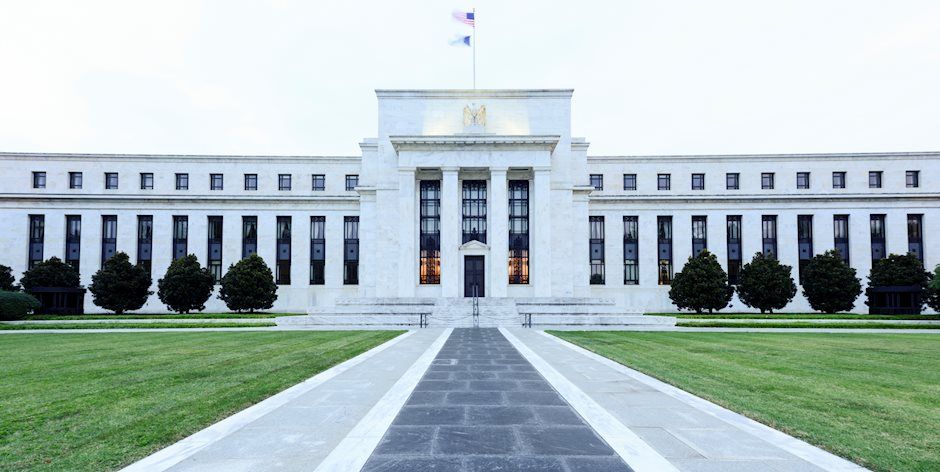

Overall risk sentiment remains weak after reports of attacks on two oil tankers in the Gulf of Oman. US equity markets closed higher due to rally in energy stocks, US yields fell, while oil and gold prices bounced. Classic safe-haven flows. The US has accused Iran of the attacks increasing the tensions in the Middle-East. However, we are living in extreme times where the natural pricing of markets are no longer relevant. New that would have sent markets on a hair raising, roller coaster ride saw crude volatility and price increase only marginally. Central banks dislocating extreme monetary policy, which has shifted toward expansion, in recent months, continues to backstop risk. Given this view, we see the current pullback in risky assets as a short-term move. Further support is likely to come from next week Federal Reserve meeting and press conference.
The FOMC is preparing arguments for interest rate cuts in September. The Fed will have a tricky time to highlight downturn due to escalating trade war and soft macro-economic data, at the same time not spooking the market. This shift will herald the way for global monetary policy turn. The market has already priced in a 25bp cut and probability of a recession in the coming 12 months stand at 30%. Yet hearing the Fed articulate, the strategy will affect the markets. The net result is likely weaker USD, especially against EM currencies and a further improvement in equities. Moving forward, it will be fascinating to see if Fed Chair Powell can stop President Trump from driving the USA into recession. Arguably America’s two most powerful institutions going head-to-head in the months to come.
Stay on top of the markets with Swissquote’s News & Analysis
NZD slides amid disappointing Manufacturing PMI
The New Zealand dollar was the worst performer amongst the G10 complex following an unexpected slump in Manufacturing PMI. NZD/USD fell as much as 0.63% to 0.6528 after Business Manufacturing PMI came in at 50.2 versus 53 median forecast and 52.7 in the previous month. According to the latest report from BusinessNZ, the manufacturing PMI dropped 2.5 points in May, thanks to sharp contractions in Production (-3.7) and Deliveries (-3.6) sub-components. Only the Finished Stocks sub-component managed to edge higher, up 4 points to 56.5. However, the details remains worrying, as the PMI slid to the lowest since December 2012 and the trend is clearly bias to the downside. Most worryingly, the sharp drop in production to 46.4 is of bad omen for the months to come, especially since new orders printed close to the neutral threshold and inventories are building up – finished stocks came in at 56.5.
Looking at the big picture, data from New Zealand suggests a stabilisation in the first quarter but the story could be much in the second one as data from the job market, service sectors and manufacturing sectors point to slower economic expansion. The recent monetary push by RBNZ suggests that the central bank anticipates such a scenario. However, we believe that there is room for further USD debasement as market participants have been pricing more rate hikes from the Fed. Now that Powell is about to engage the reverse gear, the greenback should continue to trim gains, which should prevent the Kiwi to slide further.
Author
Peter A Rosenstreich
Swissquote Bank Ltd
Peter Rosenstreich is Swissquote Bank’s Head of Market Strategy and manages the global strategy desk; he has held various positions in several banking institutions in the United States, Europe & Asia.

















