Existing home sales drop in March


Slow start to spring selling season
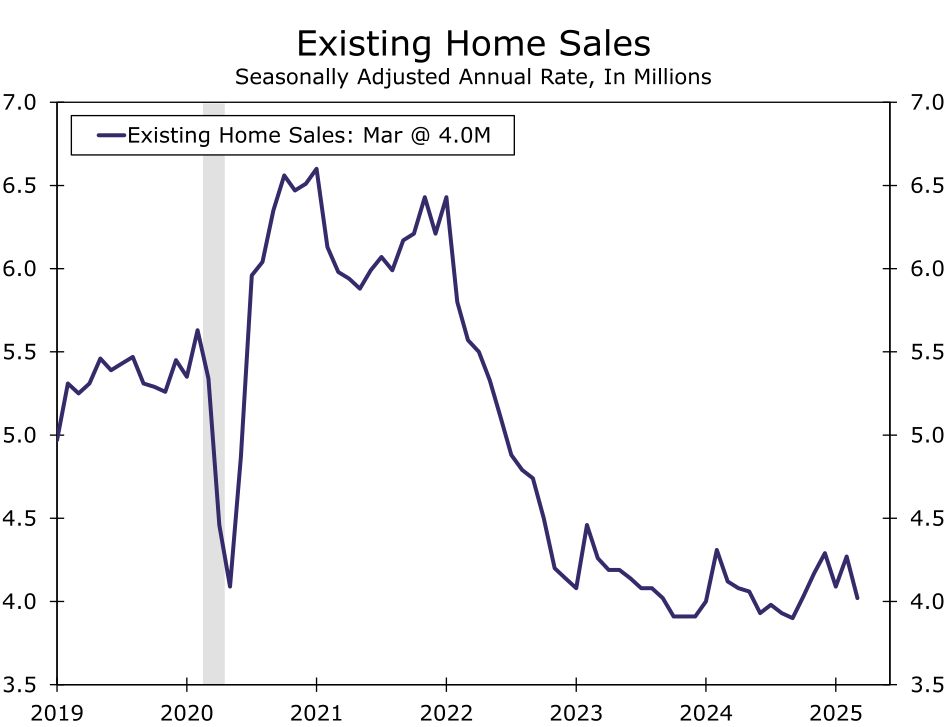
Existing home sales dropped 5.9% in March. The monthly decline pushed the pace of resales to 4.02 million, the slowest since January 2024. March's pullback largely reflects ongoing affordability challenges for buyers, in particular the relatively high mortgage rates which prevailed in January and February, when buyers first went under contract. Although buyer financing costs temporarily dipped lower in March, mortgage rates have jumped back to near 7% in April alongside recent financial market volatility. In addition to the elevated stance of mortgage rates, affordability continues to be pressured by rising home prices.
Source: NAR and Wells Fargo Economics
Resales in the doldrums
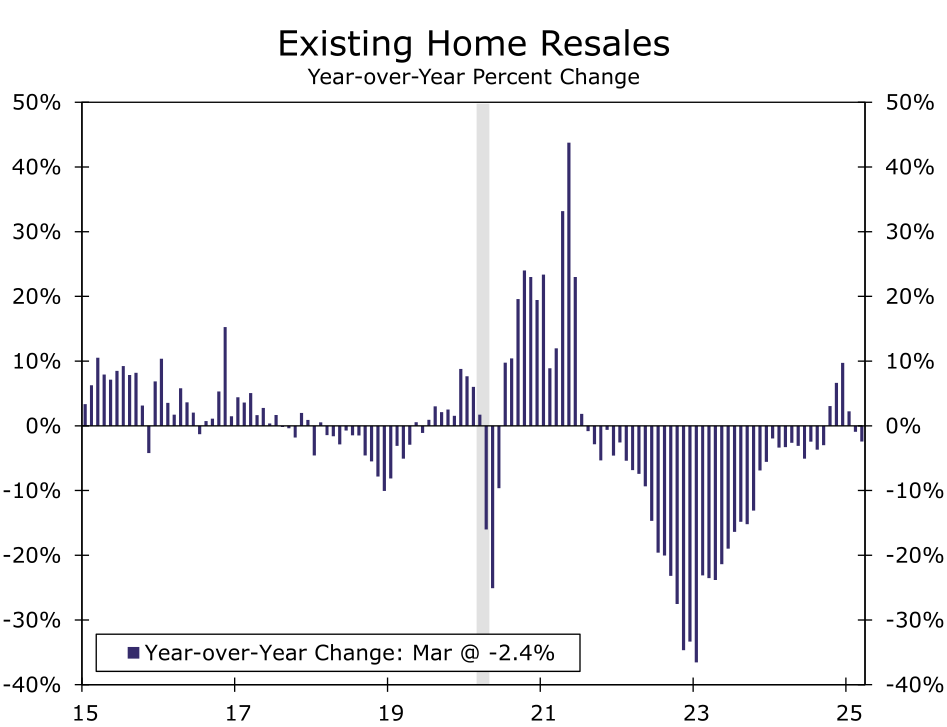
- Existing home sales fell back 5.9% in March, entirely erasing the 4.4% gain in February. The 4.02 million annual rate in March also slipped 2.4% below its pace one year ago.
- As of March, the pace of resales was stuck 23% below the pre-pandemic rate in March 2019. Ongoing affordability challenges and mounting macro headwinds will likely keep the near-term pace of sales running slow.
- A sharp 6.4% contraction in single-family transactions drove March's overall slip. Condo and co-op resales were unchanged over the month.
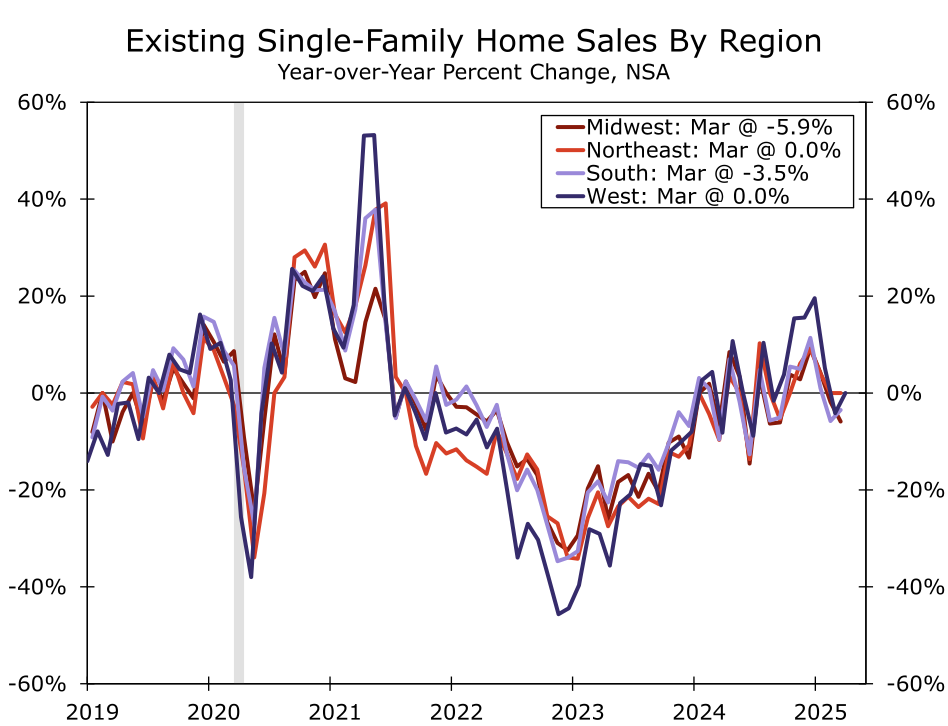
- Every geographic region experienced lower resales in March, with the sharpest contractions registered in the West and South. On an annual basis, resales were either down or flat across regions.
- Resales in March reflect contracts signed in January and February, at which time mortgage rates were close to 7.0%. Although mortgage rates temporarily dipped in March, they have since sprung back up. Elevated economic uncertainty makes it unlikely that buyers will experience a meaningful mortgage rate reprieve in the near term.
- Although high mortgage rates continue to lock out supply, the slower sales pace prompted a slight improvement in resale inventories. Single-family resale listings rose 6.5% over the month of March, lifting inventories 18.6% above their level one year ago.
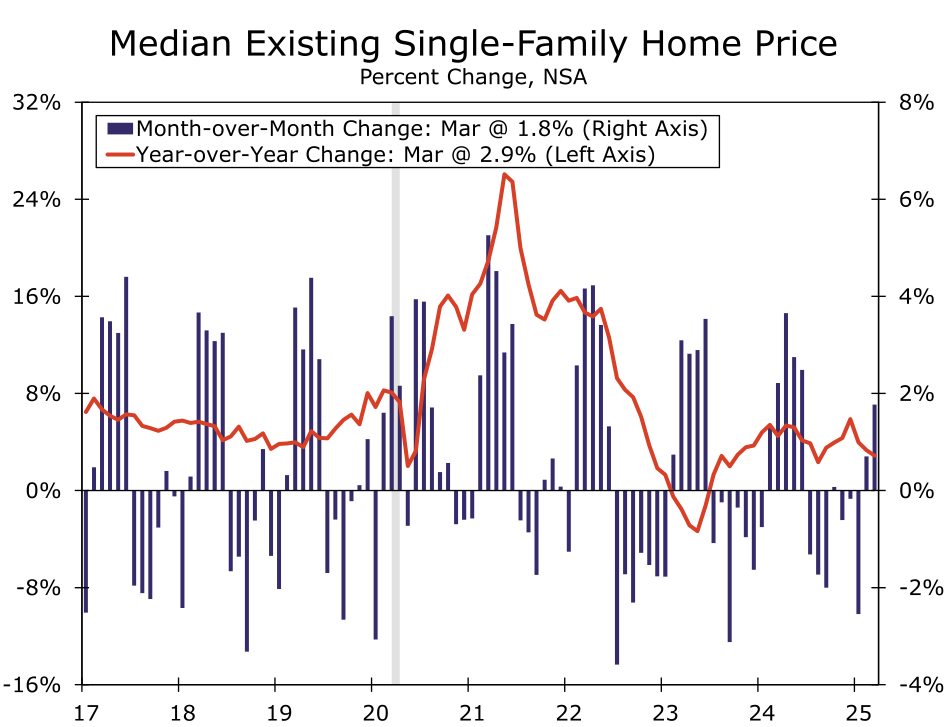
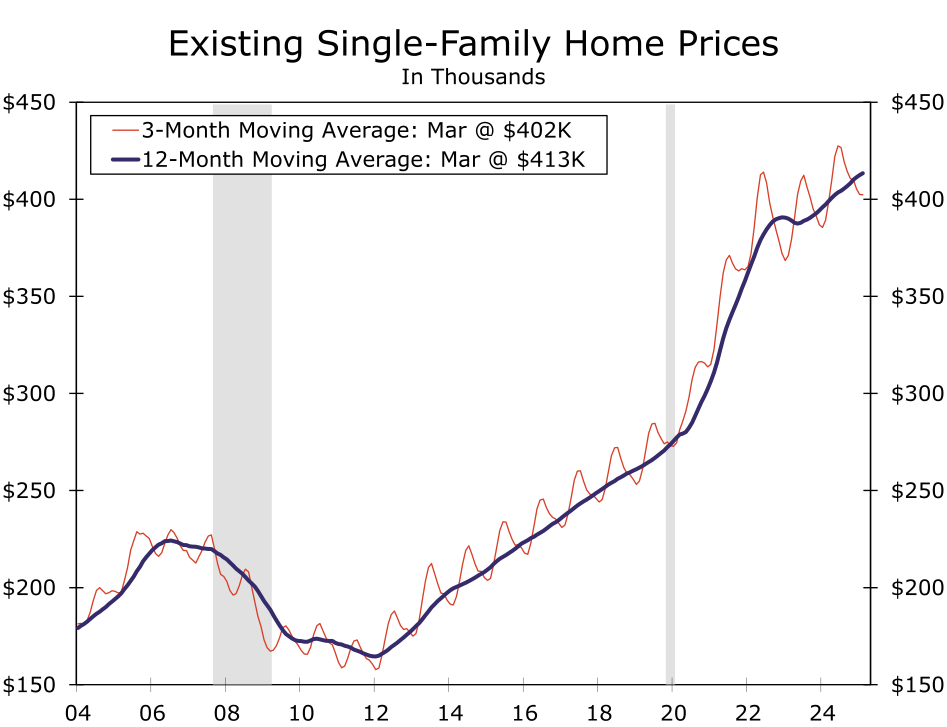
- This supply uptick may have had a hand in tamping down single-family price appreciation, which softened to a 2.9% annual rate in March. While prices are still rising, this marked the lowest annual price increase in seven months.
- Although inventories have improved, they remain far below their pre-pandemic level. As a result, low supply will likely continue to favor positive price appreciation, adding to the affordability challenge.
Source: NAR and Wells Fargo Economics
Source: NAR and Wells Fargo Economics
Source: NAR and Wells Fargo Economics
Source: NAR and Wells Fargo Economics
Author
Wells Fargo Research Team
Wells Fargo