EUR/USD Price Forecast: Bears gain confidence as trade tensions mount
EUR/USD Current price: 1.1619
- Tensions around the US President Trump's tariffs weigh on markets.
- The United States will release the July Consumer Price Index on Tuesday.
- EUR/USD turned bearish in the near term, needs to clear the base of the range at 1.1610.
The EUR/USD pair keeps trading within familiar levels on Monday, with a modest downward bias. The US Dollar (USD) started the week with a soft tone, although not enough to push the pair beyond the 1.1700 peak posted last week.
In the absence of fresh macroeconomic data, financial markets swing at the rhythm of United States (US) President Donald Trump and his decision to “protect” the local economy through tariffs on imports into the US. Trump´s trade war against the world has ultimately led to political chaos and mounting doubts about the Federal Reserve (Fed)'s independence.
The central bank has paused its loosening cycle amid concerns that widespread levies will result in fresh inflationary pressures. That led President Trump to threaten to fire Chair Jerome Powell, accusing him of causing billions of dollars in losses.
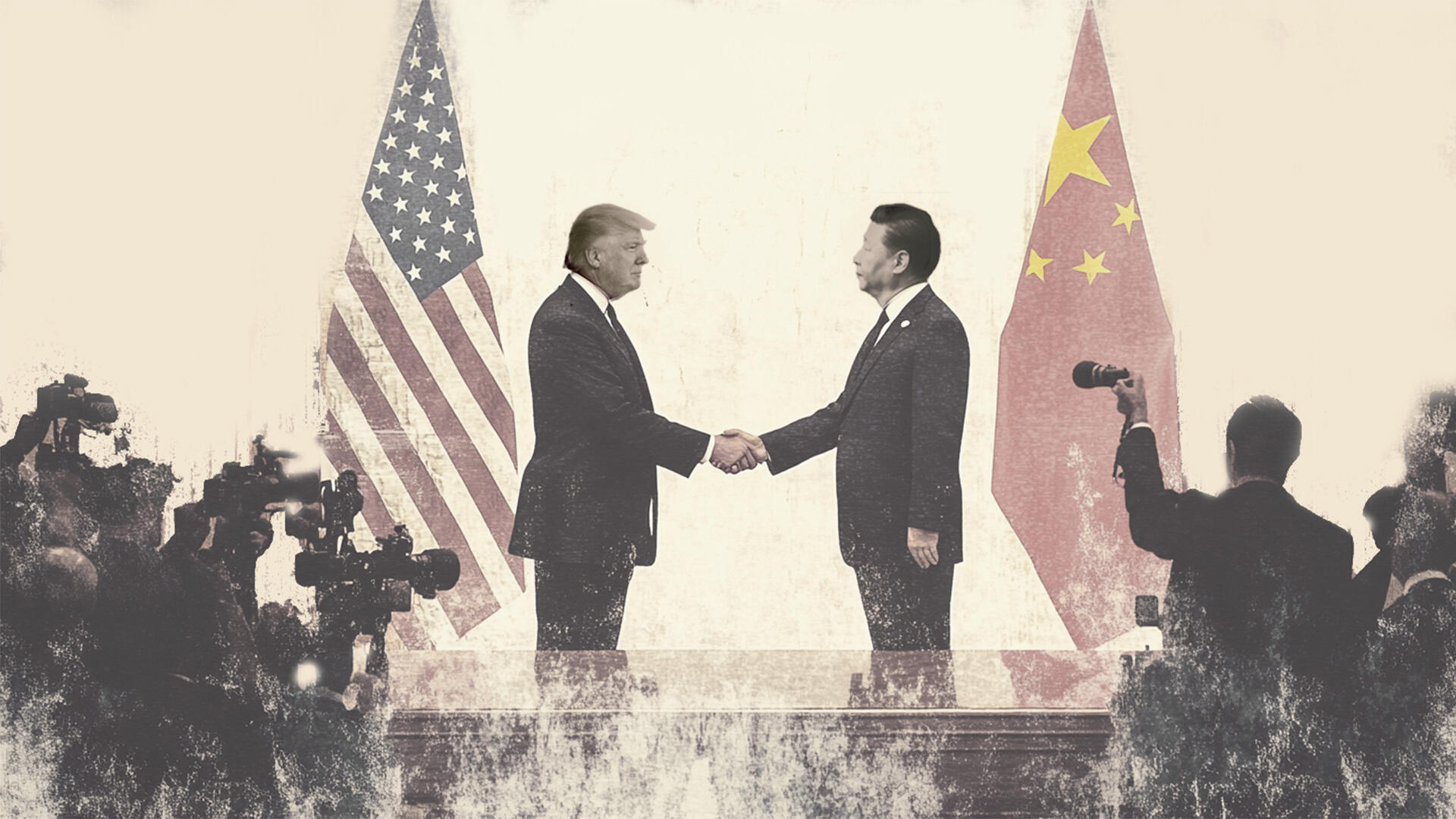
The latest on the matter points to the heart of the trade war: the commercial relationship between the US and China. Representatives from both countries have met multiple times ever since Trump’s “Liberation Day” back in May, but actual progress is yet to be seen, other than a temporary pause in back-and-forth massive retaliatory levies. Such agreement expires on Tuesday, without any news on whether tariffs will come into effect, so another extension is coming.
In the meantime, US President Donald Trump shared on Truth Social:
China is worried about its shortage of soybeans. Our great farmers produce the most robust soybeans. I hope China will quickly quadruple its soybean orders. This is also a way of substantially reducing China’s Trade Deficit with the USA. Rapid service will be provided. Thank you President XI.
The macroeconomic calendar has nothing relevant to offer on Monday, with the focus on the US Consumer Price Index (CPI) scheduled for Tuesday. Annual inflation, as measured by the index, is foreseen at 2.8% in July, higher than the 2.7% posted in June. The core annual figure is forecast at 3.0% also higher than the previous 2.9%.
EUR/USD short-term technical outlook
From a technical point of view, the EUR/USD pair trades at the lower end of its latest range, approaching the 1.1600 mark early in the American session. The daily chart shows that the Momentum indicator gains downward traction below its midline, while the Relative Strength Index (RSI) indicator also turned south, yet remains at around 50. This suggests that sellers are gaining confidence and adding shorts. At the same time, the pair is battling a now flat 20 Simple Moving Average (SMA), while the 100 and 200 SMAs keep heading north far below the current level.
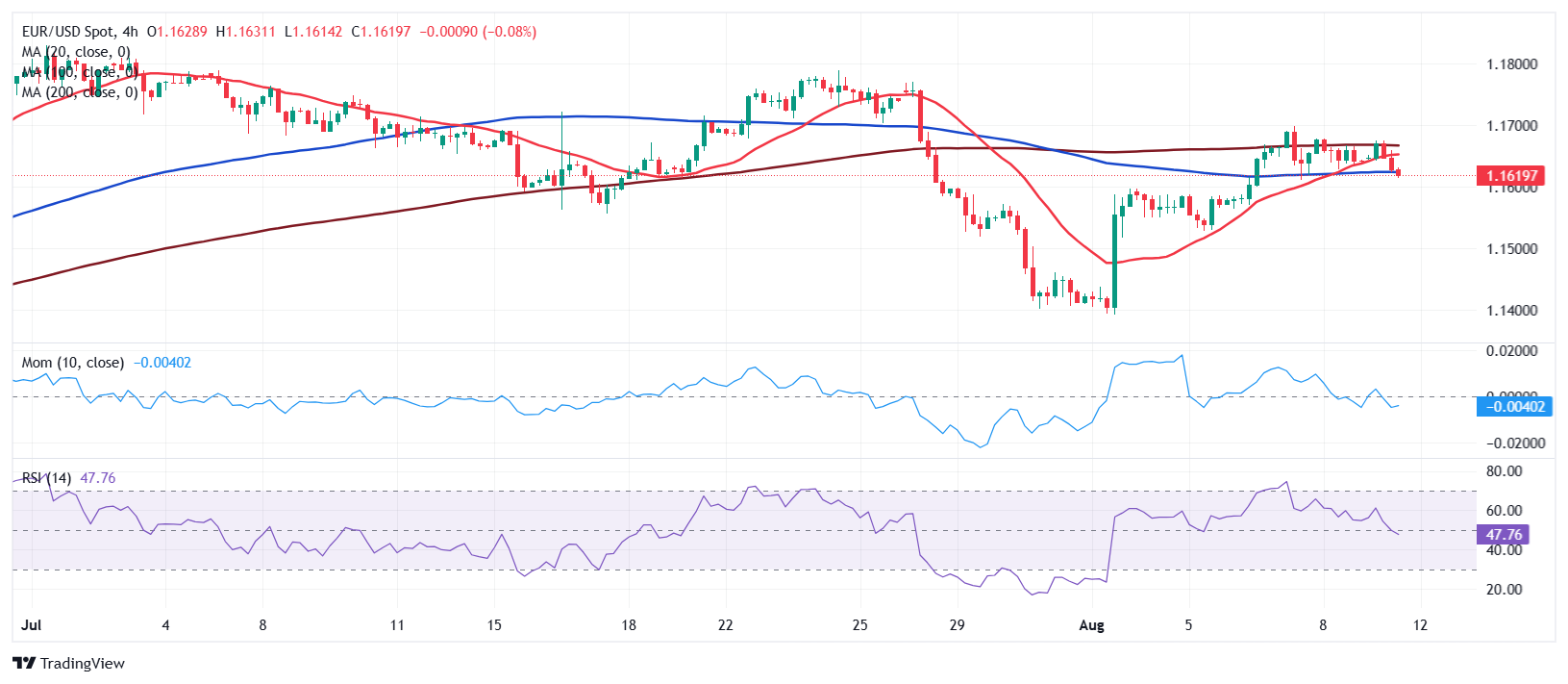
The near-term picture is bearish for EUR/USD. The 4-hour chart shows that the pair has already broken below a bullish 20 SMA, while the pair hovers around a flat 100 SMA, making the 1.1620 area a relevant support level. Additionally, technical indicators slid below their midlines and maintained their downward slopes within negative levels, in line with lower lows ahead.
Support levels: 1.1610 1.1570 1.1520
Resistance levels: 1.1680 1.1725 1.1760
US-China Trade War FAQs
Generally speaking, a trade war is an economic conflict between two or more countries due to extreme protectionism on one end. It implies the creation of trade barriers, such as tariffs, which result in counter-barriers, escalating import costs, and hence the cost of living.
An economic conflict between the United States (US) and China began early in 2018, when President Donald Trump set trade barriers on China, claiming unfair commercial practices and intellectual property theft from the Asian giant. China took retaliatory action, imposing tariffs on multiple US goods, such as automobiles and soybeans. Tensions escalated until the two countries signed the US-China Phase One trade deal in January 2020. The agreement required structural reforms and other changes to China’s economic and trade regime and pretended to restore stability and trust between the two nations. However, the Coronavirus pandemic took the focus out of the conflict. Yet, it is worth mentioning that President Joe Biden, who took office after Trump, kept tariffs in place and even added some additional levies.
The return of Donald Trump to the White House as the 47th US President has sparked a fresh wave of tensions between the two countries. During the 2024 election campaign, Trump pledged to impose 60% tariffs on China once he returned to office, which he did on January 20, 2025. With Trump back, the US-China trade war is meant to resume where it was left, with tit-for-tat policies affecting the global economic landscape amid disruptions in global supply chains, resulting in a reduction in spending, particularly investment, and directly feeding into the Consumer Price Index inflation.
Author

Valeria Bednarik
FXStreet
Valeria Bednarik was born and lives in Buenos Aires, Argentina. Her passion for math and numbers pushed her into studying economics in her younger years.