Did the RBNZ ruin the Kiwi rally? Not so fast
The Reserve Bank of New Zealand decided to keep interest rates on hold in its February meeting, nothing surprising for market participants. The Kiwi turned south after the RBNZ decision against most major rivals, including the US Dollar, as investors priced in little action this year. But some seem to be forgetting that the USD isn’t in its best shape, and this may bring some surprises down the road for those betting on a continuous decline for the NZD/USD pair.
Why did the RBNZ hold rates? It’s the economy
According to policymakers, inflation remains “slightly” above the central bank’s goal, which, by the way, is among the widest: 1% to 3%.
Even further, the RBNZ’s Board indicated the monetary policy may stay “accommodative” for some time, despite the Committee also considered the risk that policy remains accommodative for too long.
The Monetary Policy Statement was even clearer about how things are going in New Zealand: “The economy is at an early stage in its recovery. With ongoing strength in commodity prices, economic activity in the agricultural sector and regional New Zealand remains strong. Although residential and business investment is increasing, households remain cautious in their spending. The labour market is stabilising, but unemployment remains elevated. House price growth remains weak, dampening household wealth and inclination to spend.”
But is the economy really at an early recovery stage? Numbers tell a different tale:
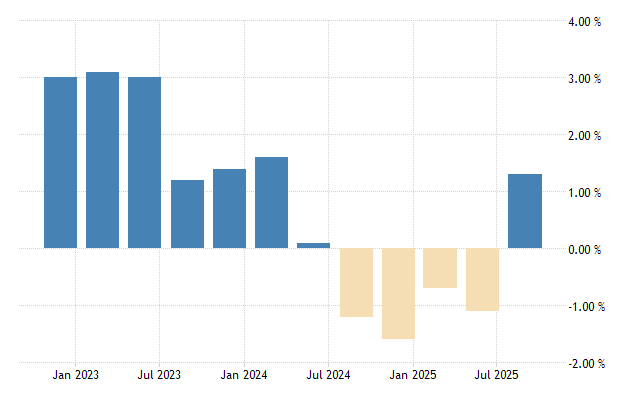
New Zealand’s economy expanded by 1.3% in the three months to September 2025, its first annual growth since Q2 2024. That’s far from being “recovery,” and closer to “hope it finally picks up.” Meanwhile, New Zealand’s unemployment rate stands at 5.4%, a decade high.
To sum up: growth is tepid, with one quarterly encouraging reading in the last six quarters, while inflation and employment remain far from balanced within the RBNZ goals. That’s probably a more certain reason why the Board decided not to innovate.
What will happen with the Kiwi, then?
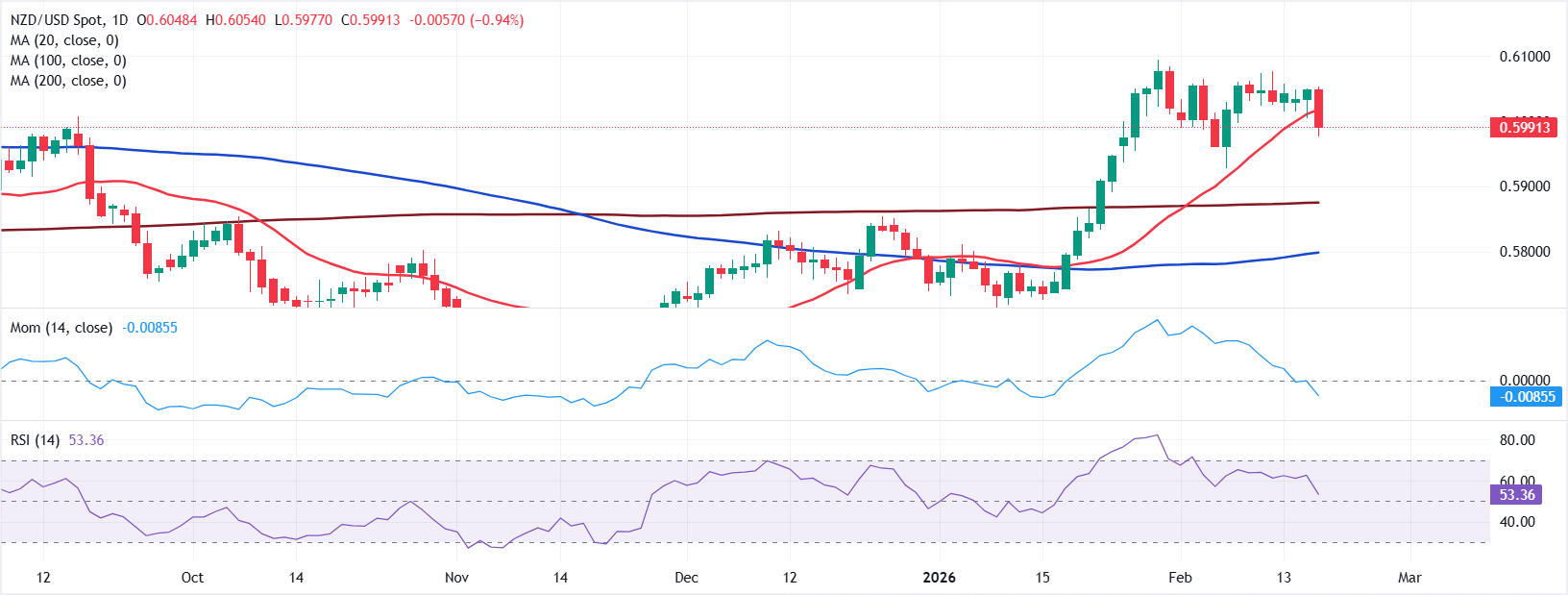
The NZD/USD pair further eased from its recent multi-month peak of 0.6094, and it is currently sliding through the 0.6000 mark. But the former rally towards the mentioned high had nothing to do with the Kiwi: it was all about US Dollar weakness amid uncertainty in the world’s largest economy.
Uncertainty in the US remains the same, and as long as it subsists, the Greenback has more chances of remaining on the losing side than of regaining its crown.
For the NZD/USD pair to resume its bullish trend, the pair would need to first reconquer the 0.6050 mark, where sellers are currently aligned. Once the resistance turns into support, the most likely scenario is that NZD/USD will run past the aforementioned peak, aiming initially towards the 0.6120-0.6130 region, en route to the 0.6200 mark.
The ongoing USD strength seems temporary and corrective, following the November-January massive slump. Market participants are trying to find a new balance, but once again, for the Greenback.
In such a scenario, the NZD/USD next directional move will not solely depend on the NZD, but more likely continue to depend on the USD market’s perception. Near term, the NZD/USD can extend its decline towards the February low in the 0.5920 price zone, a static barrier. Additional declines should lead to the December peak at 0.5851, a line in the sand for bulls. Should the pair pierce the latter, bears are likely to take over in the mid-term.
Author

Valeria Bednarik
FXStreet
Valeria Bednarik was born and lives in Buenos Aires, Argentina. Her passion for math and numbers pushed her into studying economics in her younger years.