Decelerating UK inflation is not changing the view of the Bank rate rise in May
- Inflation and wages disappointed rising less than expected, but do not alter the view of the Bank of England hiking rates on May 10, 2018.
- Looking at the combination of lower inflation and tight labor market, the Bank of England will prefer precautious rate hike to tame labor market tightness.
- The interest rate outlook is expected to drive GBP/USD higher long-term.

The UK Consumer Price Index (CPI) decelerated to 2.5% over the year in March with core inflation that is stripping the food and energy items out of the consumer basket rising 2.3% over the year in March, the Office for National Statistics said on Wednesday. Both figures coming out below market expectations.
Sterling fell to about 70 pips in the knee-jerk reaction to the UK inflation data as decelerating inflation is putting the pressure off the Bank of England to raise the Bank rate as early as in May this year.
I argue that decelerating inflation that is still above 2% inflation target of the Bank of England does not alter the expectations of May rate hike much, as nominal wages are rising by 2.8% y/y turning the real, inflation-adjusted wages back to positive territory for the first time since January last year. I believe that the Bank of England is looking rather at the long-term effects of the tight labor market that will eventually press on wages to rise even as the inflation rate will decelerate further as the post-Brexit effect of Sterling depreciation wanes.
Related stories
- UK CPI Preview: With Sterling higher inflation fears wane as rate hike nears
- The end of the darkness for real wages in the UK
It is Sterling’s appreciation from post-Brexit referendum lows that is actually starting to have an effect on the UK inflation now and as the time passes on, the magnitude of this inflation-taming effect will increase.
The Bank of England Monetary Policy Committee has already turned partially hawkish in March with two members Ian McCafferty and Michael Saunders voting for a rate hike and McCafferty recently claiming that the Bank should not delay hiking interest rates again due to a possibility of faster pay rises.
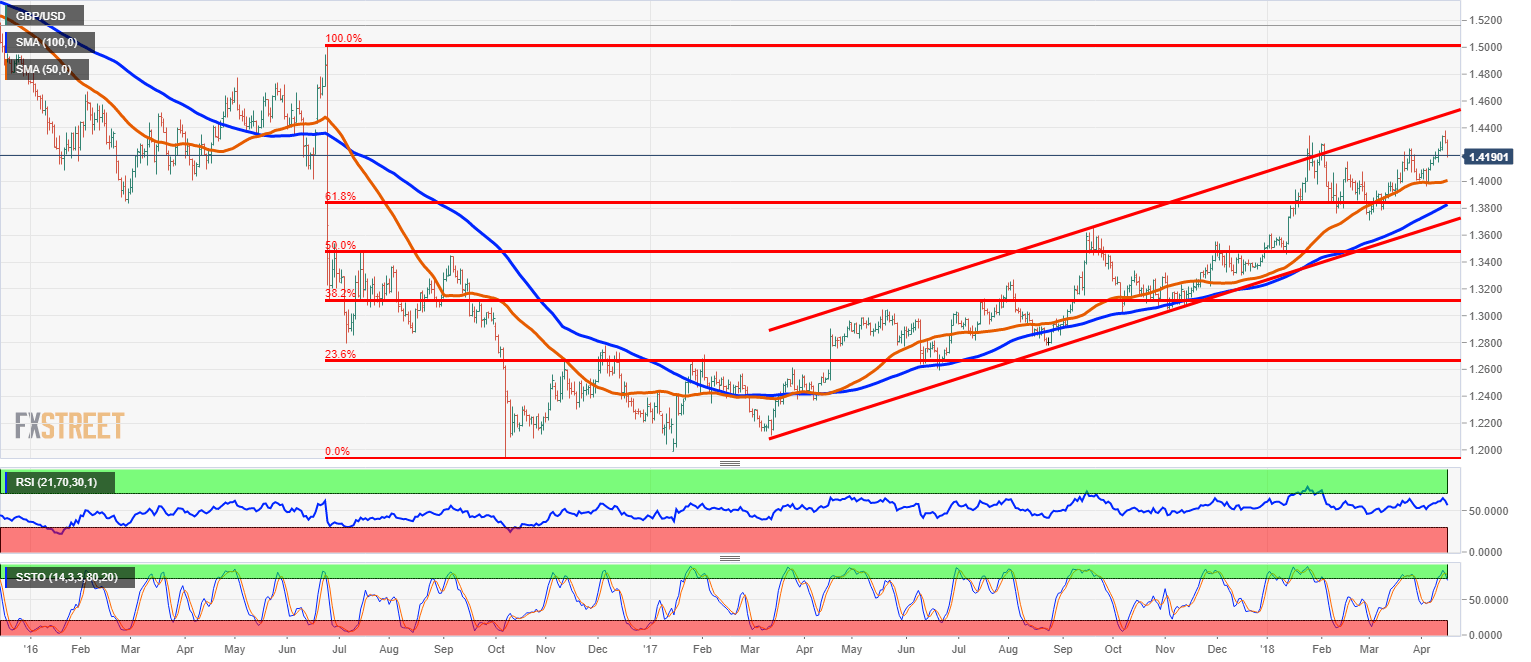
Looking at the long-term perspectives recent knock-out of GBP/USD off the 22-month high is just a technical correction within a long-term trend of Sterling’s appreciation.
GBP/USD daily chart
Author

Mario Blascak, PhD
Independent Analyst
Dr. Mário Blaščák worked in professional finance and banking for 15 years before moving to journalism. While working for Austrian and German banks, he specialized in covering markets and macroeconomics.