Buy on Monday, sell on Thursday?

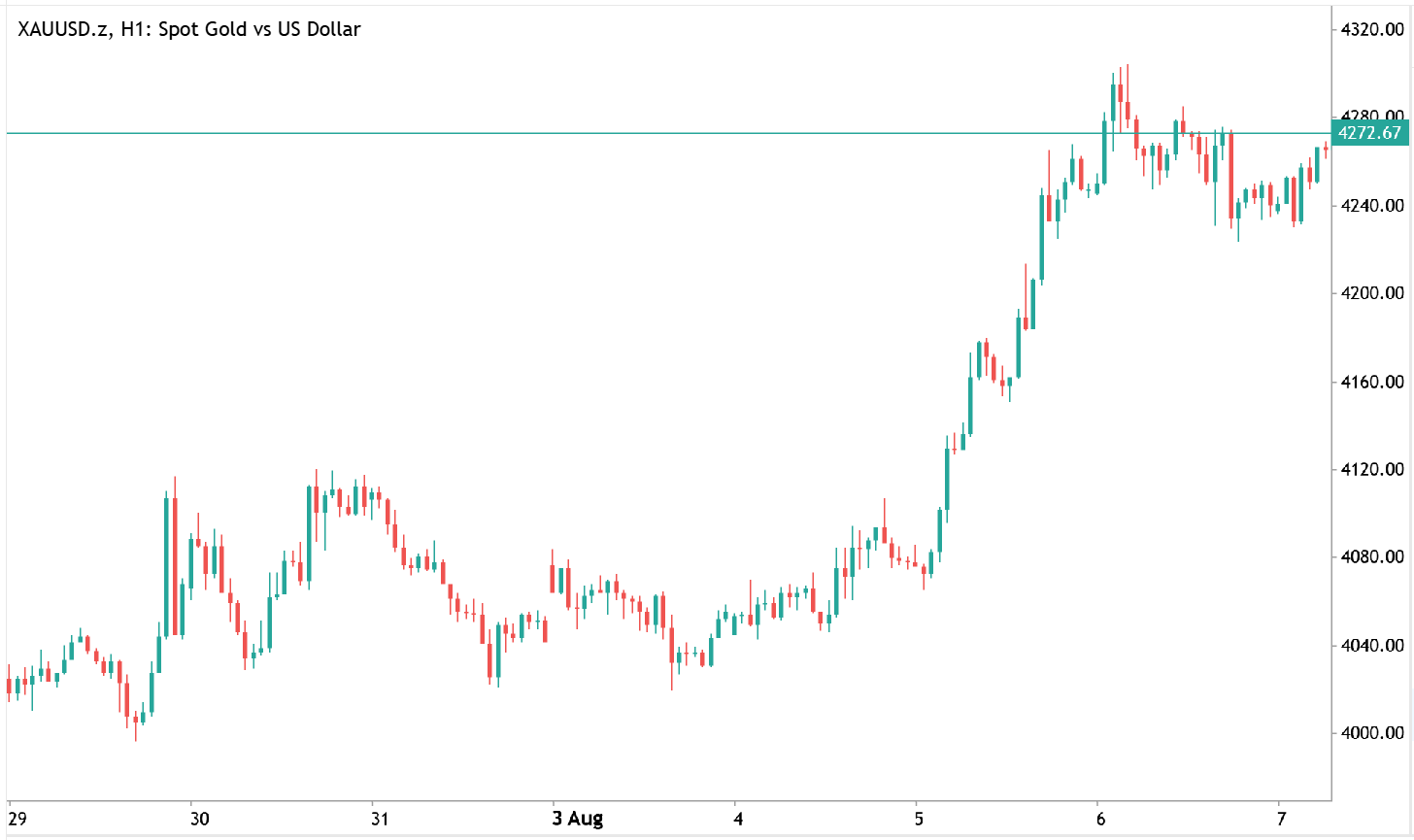
Markets rallied early in the week on optimism in the Middle East, but have fallen since as clarity on a deal remains elusive. Buyers of gold's dip below $4,000 have been rewarded for their patience. A drop of 13% in SpaceX's stock price on higher-than-expected capital expenditures, despite more bold predictions from CEO Musk. Confirmation of US coordination in supporting JPY, but not via the expected currency pair; with half of the gains already given back, has it worked and what is the next move? Nonfarm Payrolls tonight will require a Goldilocks reading if it is to further boost equity markets. Read on for more details, and a preview of what will move markets next week.
To do: Buy Japanese Yen (JPY) $5-10 bil
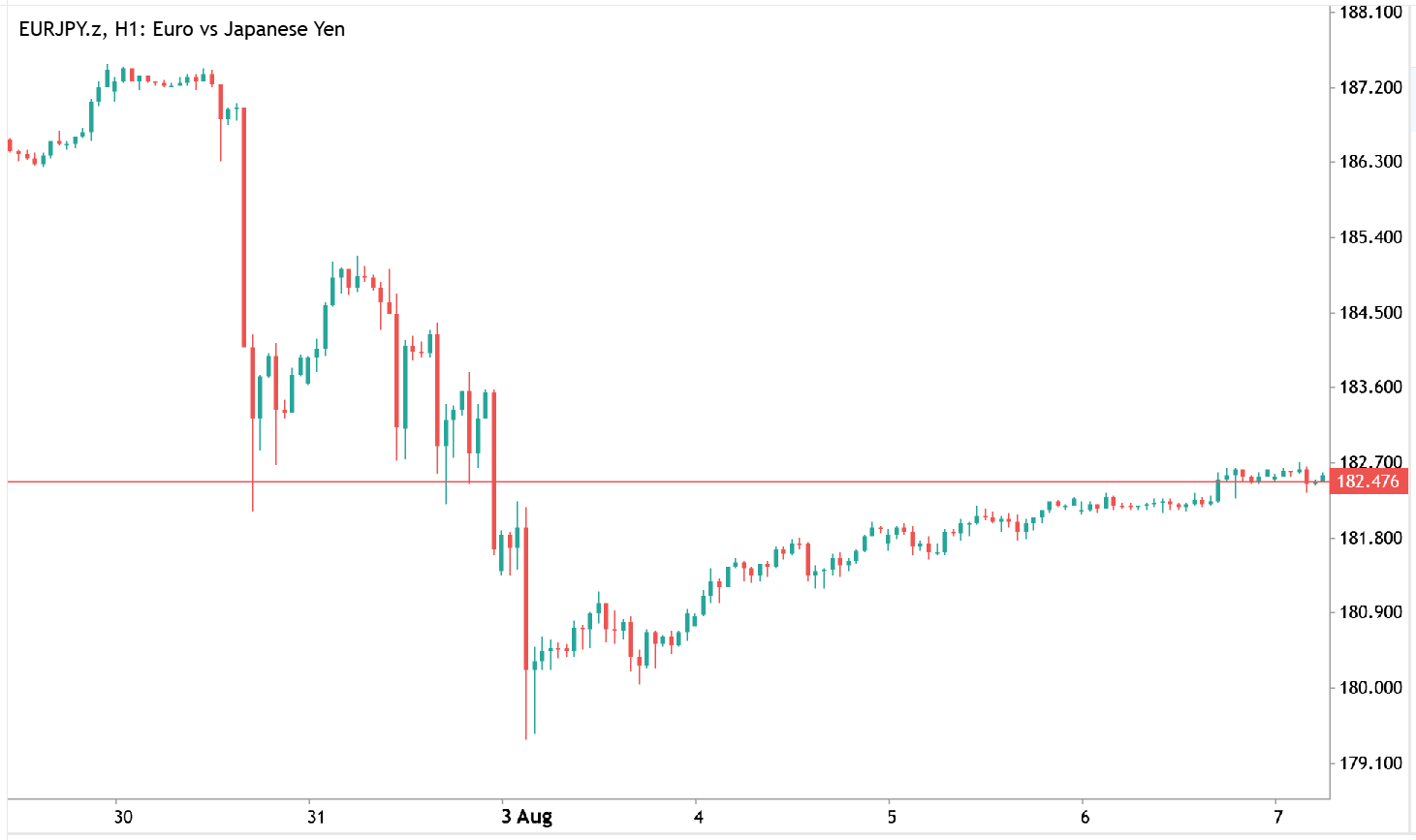
So said the handwritten note in front of US treasury secretary Scott Bessent at Camp David last week. Traders may well remark that it is a peculiar way of writing such a memory-jogger, particularly for someone as experienced in currency trading as Bessent. Let's not forget he ran the team at Soros Fund Management that made over $1billion on the GBP collapse way back in 1992. But whether or not the note was performative in this instance, the US treasury did indeed intervene to support the yen for the first time since the 2011 earthquake. News has emerged today that the fact that the US sold EURJPY came as a surprise to Christine Lagarde and the ECB. The use of the relatively small amount of EUR held by the US Exchange Stabilization Fund, rather than the more obvious USDJPY pair, is being described as unprecedented. Avoiding the use of USD in the transactions in turn avoids any signal of a desire for a lower dollar from the Treasury.
Once again though, while the supportive actions coordinated by the US and Japan caused notable intraday moves and short-term relief for the yen, it appears that further intervention will be required to seriously interrupt the broad downward trend. Any intervention is fighting the macro tides: the ongoing conflicts in the Middle East, interest rate differentials and historically high Japanese debt. As such, half of the shift in USDJPY last week has already been given back. While not yet formally confirmed, indications are that Japan's MOF bought around $37 billion of JPY in the most recent intervention. Coordination with the US and Korea has been confirmed, will it take cooperation from the ECB in the next round for more lasting impact?
"Moving along very nicely"
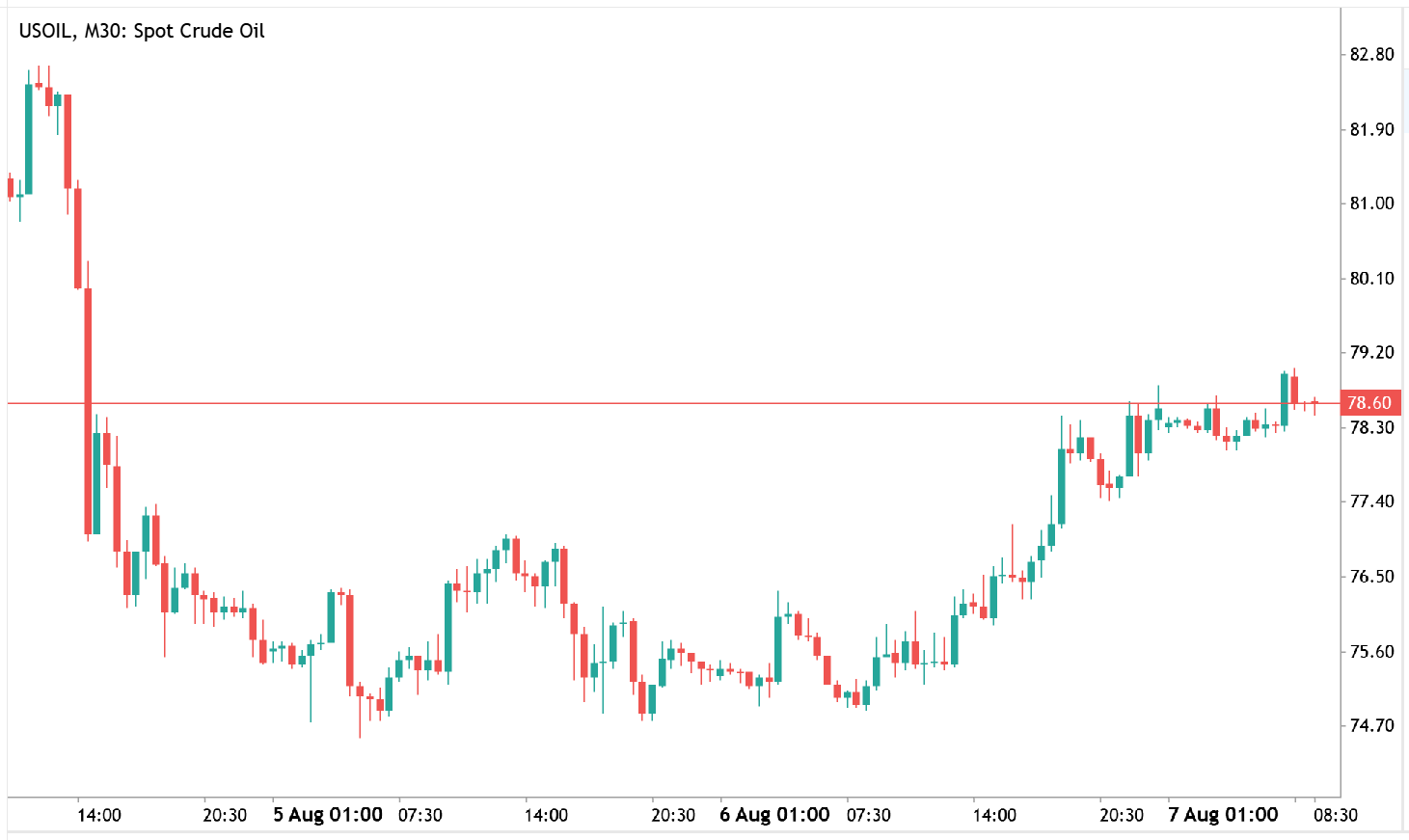
While certainly not disrespecting by any means the gravity of the situation in the Middle East, it is frankly becoming tiresome for observers to follow what has become a pattern repeating over and over. In blunt terms that cycle is: Trump claims that a deal has been reached, Iran denies that a deal has been reached, Trump threatens action over the weekend, threatened action does not come, rinse and repeat. Investors grow worried as the weekend approaches and take money off the table, causing markets to fall back on Thursday and Friday. Investors are then relieved on Monday, causing markets to rally through the early part of the week. Broadly speaking, the pattern has been maintained again this week. Claims from DJT that "things are moving along very nicely" are now being scrutinised as the weekend nears, as details of any supposed agreement have once more not been revealed. Energy markets have reacted in kind, crude oil (USOIL) pushing higher overnight on an ongoing lack of clarity on when and how the Strait of Hormuz is likely to reopen. Bonds have also in turn fallen back, as rate expectations adjust accordingly. One thing that is different this week though is the relative strength of metals; gold has broken out of its recent range and reduced its correlation with risky assets.
Next week
Tuesday brings the RBA rate decision. Last month was a hold, following three straight previous hikes. While Governor Bullock did state that inflation was still significantly too high, another hold is odds-on this month. On Wednesday we get the ever-important CPI reading from the US. Last month’s index came in softer than expected, easing hike expectations. July’s headline is expected to drop further from 3.5% to 3.4%.
US earnings season winds down. Notable releases include Cisco, CoreWeave and JD.com. Go well out there.
Author

Scott Redford
Fintrix Markets
Through his 14 years in the industry, Scott has managed risk for a number of the world's biggest brokers, including IG and Pepperstone.

















