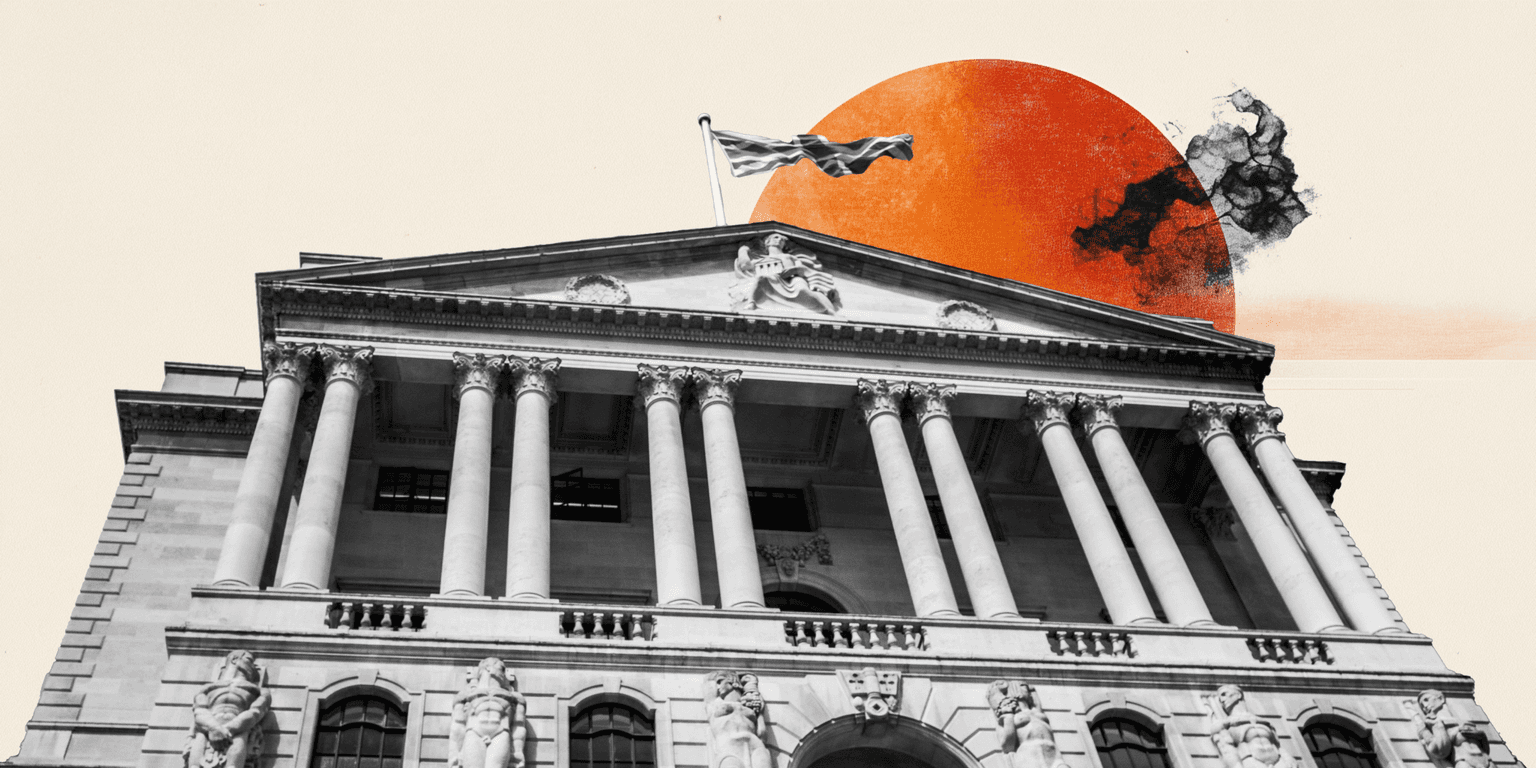
Brexit: a timely excuse for the Fed for the rest of 2016?
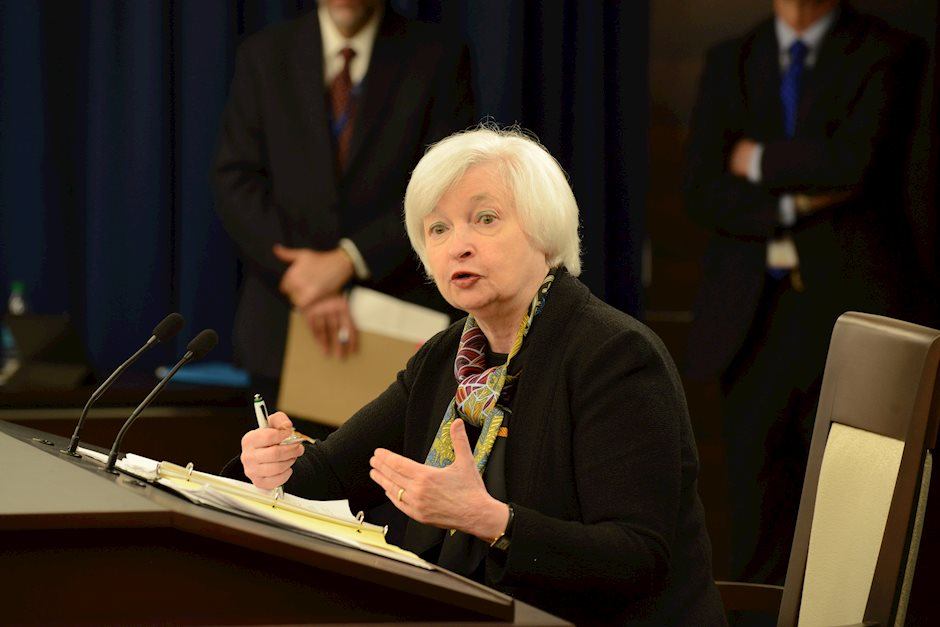

So the Fed has started their two-day meeting and we await their announcements tomorrow. If there are any people left expecting the Fed to act, they are the minority.

Source: iStock
The Fed hyped up these summer months earlier this year as an appropriate time to hike interest rates, but it is evident that the Fed are realizing that the economic conditions of the U.S. and indeed the rest of the world do not warrant such action and the DXY is well off its 2016 highs still albeit in a slight recovery as risk-off markets and volatility has picked up this week.
Brexit: a timely excuse for the Fed
There are a number of areas that the Fed have explained as being problematic for a recovery, but the Brexit was one of the things that they were concerned about. Now the polls are showing that a Brexit is coming more and more likely and this is one of the excuses that the Fed could be using in their defense by saying that they are more concerned about internationally factors and risks rather than the state of their own economy.

Source: Free Images
What all countries need are less government, more freedom and prosperity and while under the union, European nations get quite the opposite. But, I am not trying to pedal the leave campaign here, although confidence in the Eurozone is dramatically becoming more of a concern to the Fed I'm sure and these extra uncertainties will likely give the Fed convenient reasons to hold off for the foreseeable future.
But, really, what are these reasons and what difference would a rate hike in the US really make should Britain decide to leave the EU?
That is very unclear and complicated, which is why the Fed would not want to rock the apple cart, as they themselves are unclear on what kind of impact Britain leaving the EU would ultimately have on the US and global economy. There are a number of causes for concern though, but I personally feel that the reality of the situation is actually a lot less problematic that one should be concerned for in the short-term at least, while of course markets will be jittery and will likely overreact to such a scenario over the short-term. However, the longer term complications are probably something to be concerned for, but for now, the Fed will use Brexit as an excuse to hold off, and I think many market participants have still not cottoned on to that, and will start pricing in a July hike instead for some reason that I can't fathom.

Source: Free Images
However, for now, I am on the side of former governor of the Bank of England, Mervyn King. He denounced the Brexit and Remain campaigns recently saying that both sides are making ‘wildly exaggerated claims' and are insulting the intelligence of voters. Lord King was never in favour of the euro and what was interesting is that he also said Britain would have been in a much worse position had it joined the monetary union, but added that had Britain joined that could have been the start to the collapse of the single currency which would have left Europe in a better position today. It is a similar notion that I would put forward in respect to the 2007 crises that had the banks been able to fail, the global economy would be in a much better position today, but I digress.
More EU referendums to come
However, more concerning is that a Brexit vote may also set a precedent for other European Union states holding referendums on their membership in the European Union over years to come, and that is where the longer term risks reside. The US has a large exposure to the UK and EZ with many US across a wide variety of sectors that have made large investments in the EU over many years, while the US economy has derived around 10% of global foreign affiliate profit from the United Kingdom since 2000.

Source: Free Images
American companies and Investors that have exposure to European banks and credit markets may be affected by credit risk and these European Banks are at new 52 week lows at the moment. In fact, they are even lower than they were at the 2009 post Leaman Brothers financial crises lows while real interest rates are negative in many parts of Europe and can't get much lower with the ECB running out of options. So this is another concern that the Fed must be feeling, knowing that the US financial sector cannot be too far behind the catastrophe that is unfolding across the Atlantic. There is definitely a backbeat to the Fed that will be carried by the speed of sound, catching up with the status quo eventually and all will be revealed in time to come.

Source: iStock
The Yen, dangerously close to a key technical break out that threatens the 100 handle vs the dollar to the downside, is a tell-tale sign of how the markets are preparing for a negative outcome in the global economy, concluding that no matter how hard the Central Banks and governments try to restore confidence in the systems that are failing, their policies have been notably defective to date.
The Fed can use the pending possibility of a Brexit to hold off at this June meeting as a rate hike would only add to potential complications that the US corporate sector could face in an unstable EZ. But, what markets are not factoring in is that the Fed can keep using the excuse that should Britain leave for at least the rest of 2016. If Britain does vote to leave and should the government stand by the population's vote to do so, then by EU law, Britain will likely remain in the EU up to two years while negotiating various new terms of trade, credit and legislation.

Source: iStock
So, a Brexit is not a one-day event that will be put aside after the vote because it will take time to come to fruition and that is something that the Fed will need to consider for the next year or so. Meanwhile, sterling should remain under pressure on the back of speculation that the BoE may need to reduce interest rates on a Brexit, which would not necessarily be a bad thing for the UK economy nor UK exporters.
FXStreet's Federal Reserve interest rate decision preview:
Author
Ross J Burland
FXStreet
Ross J Burland, born in England, UK, is a sportsman at heart. He played Rugby and Judo for his county, Kent and the South East of England Rugby team.