Bank of Japan Preview: No surprises expected, looking at July
- It is expected that the Bank of Japan will make no changes to its monetary policy settings on Friday.
- Governor Ueda mentioned last week that the central bank should continue with "monetary easing patiently."
- USD/JPY has returned to a familiar range after a spike; any surprise decision could boost the Yen.
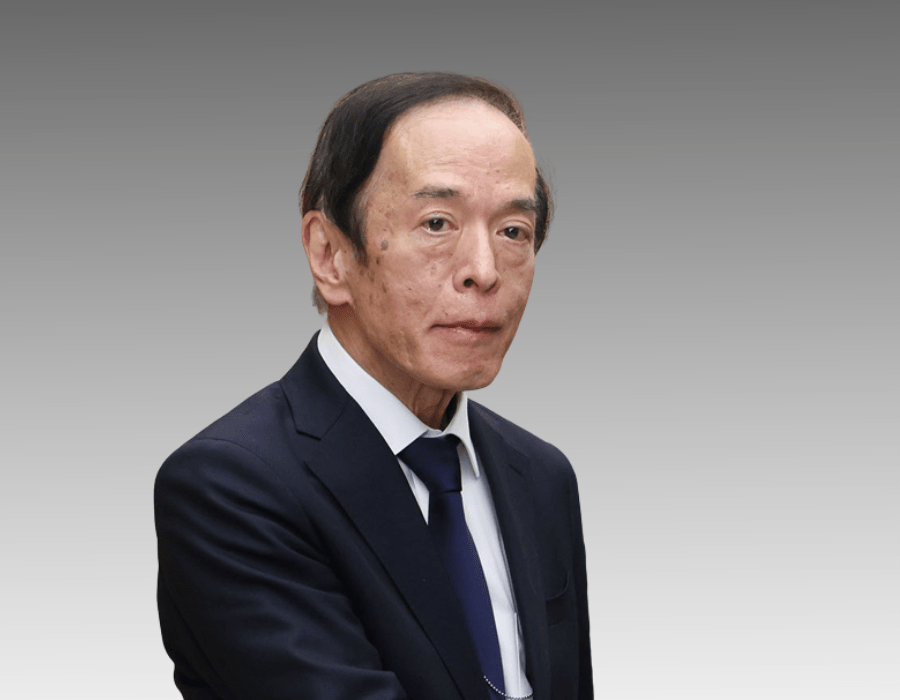
The Bank of Japan (BoJ) will announce its monetary policy decision on Friday, June 16. The policy decision will be announced tentatively at around 03:00 GMT; later Governor Kazuo Ueda will hold a press conference.
Governor Ueda has, since taking office, expressed a preference for continuing with the current monetary policy stance. Last week, he said that the Bank of Japan should continue with "monetary easing patiently." He also warned that there is a greater risk in exiting accommodative policy too soon rather than staying for too long. His comments weighed on the Japanese Yen as they pushed the market to pare back bets about a potential tweak or change at this week's meeting.
Markets expected the BoJ to maintain its ultra-easing policy at the June meeting. The risk of a surprise emerges from the fact that consumer prices are rising above the central bank's expectations. The current policy is centered on the Yield Curve Control (YCC), under which the BoJ targets the 10-year government bond yield at 0.5%, above or below zero, and short-term interest rates at -0.1%.
Analysts see a potential tweak more likely in July when the central bank will have revised economic projections. If inflation expectations are revised higher, that could prompt a YCC tweak. The odds of a change rise above 50% by October.
There is some possibility of a change in BoJ’s stance sooner considering that the Core Consumer Price Index has stayed above 3% for two quarters. Also, wage growth is expected to surpass 3%. At the same time, economic growth has been positive during the first quarter. All those numbers offer arguments for those seeking some change, which could start with a small step like widening the YCC on Friday. It would be a surprise. The last time the central bank made a surprise was back in December when it tweaked the Yield Curve Control by increasing it to +/-0.50%.
Governor Ueda's press conference will be watched closely. If the BoJ keeps its stance, analysts will look for clues about a potential change. In the case an announcement is made, then his words would be even more important. Ueda will also be asked about the inflation outlook and expectations.
Yen ahead of the decision
The Japanese Yen arrives to the meeting under pressure as government bond yields remain around recent highs and also it is affected by the improvement in risk sentiment. The hawkish stance from the Federal Reserve (Fed) and the rate hikes from the European Central Bank (ECB), the Reserve Bank of Australia (RBA) and the Bank of Canada (BoC) show that other central banks continue to tighten monetary policy to curb inflation. The Bank of Japan is in a different place, and the divergence is weighing on the Yen.
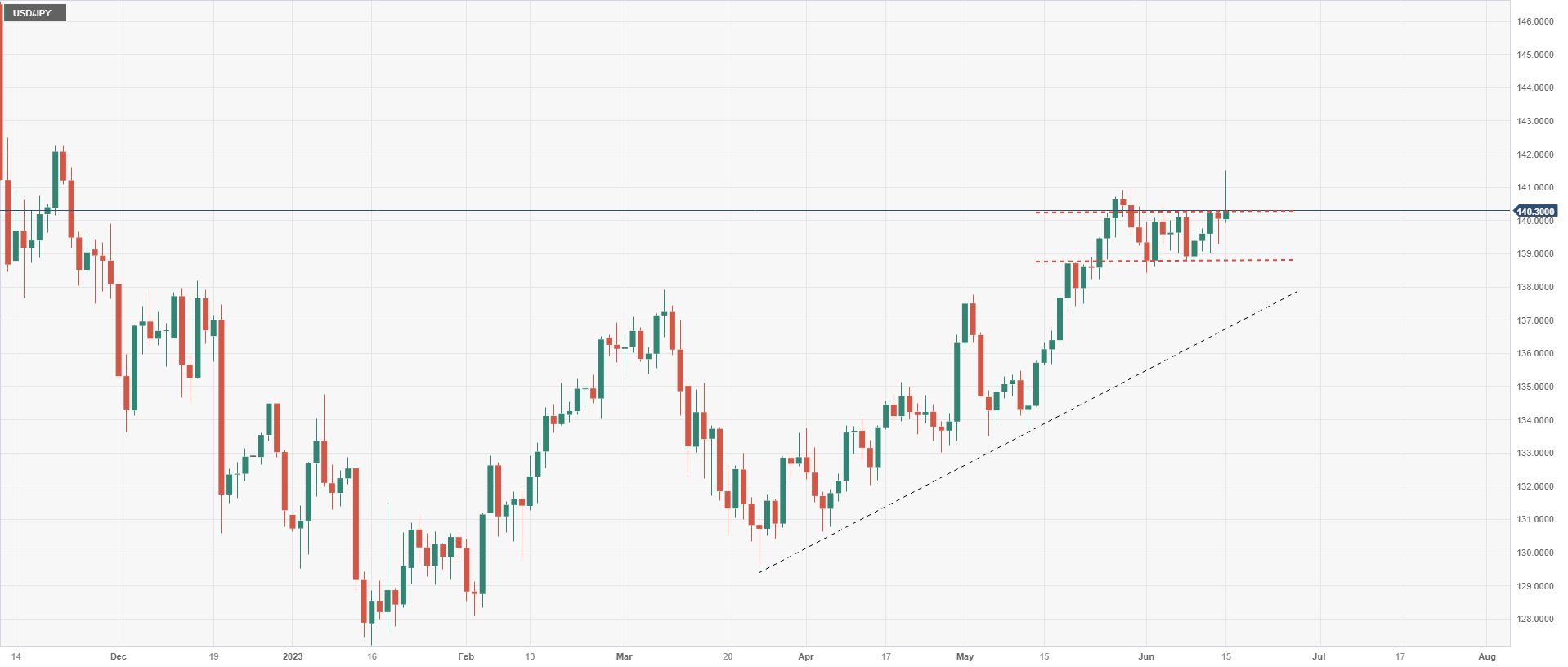
Any signs of the Bank of Japan exiting its ultra-loose monetary policy will be positive for the Yen; actually, it would be very positive and could mark the beginning of a medium-term rally for the Yen. USD/JPY reached a seven-month high on Thursday near 141.50, the day after the FOMC meeting and the ECB decision. Later, the pair pulled back all the way to the range that has been prevailing since the beginning of the month.
If the BoJ delivers as expected, the pair might continue to trade in the current range. Any clues about a change could trigger an appreciation of the Yen, exposing the crucial support around 138.50. A consolidation below that area should trigger more losses, targeting 137.00. A no-change decision could also push the pair to the upside (modestly). If the pair manages to stay above 140.50, the bullish outlook would be reaffirmed.
Author

Matías Salord
FXStreet
Matías started in financial markets in 2008, after graduating in Economics. He was trained in chart analysis and then became an educator. He also studied Journalism. He started writing analyses for specialized websites before joining FXStreet.















