ASML miss hammers appetite

The big story of yesterday was the disappointing results from the biggest European company, ASML, which sells equipment to chipmakers so that they could build their chips. ASML sales missed estimates and new orders came in way lower than expectations in Q1. They slumped by 60% compared to a quarter earlier. The key markets as US and Taiwan – which buy the most advanced machines - showed signs of weakness whereas China made nearly half of the revenues with less advanced products. ASML shares fell more than 6.5% in Amsterdam, and the results raised a few eyebrows regarding the sustainability of demand from chipmakers and the future of the AI rally. As such, Nvidia – which has become the icon of the AI rally – fell nearly 4% to its 50-DMA, AMD tanked nearly 6%, Intel fell more than 1.5% and TSM retreated 0.55%. TSM is due to report earnings today, and is expected to report a 10% growth in its revenue compared to the same time this year. The company announced better than expected sales last week, remember. There is a chance that the TSM earnings temper the negativity that the ASML results brought on the table yesterday, but if that’s not the case, the earnings season will be long until Nvidia reports in more than a month.
This being said, the most popular chipmakers will be comparing their results to a stellar 2023 and beating overly optimistic expectations could be challenging. Nevertheless, surprises could come from companies that massively invested in AI over the past year – like Google and Meta – and the latter could change the texture of the AI rally, and shift the attention from companies that provide the AI tools like semiconductors and cloud businesses to companies that invested in AI solutions and that should shortly start seeing return on their AI investments. In this context, the AI rally might not be over just yet, but the top two could change hands.
Zooming out, the S&P500 extended losses below the 50-DMA, the tech stocks led losses. Nasdaq 100 fell more than 1.20%. Besides TSM, Netflix is also due to release its own Q1 results today after the bell. Subscription growth in key markets – which saw a decent boost over the past two quarters following the password sharing ban – may have slowed. Netflix trades 12% lower than its historical high of November 2021 and under the pressure of rising US yields due to a more hawkish stance from the Federal Reserve (Fed). Soft earnings could accelerate the downside correction.
Not that strong?!
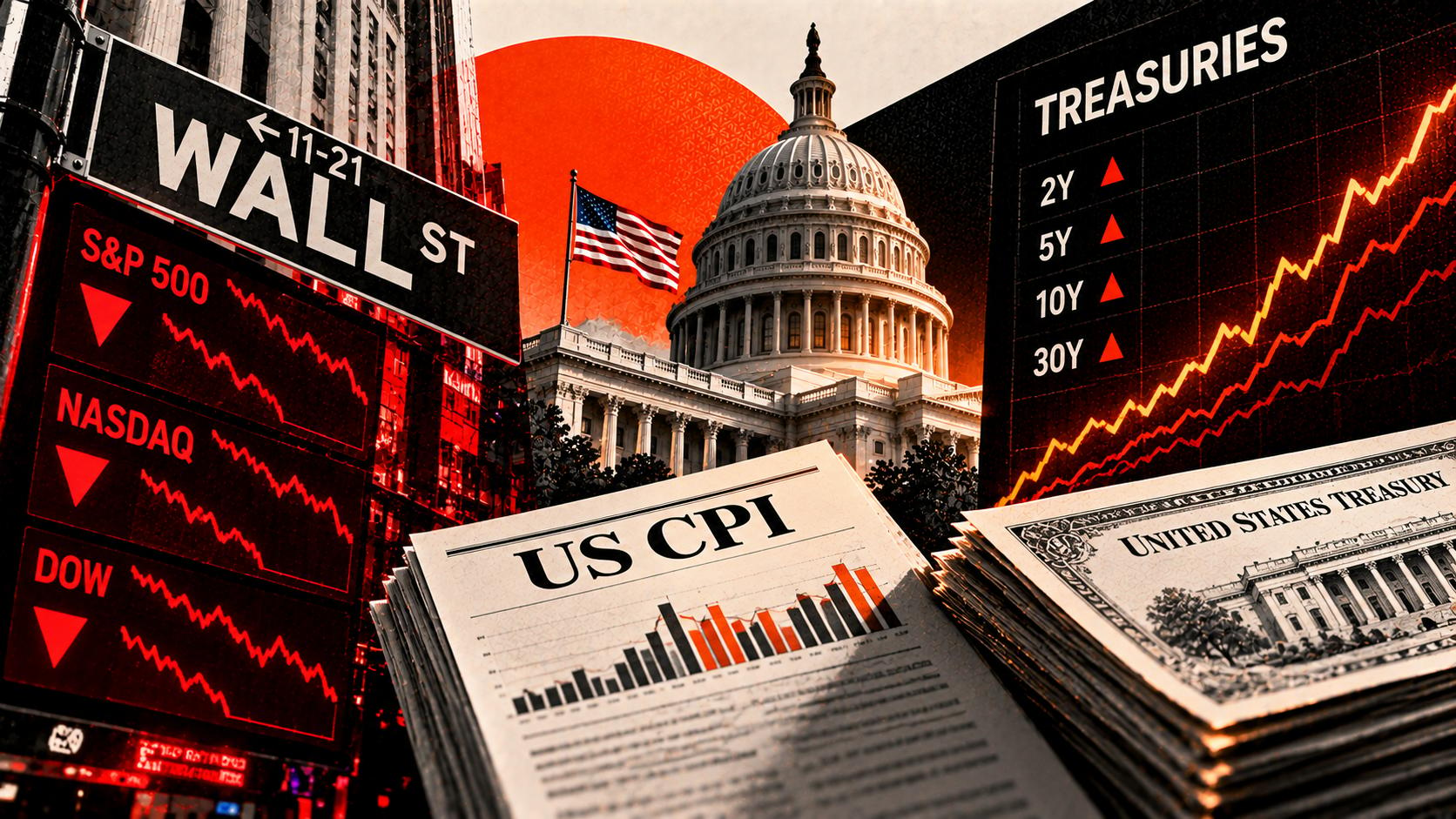
US treasuries rebounded yesterday, shrugging off a part of the hawkishness following Fed Chair Jerome Powell’s hawkish words the day before. The US 2-year yield fell after testing the 5% for the 3rd time in five sessions. Citi said that investors are wrong to cut their Fed rate cut expectations and that the surprisingly strong economic growth could stall. To support that, the Fed’s Beige Book noted that the US economy expanded ‘slightly’ since late February, and that ‘price increases were modest, on average’. Nonetheless, it’s hard to bet that there will be a rate cut from the Fed in a few weeks. Markets now anticipate just one or two rate cuts from the Fed, and the first rate cut is given more than 50% chance not before the September meeting.
The hawkish Fed expectations support a stronger US dollar, but the authorities around the world are not happy to see the US dollar rally. In a joint statement, US Treasury Secretary Janet Yellen, the Japanese and South Korean finance ministers highlighted the ‘serious concerns’ regarding the depreciation of the Japanese yen and the Korean won against the greenback. The Japanese reiterated their commitment to slow the yen selloff. But the yen bears need more than just words to let go off their bearish bets. The USDJPY is still above the 154 level this morning.
Elsewhere, the EURUSD and Cable rebounded yesterday on the back of a broad retreat in the US dollar. Inflation in the Eurozone fell in line with expectations while Cable benefited from a lower retreat in the British inflation figures released yesterday morning. But despite a slight disappointment, British CPI fell in March and fell below the US rate for the first time since 2022. Even though yesterday’s numbers put the idea that the Bank of England (BoE) would cut its rates before the Fed at jeopardy, inflation in Europe and Britain show evidence of easing, for now. Energy prices and the US dollar appreciation are the major risks to the inflation’s downward path in Europe but there is a chance that both central banks cut their rates before the Fed. This is especially true for the European Central Bank (ECB) which is giving clear signals that the first rate cut is coming in June. Therefore, traders will likely chase top selling opportunities in the EURUSD and Cable to trade the divergent stance from the Fed versus the ECB and the BoE as long as inflation in the latter continue to ease.
Oil falls but upside risks prevail
The US crude fell below $83pb yesterday as the US oil inventories increased more than expected last week. Oil is under pressure this morning but the bears are not in a comfortable setup. The Biden administration reimposed sanctions on Venezuelan oil after a six-month pause as they considered that Nicolas Maduro’s government didn’t keep its promise to have fairer elections in July. And in the Middle East, Hezbollah attacked a village in Northern Israel and injured 14 soldiers. Israel is also willing to respond to last weekend attacks. As such, the tense geopolitical landscape should throw a floor under the oil selloff. A solid support is seen near the $80pb psychological level, which also coincides with the major 38.2% Fibonacci retracement.
Author

Ipek Ozkardeskaya
ipekScope
Ipek Ozkardeskaya began her financial career in 2010 in the structured products desk of the Swiss Banque Cantonale Vaudoise. She worked in HSBC Private Bank in Geneva in relation to high and ultra-high-net-worth clients.