WTI trims a part of strong gains to its highest level sine October, still well bid around $77.00
- WTI attracts strong follow-through buying amid worries about tightening global supply.
- Technical buying above the very important 200-day SMA contributes to the momentum.
- Hawkish Fed expectations underpin the USD, which might cap gains for Crude Oil prices.
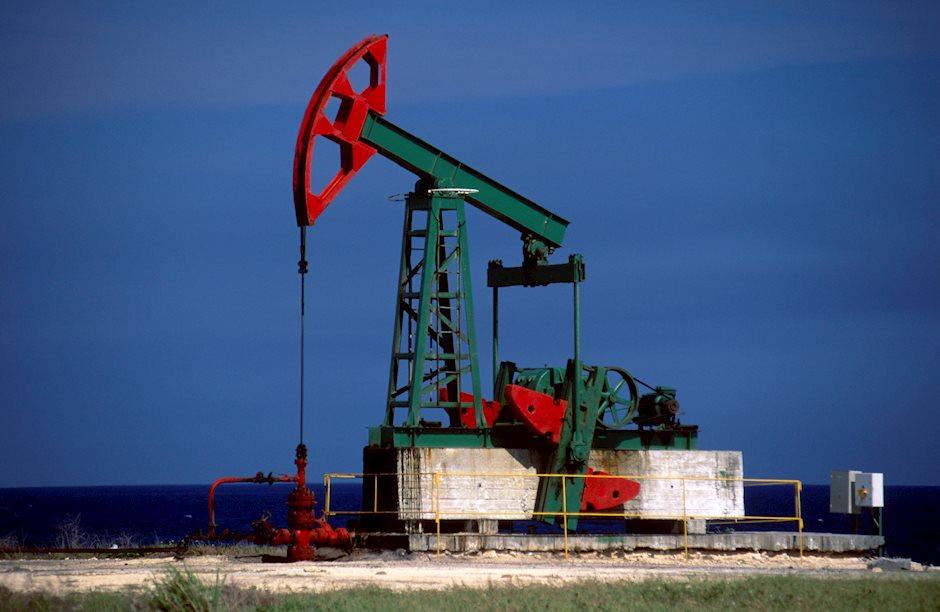

West Texas Intermediate (WTI) US Crude Oil prices build on Friday's strong move up and gain follow-through positive traction for the third straight day on Monday. The upward trajectory remains uninterrupted through the first half of the European session and lifts the commodity to the $77.60 area, or its highest level since October 8 in the last hour.
The US imposed tougher sanctions against Russia's oil industry, targeting nearly 200 vessels of the so-called shadow fleet and fueling worries about tighter supplies. Adding to this, speculations that US President-elect Donald Trump's administration may tighten sanctions against flows from Iran in the coming months turn out to be key factors that continue pushing Crude Oil prices higher at the start of a new week.
Apart from this, the ongoing positive momentum could further be attributed to technical buying following Friday's acceptance above the very important 200-day Simple Moving Average (SMA) for the first time since August 2024. That said, a slightly overbought Relative Strength Index (RSI) on the daily chart might hold back bullish traders from placing fresh bets around Crude Oil prices and cap any further appreciation.
Moreover, sustained US Dollar (USD) buying, bolstered by hawkish Federal Reserve (Fed) expectations, could act as a headwind for the USD-denominated commodity. Investors now seem convinced that the US central bank will pause its rate-cutting cycle later this month and the bets were reaffirmed by the upbeat US Nonfarm Payrolls (NFP) report on Friday. This keeps the US Treasury bond yields elevated and underpins the USD.
WTI Oil FAQs
WTI Oil is a type of Crude Oil sold on international markets. The WTI stands for West Texas Intermediate, one of three major types including Brent and Dubai Crude. WTI is also referred to as “light” and “sweet” because of its relatively low gravity and sulfur content respectively. It is considered a high quality Oil that is easily refined. It is sourced in the United States and distributed via the Cushing hub, which is considered “The Pipeline Crossroads of the World”. It is a benchmark for the Oil market and WTI price is frequently quoted in the media.
Like all assets, supply and demand are the key drivers of WTI Oil price. As such, global growth can be a driver of increased demand and vice versa for weak global growth. Political instability, wars, and sanctions can disrupt supply and impact prices. The decisions of OPEC, a group of major Oil-producing countries, is another key driver of price. The value of the US Dollar influences the price of WTI Crude Oil, since Oil is predominantly traded in US Dollars, thus a weaker US Dollar can make Oil more affordable and vice versa.
The weekly Oil inventory reports published by the American Petroleum Institute (API) and the Energy Information Agency (EIA) impact the price of WTI Oil. Changes in inventories reflect fluctuating supply and demand. If the data shows a drop in inventories it can indicate increased demand, pushing up Oil price. Higher inventories can reflect increased supply, pushing down prices. API’s report is published every Tuesday and EIA’s the day after. Their results are usually similar, falling within 1% of each other 75% of the time. The EIA data is considered more reliable, since it is a government agency.
OPEC (Organization of the Petroleum Exporting Countries) is a group of 12 Oil-producing nations who collectively decide production quotas for member countries at twice-yearly meetings. Their decisions often impact WTI Oil prices. When OPEC decides to lower quotas, it can tighten supply, pushing up Oil prices. When OPEC increases production, it has the opposite effect. OPEC+ refers to an expanded group that includes ten extra non-OPEC members, the most notable of which is Russia.
Author
Haresh Menghani
FXStreet
Haresh Menghani is a detail-oriented professional with 10+ years of extensive experience in analysing the global financial markets.