WTI recovers to mid-$57s in post-settlement trade after API data
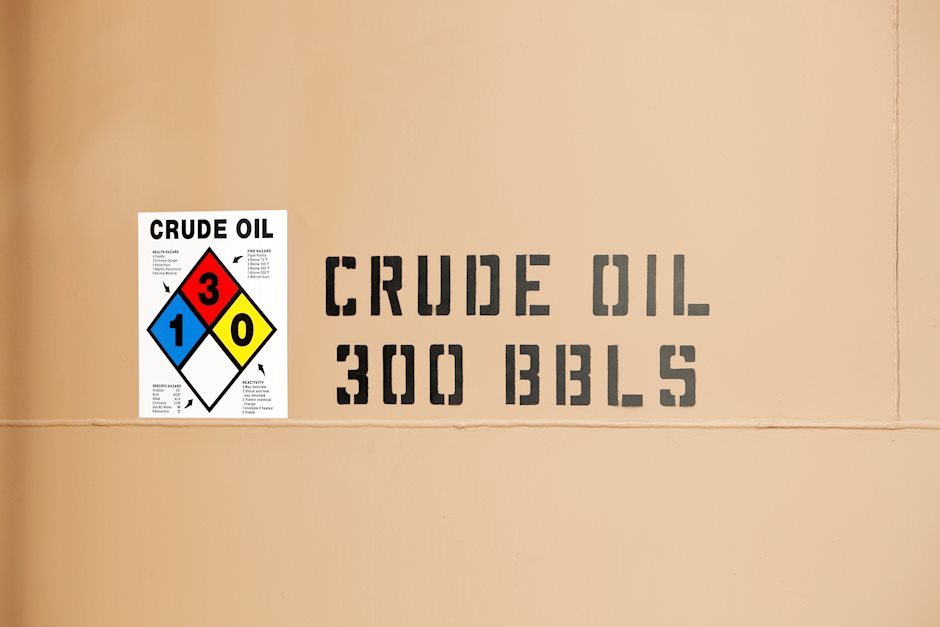

Crude oil prices retraced a portion of the daily losses after the API data showed a larger-than-expected draw in crude oil stocks in the United States. As of writing, the barrel of West Texas Intermediate was trading at $57.50, still down 0.8% on the day.
"Crude inventories fell by 7.4 million barrels in the week to Dec. 8 to 444.4 million, compared with analysts' expectations for a decrease of 3.8 million barrels. Crude stocks at the Cushing, Oklahoma, delivery hub fell by 2.7 million barrels, refinery crude runs fell by 47,000 barrels per day, API data showed," Reuters reported recently.
To the reports of the Forties pipeline system getting shut down for several weeks in order to repair some cracks, crude oil prices reacted positively as investors became alarmed on possible supply disruptions. However, rising prices also created an opportunity to take some profit off the table and didn't allow the uptrend to sustain. The WTI-Brent spread advanced to its highest level in more than two years near $7 and John Kilduff, partner at Again Capital LLC, explained Reuters that this was definitely a sign of profit-taking in the recent long positions.
On Wednesday, the EIA is going to release its weekly oil report, in which the crude oil stock is expected to drop by 3.78 million barrels following last week's 5.6 million barrels drawdown. A higher-than-expected decrease could help oil prices to extend their recovery. On the other hand, an unexpected build-up is likely to weigh further on the barrel of WTI.
Technical levels to consider
WTI could encounter the first technical hurdle at $58.50 (daily), ahead of $59 (Nov. 24 high) and $60 (psychological level). On the downside, supports could be seen at $56.85 (daily low), $55.80 (Dec. 8 low) and $55 (psychological level/Nov. 16 low).
Author
Eren Sengezer
FXStreet
As an economist at heart, Eren Sengezer specializes in the assessment of the short-term and long-term impacts of macroeconomic data, central bank policies and political developments on financial assets.