When is the UK Parliamentary vote and how could it affect GBP/USD?

UK Parliamentary vote overview:
As the sands of time run out, Prime Minister Theresa May's Brexit plan failed to get through The House of Commons and she suffered a devastating defeat by a record majority of 230 in the long-awaited ‘meaningful vote’.
This sparked a leadership challenge by opposition leader Jeremy Corbyn which May won, freeing her up to continue with her plan B, which essentially means that if she cannot resolve areas of the plan that The Commons will not back, she is prepared to take the negotiations with the EU to the wire and leave the EU on the 29th March without a trade deal agreed with the EU by default - Many MPs are looking for ways to stop that from happening and that is what today is all about - Parliament is seeking ways to use its powers to take control of Brexit and set a path forward.
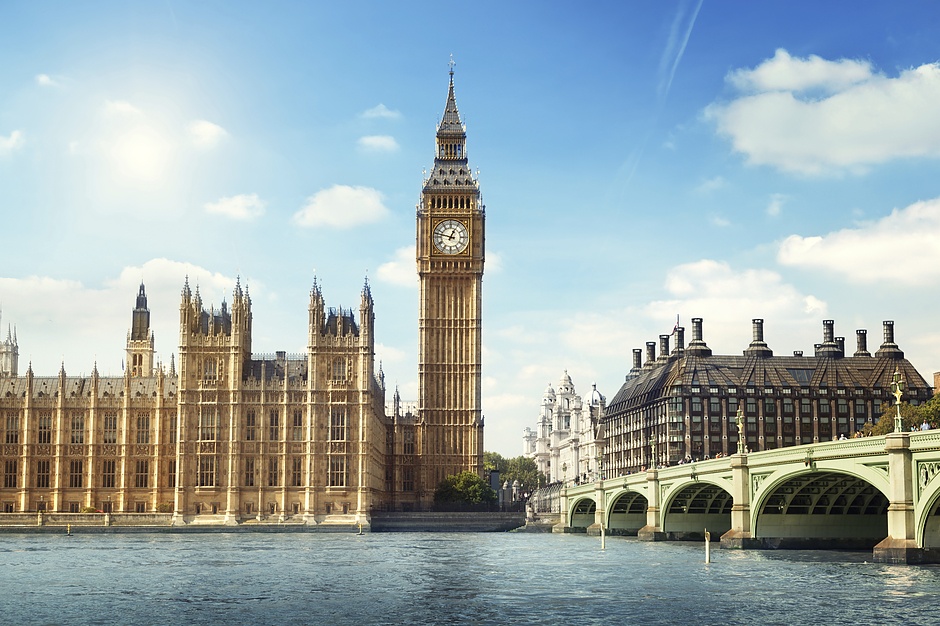
UK parliament is preparing to vote on several amendments today at 7 PM GMT to Theresa May's "Plan B".
The main focus is likely to be with the Cooper amendment. If it is passed, it would be a game-changer, insulating Britain from the economic shock of an uncontrolled departure - The so-called no-deal Brexit.
The Cooper amendment would allow time for the UK to avoid crashing out of the EU without a deal, giving it a very good chance of being carried IF selected for a vote by the Commons Speaker. There is plenty of cross-party support for it so is well placed to be carried, although there has been some criticism of the amendment given the length of time proposed that Article 50 would be extended - nine months. This could be seen as simply kicking the can down the road' and a betrayal of the UK's electorate - a failure to respect the result of the 2016 referendum.
A Labour party source said:
“The Cooper bill could give MPs a temporary window to agree on a deal that can bring the country together. We will aim to amend the Cooper bill to shorten the possible article 50 extension.”
Another key focus will be on the backstop which has proved to be the toughest issue to resolve in negotiating Britain's exit from the European Union. The backstop is essentially an assurance, that if all else fails, the border between Southern Ireland and Northern Ireland/UK, is currently free from infrastructure, will remain so and open. London, Brussels, Dublin and Belfast all want it to stay frictionless, in order to keep the peace between Northern Ireland and the South that has been enjoyed ever since 10th April 1998, by something called the Good Friday Agreement (or Belfast Agreement) that was signed and which helped to bring to an end a period of conflict in the region called the Troubles. British and Irish army checkpoints along the border were removed after the 1998 Good Friday Agreement that had been a hard target for terror attacks. However, making this compatible with Brexit still needs to be squared away.
MPs hope to be able to vote on an amendment put down by the senior Tory backbencher Graham Brady that calls for the unpopular Irish backstop to be removed from the Brexit deal Theresa May negotiated with the EU. However, the EU is not prepared to agree to this and rejecting the backstop altogether means no deal and it would be absurd if it were to be backed.
However, May is expected to urge MPs to support the Brady amendment, which “requires the Northern Ireland backstop to be replaced with alternative arrangements to avoid a hard border”, so that she has some weight to go back to Brussels and try to negotiate with them on the backstop - Half a dozen or so Tory remainers are thought unlikely to support it - who are of the mind the EU will not budge on the backstop . Labour’s frontbench is also unlikely to support the Brady amendment, but some of the party’s backbenchers have indicated that they would be in support of it, including the pro-Brexit MPs John Mann and Jim Fitzpatrick - and there lies the deadlock.
How will the vote affect GBP/USD?
- GBP/USD Forecast: Sterling on a back foot ahead of Brexit Plan B debate
- Brexit deal amendments set to boost Sterling further
"As far as the currency is concerned, we remain cautious on GBP as hope for a positive outcome appears priced in our view. We maintain that cable lookstoppish ahead of 1.3200/50 and we think risk/reward is skewed to the downside. A knee-jerk reaction sees its rally extend a bit further, particularly if the Cooper amendment passes, but near-term positioning risks point to a correction. Support should form at the 200-day near 1.3050,"
analysts at TD Securities argued.
As said before, the real nuts and bolts to all of this are whether a no-deal Brexit can actually be taken off the table without revoking Article 50. The BoE is not going to raise rates until there is an outcome one way or another and that should keep a lid on the pounds upside, for now, or even for the rest of this year - We will know more and be able to gauge timings better after today's results.
"If other MPs cannot coalesce behind an alternative option, then even an extension of the Article 50 process would be insufficient to avoid an eventual no-deal exit. Moreover, as time passes and both the government and businesses continue with their no-deal preparations, the ultimate net cost of a no-deal exit would gradually decline, potentially making it more likely further down the line,"
analysts at Standard Chartered explained.
Key notes:
- GBP/USD Forecast: Sterling on a back foot ahead of Brexit Plan B debate
- Brexit deal amendments set to boost Sterling further
- GBP/USD: Profit taking ensued during PM May's Plan B presentation to Parliament
-
GBP/USD Technical Analysis: Cable hit a new daily low ahead of UK parliamentary debate on Brexit Plan B
About UK Parliamentary vote on Brexit Plan B:
The UK Parliament will decide whether the UK PM May's Brexit Plan B is valid or not. In the case the Parliament don't approve it, chances of a hard Brexit will increase exponentially.
Author
Ross J Burland
FXStreet
Ross J Burland, born in England, UK, is a sportsman at heart. He played Rugby and Judo for his county, Kent and the South East of England Rugby team.