USD/MXN ends year testing 19.60, Mexican peso among top performers
- MXN losses less than 1% against US Dollar in 2018, gains versus most EM currencies.
- USD/MXN ends consolidating at 1-month lows, testing 19.60 support area.
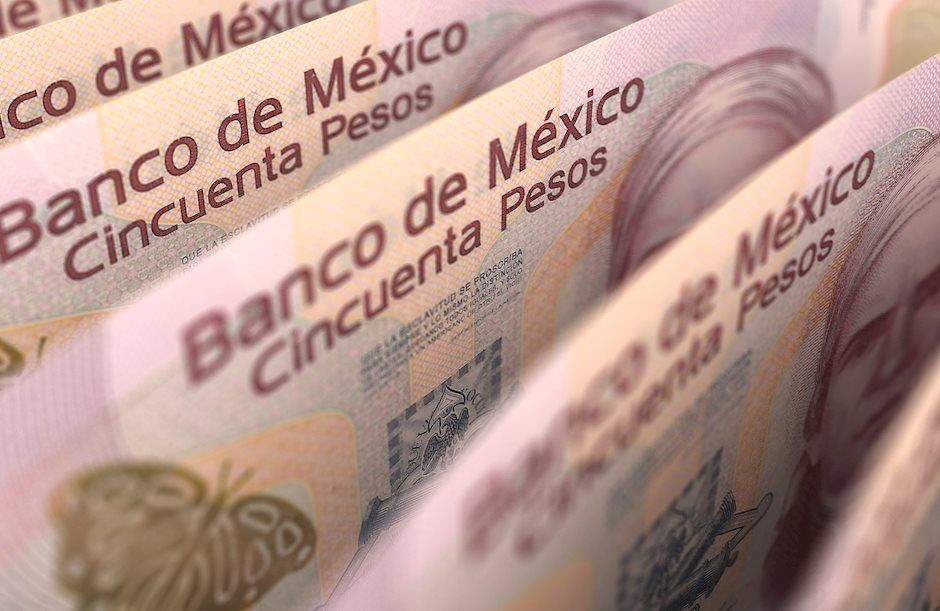

The Mexican peso is about to end the year with a very slight decline against the dollar, but with a favorable outlook from a technical point of view and at the highest since early November. Since Friday, the USD/MXN pair remains stable, just above 19.60, validating MXN gains after posting on Friday, the fourth consecutive weekly slide.
In 2018, the Mexican peso, although it lost ground against the dollar, was one of the best performers among emerging market currencies. The fact that USD/MXN is about to post a gain of less than 1% with respect to a year ago, is a factor that can be considered positive for the Mexican currency, taking into account what happened over 2018: currency crisis in Argentina and Turkey, worst year for many equity markets since 2008 (the Mexican stocks exchange index lost more than 15%), sharp slide in crude oil prices and Andrés Manuel López Obrador succeeded Peña Nieto as President of México.
The Mexican peso received some support from rate hikes at Banxico and the “not so negative for markets” presidential transition. The plans and policies of the new administration area likely to have a significant impact on Mexican assets during 2019.
The worst currencies in the region
In Latin America, the Mexican peso rose the most and appreciated on all fronts. At the other extreme (without taking into account the Venezuelan currency), was the Argentine peso that lost 50% of its value in dollars. The exchange rate (USD/ARS) rose 100% in the year going from 18 to 36 and made inflation in Argentina surpass 40%. The dollar also appreciated significantly in Russia and Turkey, 21% and 39% respectively. The Turkish lira towards the end of the year staged an important recovery. In Brazil, the dollar rose 17% and in Chile 12%, reaching levels not seen in years.
Many events already point to significant uncertainty for 2019 in the region. Economic growth continues to be slow, in Brazil on January 1st, Jair Bolsonaro will become president, there will be presidential elections in Argentina, Chilean President Piñera will try to implement a series of significant reforms, and in Venezuela, the economic crisis aims to worsen. All factors add to a challenging global context. In the US, the year will begin with a government shutdown that is likely to continue for weeks, which may be a preview of what lies ahead.
Author
Matías Salord
FXStreet
Matías started in financial markets in 2008, after graduating in Economics. He was trained in chart analysis and then became an educator. He also studied Journalism. He started writing analyses for specialized websites before joining FXStreet.