USD/JPY plunges to near 151.50 as US Dollar corrects further
- USD/JPY dives to near 151.50 as the US Dollar’s correction extends further.
- The US Dollar refreshes weekly low ahead of the US PCE inflation data for October.
- The BofA sees the pair heading into a longer-term bearish trajectory.
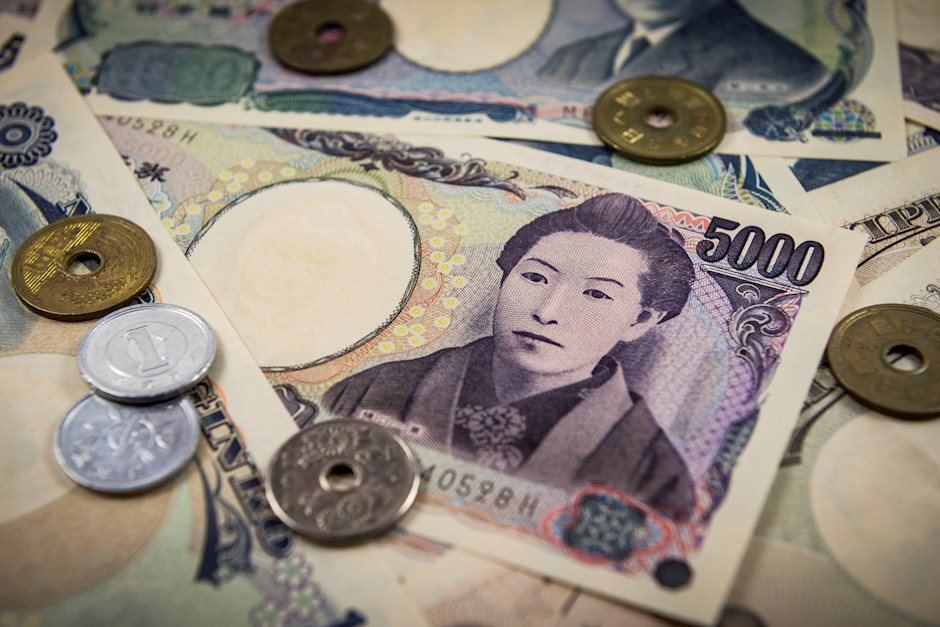

The USD/JPY pair is down around 1%, plummets to near 151.50 in European trading hours on Wednesday. The asset plunges as the US Dollar (USD) extends its correction triggered as market participants anticipated Scott Bessent, United States (US) President-elect Donald Trump’s nomination for Treasury Secretary, will maintain fiscal discipline and political steadiness despite focusing on fulfilling Trump’s economic agenda.
The US Dollar Index (DXY), which gauges the Greenback’s value against six major currencies, posts a fresh weekly low near 106.30. Scott Bessent said that he would focus on lowering the budget deficit through spending cuts and enacting tariffs with a “layered in gradually” approach. A move that won’t result in a significant increase in inflation than feared.
Meanwhile, the Bank of America (BofA) advises caution against picking short-term Japanese Yen (JPY) strength as it sees the currency drifting into a longer-term bearish trajectory. The BofA said that policies such as increased tariffs and tighter immigration controls from the incoming US administration could trigger a risk-off environment, initially supporting the yen. However, it anticipates a correction in early 2025 and projects the USD/JPY pair to rise to 160.00 by the end of 2025 on expectations that long-term capital flows from Japan to the US will accelerate in the second half of 2025 due to their deregulatory measures.
Going forward, investors will focus on the US Personal Consumption Expenditure Price Index (PCE) data for October, which will be published at 15:00 GMT. The PCE report is expected to show that headline and core price pressures accelerated on year, while monthly figures grew steadily.
Japanese Yen FAQs
The Japanese Yen (JPY) is one of the world’s most traded currencies. Its value is broadly determined by the performance of the Japanese economy, but more specifically by the Bank of Japan’s policy, the differential between Japanese and US bond yields, or risk sentiment among traders, among other factors.
One of the Bank of Japan’s mandates is currency control, so its moves are key for the Yen. The BoJ has directly intervened in currency markets sometimes, generally to lower the value of the Yen, although it refrains from doing it often due to political concerns of its main trading partners. The BoJ ultra-loose monetary policy between 2013 and 2024 caused the Yen to depreciate against its main currency peers due to an increasing policy divergence between the Bank of Japan and other main central banks. More recently, the gradually unwinding of this ultra-loose policy has given some support to the Yen.
Over the last decade, the BoJ’s stance of sticking to ultra-loose monetary policy has led to a widening policy divergence with other central banks, particularly with the US Federal Reserve. This supported a widening of the differential between the 10-year US and Japanese bonds, which favored the US Dollar against the Japanese Yen. The BoJ decision in 2024 to gradually abandon the ultra-loose policy, coupled with interest-rate cuts in other major central banks, is narrowing this differential.
The Japanese Yen is often seen as a safe-haven investment. This means that in times of market stress, investors are more likely to put their money in the Japanese currency due to its supposed reliability and stability. Turbulent times are likely to strengthen the Yen’s value against other currencies seen as more risky to invest in.
Author
Sagar Dua
FXStreet
Sagar Dua is associated with the financial markets from his college days. Along with pursuing post-graduation in Commerce in 2014, he started his markets training with chart analysis.

















