USD/JPY drops below 149.00 as Fed keeps rate steady, signals September rate cut
- USD/JPY extends its decline to nearly 148.90 in Thursday’s Asian session.
- US Fed held its key lending rate steady at its July meeting on Wednesday, but flags cuts 'as soon as' September.
- The BoJ raised interest rates to levels unseen in 15 years.
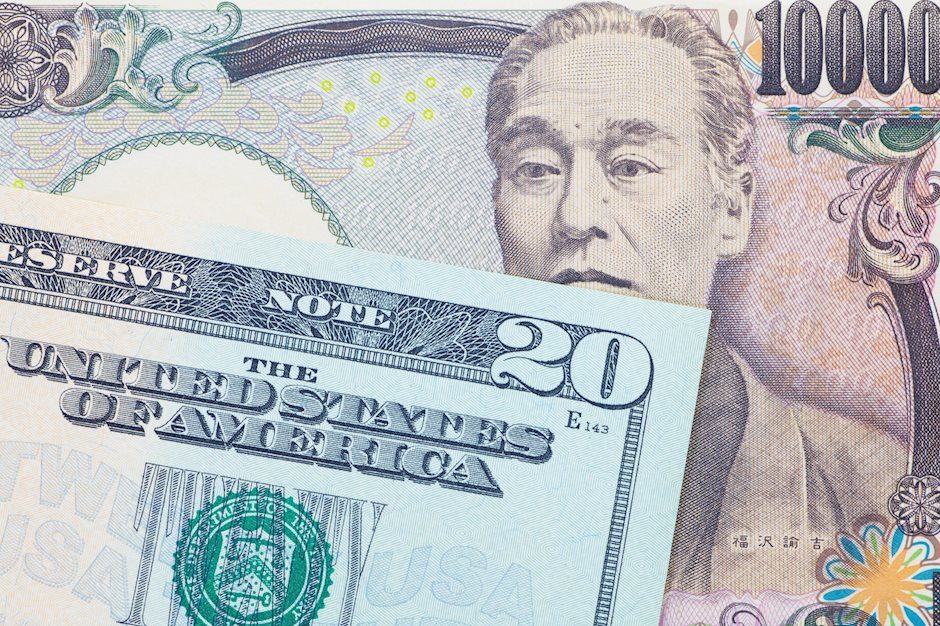

The USD/JPY pair faces some selling pressure and drops below the 150.00 psychological level during the Asian session on Thursday. The pair currently trades around 148.90, down 0.71% on the day. The dovish stance of the Federal Reserve (Fed) and the surprising rate hike by the Bank of Japan (BoJ) weigh on the pair. Later in the day, traders will monitor the US Manufacturing PMI data for July, along with the weekly Initial Jobless Claims.
After two days of deliberations, the Fed decided to leave its key lending rate unchanged between 5.25% and 5.50% on Wednesday. However, Fed Chair Jerome Powell said during the press conference that the first interest rate cut could come "as soon as" the Fed's next rate meeting in September if the data "continue to point to kind of the direction we would want to see.”
The rising bet of the Fed rate cut is likely to drag the Greenback lower against the Japanese Yen (JPY). Futures traders are now pricing in a 100% possibility that a September cut is coming, according to the CME FedWatch Tool.
On the other hand, the BoJ raised the short-term policy rate to 0.25% from 0-0.1%, the largest since 2008. Additionally, the Japanese central bank stated that it will taper the Japanese government bonds to about 3 trillion yen ($19.64 billion) per month in the January to March 2026 quarter.
The BoJ Governor Kazuo Ueda did not rule out another rate hike this year. "If the economy and prices move in line with our projection, we will continue to raise interest rates. In fact, we haven't changed much our projection from April. We don't see 0.5% as any key barrier when raising rates.” Said Ueda on Wednesday at his post-meeting news conference. The hawkish tone from the BoJ boosts the Japanese Yen and creates a headwind for USD/JPY.
Japanese Yen FAQs
The Japanese Yen (JPY) is one of the world’s most traded currencies. Its value is broadly determined by the performance of the Japanese economy, but more specifically by the Bank of Japan’s policy, the differential between Japanese and US bond yields, or risk sentiment among traders, among other factors.
One of the Bank of Japan’s mandates is currency control, so its moves are key for the Yen. The BoJ has directly intervened in currency markets sometimes, generally to lower the value of the Yen, although it refrains from doing it often due to political concerns of its main trading partners. The current BoJ ultra-loose monetary policy, based on massive stimulus to the economy, has caused the Yen to depreciate against its main currency peers. This process has exacerbated more recently due to an increasing policy divergence between the Bank of Japan and other main central banks, which have opted to increase interest rates sharply to fight decades-high levels of inflation.
The BoJ’s stance of sticking to ultra-loose monetary policy has led to a widening policy divergence with other central banks, particularly with the US Federal Reserve. This supports a widening of the differential between the 10-year US and Japanese bonds, which favors the US Dollar against the Japanese Yen.
The Japanese Yen is often seen as a safe-haven investment. This means that in times of market stress, investors are more likely to put their money in the Japanese currency due to its supposed reliability and stability. Turbulent times are likely to strengthen the Yen’s value against other currencies seen as more risky to invest in.
Author
Lallalit Srijandorn
FXStreet
Lallalit Srijandorn is a Parisian at heart. She has lived in France since 2019 and now becomes a digital entrepreneur based in Paris and Bangkok.