USD/INR strengthens after Indian WPI inflation data
- The Indian Rupee edges lower in Monday’s early European session.
- The Indian WPI inflation eased to 1.89% in November from 2.36% in October, softer than the 2.2% expected.
- Elevated USD bids, weaker in Asian peers and a dovish tilt in RBI’s monetary policy could undermine the INR.
- Traders will take cues from the US PMI data, which is due later on Monday.
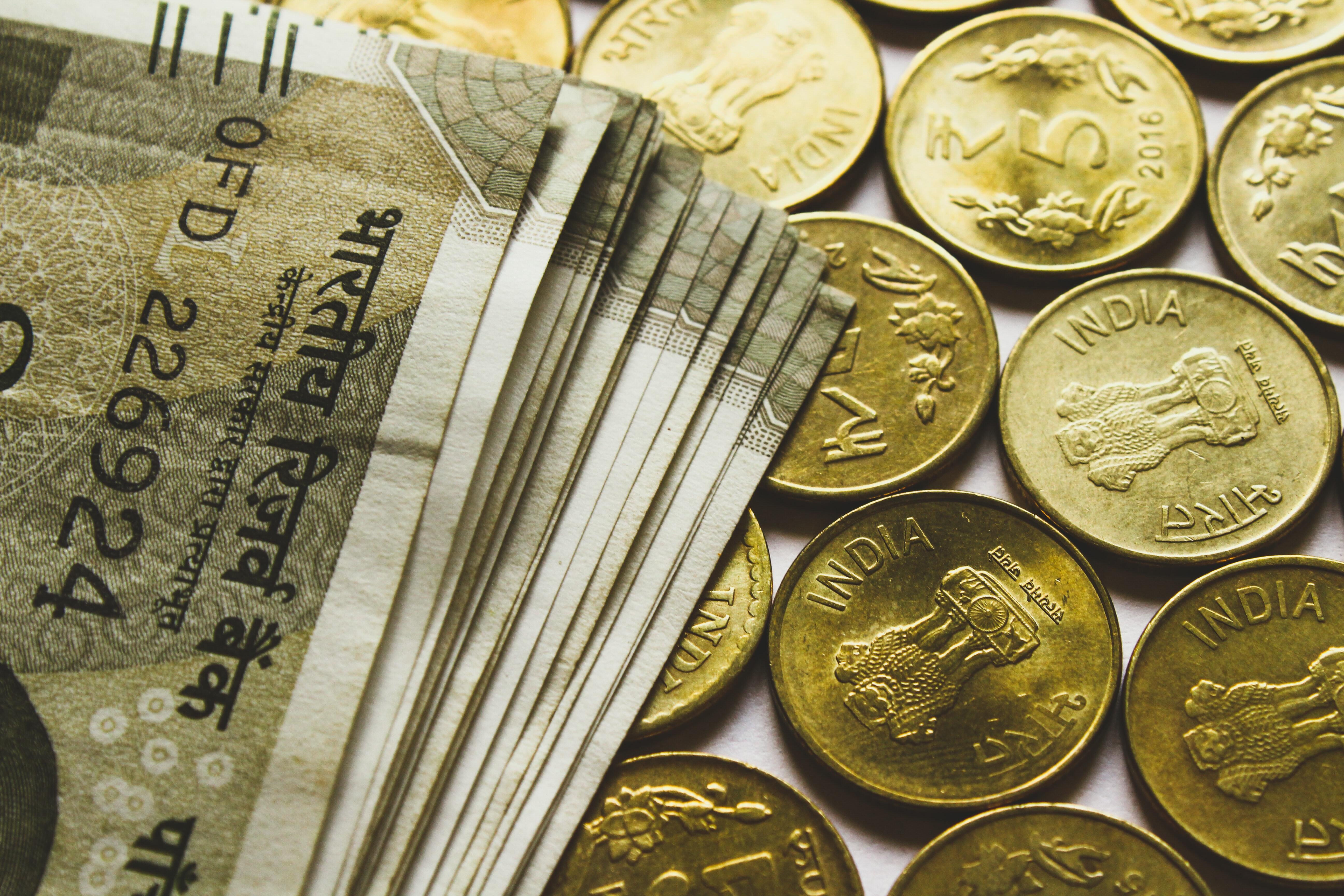
The Indian Rupee (INR) weakens on Monday. Heightened US Dollar (USD) demand in the non-deliverable forwards market and a weaker Chinese Yuan weigh on the local currency. Furthermore, the growing expectations of a dovish tilt in monetary policy following the appointment of a new Reserve Bank of India (RBI) governor could contribute to the INR’s downside.
Data released by the Ministry of Commerce and Industry on Monday showed that the Indian WPI inflation declined to 1.89% in November from the previous reading of 2.36%. This figure came in softer than the expectation of 2.2%. The local currency remains weak in an immediate reaction to the inflation data.
However, the RBI’s routine intervention in the market by selling USD might help limit the INR’s losses. Traders will keep an eye on the preliminary US December Purchasing Managers Index (PMI), which is due later on Monday. The US Federal Reserve (Fed) will deliver its policy decision on Wednesday and investors will monitor its dot plot to assess if the median interest rate projections show a hawkish shift in the Fed's outlook.
Indian Rupee remains vulnerable, pressured by a rally in US Dollar
- The preliminary estimate released by HSBC showed on Monday that the India Manufacturing Purchasing Managers Index (PMI) improved to 57.4 in December from 56.5 in November.
- The Indian Services PMI rose to 60.8 in December versus 58.4 prior and the Composite PMI climbed to 60.7 during the same report period from 58.6 in November.
- "The small rise in the headline manufacturing PMI in December was mainly driven by gains in current production, new orders, and employment," said Ines Lam, economist at HSBC.
- The Indian Rupee depreciated by 1.5% against the US Dollar during the calendar year but outperformed most Asian currencies due to interventions by the Reserve Bank of India (RBI).
- India’s foreign exchange reserves declined by $3.2 billion to a more than five-month low of $654.86 billion as of December 6, the RBI showed on Friday.
- "The change in leadership at the RBI may lead to an initial market assumption that a rate cut in the February policy meeting is more likely," said VRC Reddy, treasury head at Karur Vysya Bank.
- According to the CME FedWatch tool, markets are now almost fully pricing a 25 basis points (bps) cut at the Fed's December meeting, compared with about a 78% chance a week ago.
USD/INR’s positive picture prevails in the longer term
The Indian Rupee trades on a softer note on the day. The USD/INR pair keeps the bullish vibe on the daily chart as the pair is well supported above the key 100-day Exponential Moving Average (EMA). The upward momentum is supported by the 14-day Relative Strength Index (RSI), which is located above the midline near 66.35, suggesting that the path of least resistance is to the upside.
The ascending trend channel and the psychological level of 85.00 act as crucial resistance levels for USD/INR. A break above these levels could spur a rally to 85.50.
On the flip side, the initial support level for the pair is located at 84.75, the lower boundary of the trend channel. Extended losses below the mentioned level could drag USD/INR to the next bearish targets at 84.22, the low of November 25, followed by 84.12, the 100-day EMA.
Inflation FAQs
Inflation measures the rise in the price of a representative basket of goods and services. Headline inflation is usually expressed as a percentage change on a month-on-month (MoM) and year-on-year (YoY) basis. Core inflation excludes more volatile elements such as food and fuel which can fluctuate because of geopolitical and seasonal factors. Core inflation is the figure economists focus on and is the level targeted by central banks, which are mandated to keep inflation at a manageable level, usually around 2%.
The Consumer Price Index (CPI) measures the change in prices of a basket of goods and services over a period of time. It is usually expressed as a percentage change on a month-on-month (MoM) and year-on-year (YoY) basis. Core CPI is the figure targeted by central banks as it excludes volatile food and fuel inputs. When Core CPI rises above 2% it usually results in higher interest rates and vice versa when it falls below 2%. Since higher interest rates are positive for a currency, higher inflation usually results in a stronger currency. The opposite is true when inflation falls.
Although it may seem counter-intuitive, high inflation in a country pushes up the value of its currency and vice versa for lower inflation. This is because the central bank will normally raise interest rates to combat the higher inflation, which attract more global capital inflows from investors looking for a lucrative place to park their money.
Formerly, Gold was the asset investors turned to in times of high inflation because it preserved its value, and whilst investors will often still buy Gold for its safe-haven properties in times of extreme market turmoil, this is not the case most of the time. This is because when inflation is high, central banks will put up interest rates to combat it. Higher interest rates are negative for Gold because they increase the opportunity-cost of holding Gold vis-a-vis an interest-bearing asset or placing the money in a cash deposit account. On the flipside, lower inflation tends to be positive for Gold as it brings interest rates down, making the bright metal a more viable investment alternative.
Author

Lallalit Srijandorn
FXStreet
Lallalit Srijandorn is a Parisian at heart. She has lived in France since 2019 and now becomes a digital entrepreneur based in Paris and Bangkok.

















