USD/CNH trades around 7.00 after paring losses, GDP Annualized awaited
- USD/CNH gained ground following China’s plans for fresh stimulus measures to support its economy.
- China plans to inject over CNY 1 trillion in capital into its largest state banks, which are facing challenges.
- CME FedWatch Tool suggests around a 50% chance of totaling 75 basis points Fed rate cuts in 2024.
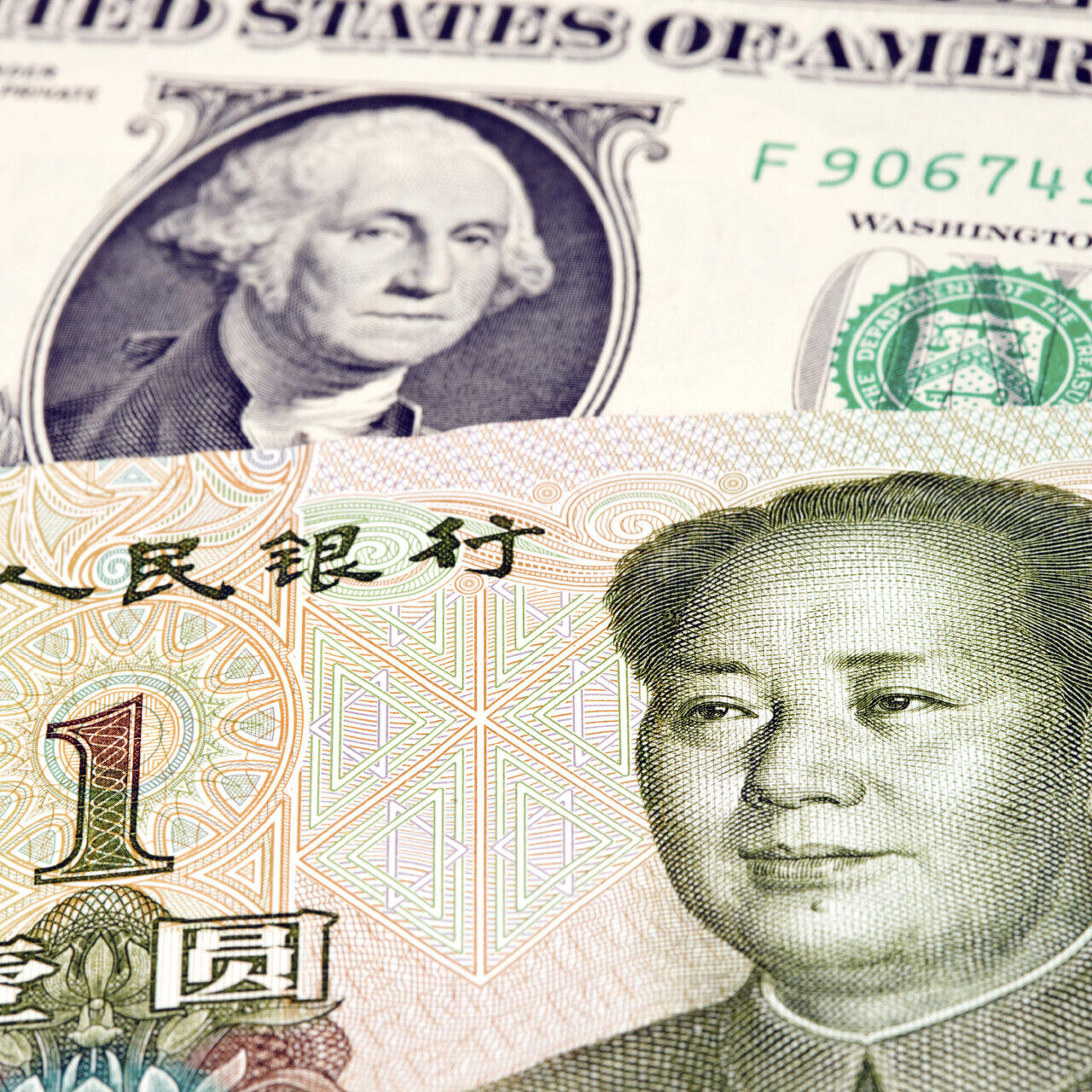
USD/CNH loses ground as China announces plans for additional stimulus measures to bolster its economy, offsetting the diminishing effects of Tuesday’s measures. The USD/CNH pair trades around 7.00 during the European hours on Thursday. The People’s Bank of China (PBoC) set the USD/CNY central rate for the trading session ahead at 7.0354, as compared to the previous day's fix of 7.0202 and 7.0367 Reuters estimates.
China plans to inject over CNY 1 trillion in capital into its largest state banks, which are facing challenges such as shrinking margins, declining profits, and increasing bad loans. This substantial capital infusion would mark the first of its kind since the 2008 global financial crisis.
The US Dollar (USD) receives downward pressure from rising odds of further interest rate cuts by the US Federal Reserve (Fed) in upcoming policy meetings. According to the CME FedWatch Tool, markets are pricing in around a 50% chance of totaling 75 basis points to be deducted by the Fed to a range of 4.0-4.25% by the end of this year.
Federal Reserve Governor Adriana Kugler said on Wednesday that she “strongly supported” the Fed’s decision to cut the interest rates by a half point last week. Kugler further stated that it will be appropriate to make additional rate cuts if inflation continues to ease as expected, per Bloomberg.
Traders will likely observe the release of the final US Gross Domestic Product (GDP) Annualized for the second quarter (Q2) scheduled to be released later in the North American session.
Interest rates FAQs
Interest rates are charged by financial institutions on loans to borrowers and are paid as interest to savers and depositors. They are influenced by base lending rates, which are set by central banks in response to changes in the economy. Central banks normally have a mandate to ensure price stability, which in most cases means targeting a core inflation rate of around 2%. If inflation falls below target the central bank may cut base lending rates, with a view to stimulating lending and boosting the economy. If inflation rises substantially above 2% it normally results in the central bank raising base lending rates in an attempt to lower inflation.
Higher interest rates generally help strengthen a country’s currency as they make it a more attractive place for global investors to park their money.
Higher interest rates overall weigh on the price of Gold because they increase the opportunity cost of holding Gold instead of investing in an interest-bearing asset or placing cash in the bank. If interest rates are high that usually pushes up the price of the US Dollar (USD), and since Gold is priced in Dollars, this has the effect of lowering the price of Gold.
The Fed funds rate is the overnight rate at which US banks lend to each other. It is the oft-quoted headline rate set by the Federal Reserve at its FOMC meetings. It is set as a range, for example 4.75%-5.00%, though the upper limit (in that case 5.00%) is the quoted figure. Market expectations for future Fed funds rate are tracked by the CME FedWatch tool, which shapes how many financial markets behave in anticipation of future Federal Reserve monetary policy decisions.
Author

Akhtar Faruqui
FXStreet
Akhtar Faruqui is a Forex Analyst based in New Delhi, India. With a keen eye for market trends and a passion for dissecting complex financial dynamics, he is dedicated to delivering accurate and insightful Forex news and analysis.