USD/CAD trades in tight range below 1.26
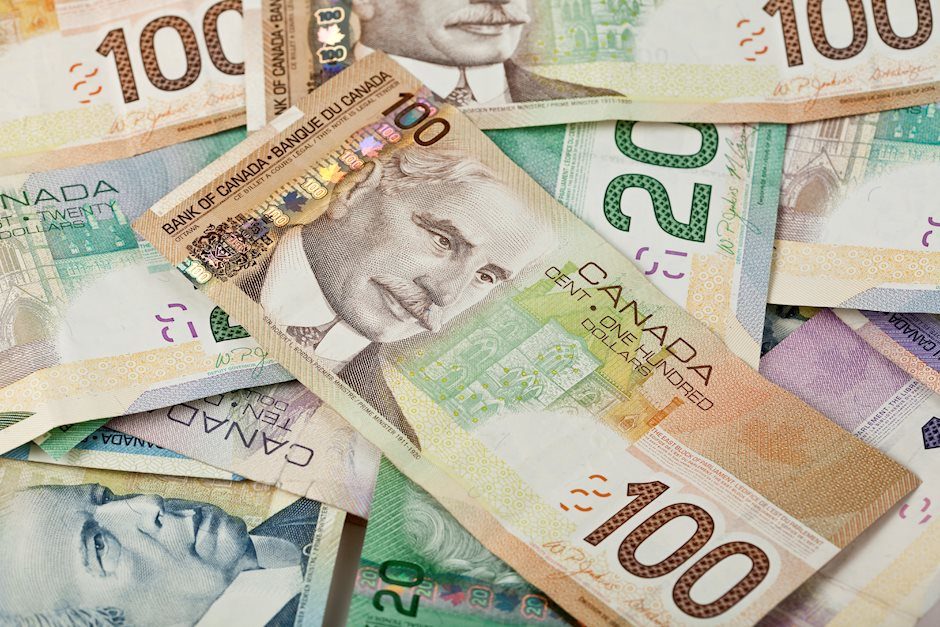

The USD/CAD pair, which failed to hold its modest gains above the 1.26 handle during the day, came under pressure in the early NA session and fell to a new session low at 1.2570. As of writing, the pair was trading at 1.2572, losing 0.12% on the day.
Despite that recent fall, the pair continues to trade in a tight 40 pip range on Monday. Today's data from Canada showed that wholesale sales contracted by 0.5% on a monthly basis in June to $61.4 billion, missing the market estimate of -0.2%. On the other hand, Chicago Fed National Activity Index in the U.S. fell to -0.01 from 0.16 in July. Following that dismal data from the U.S., the US Dollar Index fell to its daily low at 93.15. At the moment, the index is at 93.17, losing 0.2% on the day.
- Canada: Wholesale sales declined 0.5% to $61.4 billion in June
- Chicago Fed: National activity Index points to growth near historical trend in July
Regardless of the greenback weakness, however, the pair's losses remain limited as the crude oil prices struggle to extend their recent earnings. At the moment, the barrel of West Texas Intermediate is trading at $48.40, losing 25 cents, or 0.5%, on the day. Kuwait's Oil Minister earlier claimed that the fact that U.S. crude inventories were falling more than expected was a sign of the success of OPEC and non-OPEC production cuts but his remarks were largely ignored by the participants.
There are no more economic data left in the remainder of the session and the pair is likely to remain in its daily range.
Technical outlook
Short-term technical indicators are suggesting a neutral outlook. The pair could face the initial support at 1.2500 (psychological level) ahead of 1.2460 (May 3, 2016, low) and 1.2415 (Jul. 27 low). On the upside, resistances align at 1.2660 (10-DMA), 1.2730 (50-DMA) and 1.2800 (psychological level).
Author
Eren Sengezer
FXStreet
As an economist at heart, Eren Sengezer specializes in the assessment of the short-term and long-term impacts of macroeconomic data, central bank policies and political developments on financial assets.