US President Donald Trump pivots on tariffs again
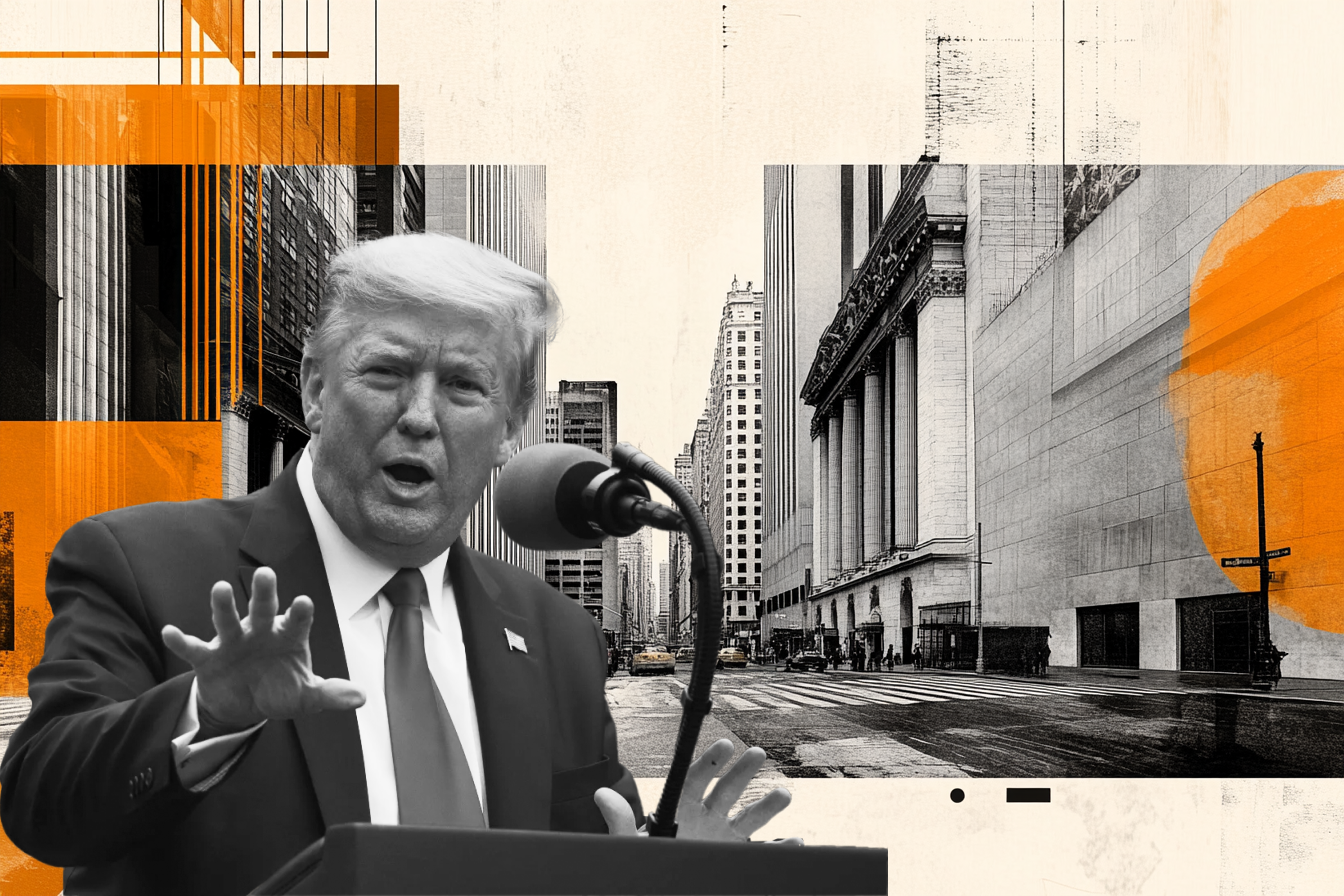
US President Donald Trump hit markets with yet another structural pivot on his tariff agenda, announcing some temporary exemptions for certain sectors, as well as getting his 25% tariffs against Mexico and Canada muddled up with his separate "reciprocal tariff" strategy that is currently slated to come into effect in April. While giving comments to reporters at the White House, President Trump meandered back and forth through several topics.
Details on reciprocal tariffs remain almost entirely absent, other than the Trump administration's insistence that they are definitely happening next month. Donald Trump's haphazard policy approach on whether or not he's imposing tariffs on some of the US' closest trading allies, but then announcing after-the-fact delays or extensions, is leaving many market participants confused about who is actually paying what.
Key highlights
I will announce a new program for shipbuilding soon.
Most tariffs to start April 2nd.
Predominant tariffs will be reciprocal.
Program for building ships will involve incentives.
I am not even looking at the market.
There will be a short term disruption, long term economy very strong.
We can balance the budget next year.
Steel and aluminum tariffs will not be modified, will happen next week.
The big one will happen in April.
Canada and India are high-tariff nations.
We don't need trees, cars, or energy from Canada.
No USMCA exemption for auto tariffs next month.
I will make decision soon on Ukrainian TPS status.
We made a lot of progress with Russia and Ukraine in the last 2 days.
I told automakers it was a short-term deal on tariffs.
I would like to start denuclearization talks.
I have discussions with Hamas, and helping Israel. Not giving cash.
If NATO countries don't pay, the US won't defend.
NATO countries still not paying enough.
I told automakers not to come back on April 2nd.
We have to protect Japan, but they don't have to defend us.
Ukraine wants a deal.
I am not sure if allies would defend us.
I will be going to Saudi Arabia. They have agreed to a large investment.
Trump delays tariffs for all USMCA-compliant goods for both Mexico and Canada.
I would probably extend the TikTok deadline.
Author

Joshua Gibson
FXStreet
Joshua joins the FXStreet team as an Economics and Finance double major from Vancouver Island University with twelve years' experience as an independent trader focusing on technical analysis.

















