TRY: Flows return, but lira still weak – Commerzbank
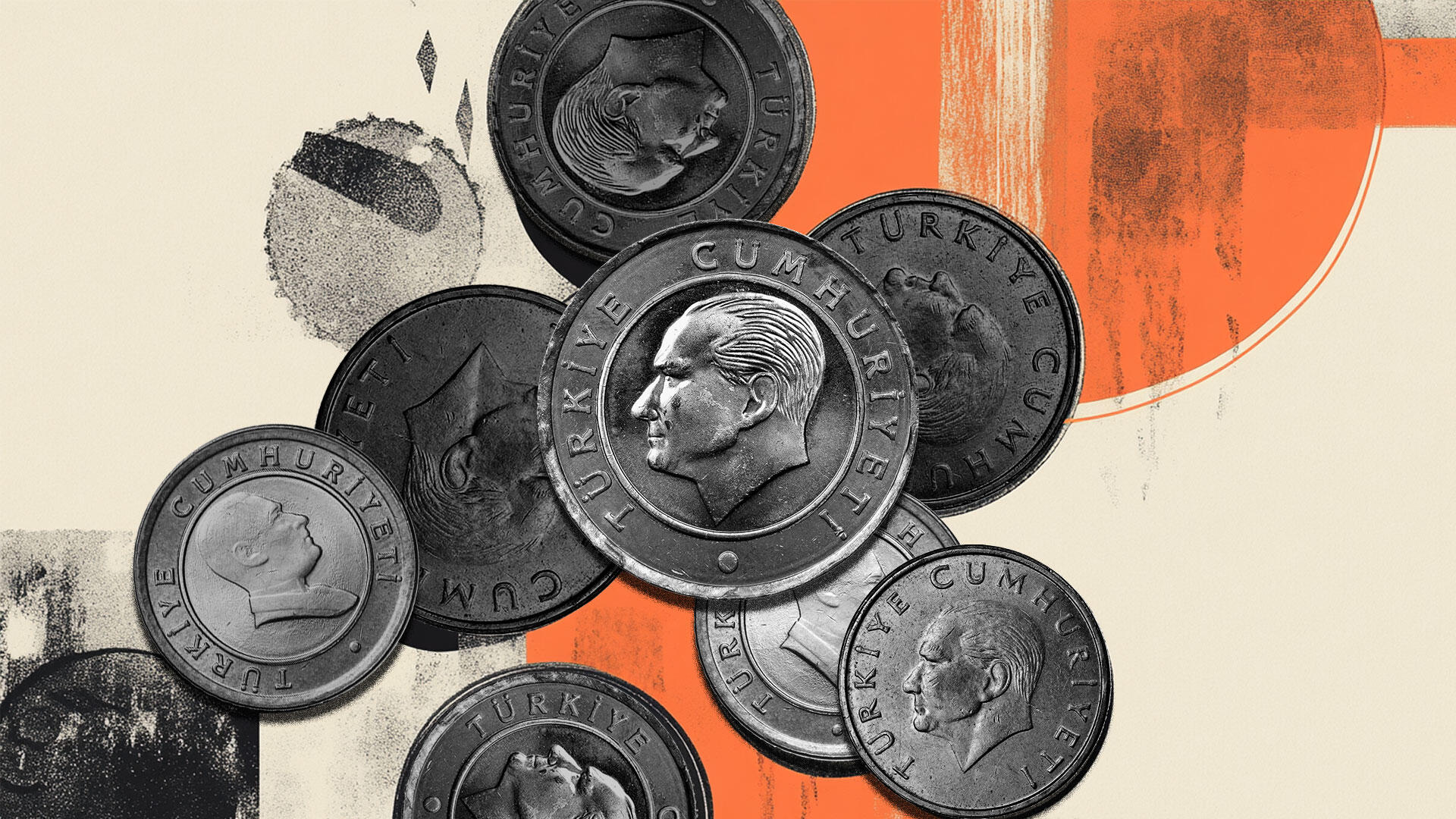
Latest balance of payments data from Turkey show that capital inflow rebounded in May after suffering a heavy decline during the politically tumultuous March-April period (following the Istanbul mayor’s arrest). Yet, the lira has kept depreciating: USD/TRY recently broke through the 40.0 mark, Commerzbank's FX analyst Tatha Ghose notes.
Inflation and monetary policy risk factors have not disappeared
"There is a superficial explanation, and there is a deeper explanation. The superficial explanation is that a part of the recovery in portfolio inflow during May was increased external borrowing (Turkey returned to primary sovereign issuance with a US$2bn bond issue after markets calmed down). And if the government borrows more from abroad, that is not a reason for the exchange rate to appreciate. This is the simple explanation of why the lira did not appreciate. As an aside, such issuance continued also in July, in larger magnitude, which will boost capital inflow data in future. But, the same caveat applies: this is why the lira is not appreciating in July either."
"Not all the turnaround of May was primary issuance, though – bank sector flow also turned around. Still as far as flows are concerned, the broader argument applies: inflows which represent borrowing and create a matching liability have no reason to boost the exchange rate. Only in isolated instances, we may see secondary market 'flows' as a signal that investor sentiment has changed towards a certain asset, but that is about all. Just to summarise some other key data: the current-account trend improved slightly in May. The year-on-year comparison showed a deterioration – but, on a seasonally-adjusted level basis – which we prefer – the current-account deficit narrowed compared with April, which is a positive for the economic adjustment programme."
"What about the deeper explanation of the lira’s weakness? In our view, the lira’s persistent weakness is better understood as the unwinding of an overvaluation built up in prior years with the help of heavy FX intervention and soft capital controls. The current policy framework wants to expend less resources towards such ends and wants to free markets up gradually. This will most likely result in a gradually weaker lira, at least on a nominal basis. Remember, Turkey’s real exchange rate is appreciating at c.7% – the annualised lira depreciation rate, so far this year, works out to 28% while the inflation rate is c.35%. This may be the maximum pace of real exchange rate appreciation which fundamentals can support. This is still consistent with nominal exchange rate depreciation. Crucially, risk factors pertaining to inflation and monetary policy have not disappeared."
Author

FXStreet Insights Team
FXStreet
The FXStreet Insights Team is a group of journalists that handpicks selected market observations published by renowned experts. The content includes notes by commercial as well as additional insights by internal and external analysts.