Trump’s tariff threat on China sinks US Dollar as market sentiment deteriorates
- The US Dollar Index falls below 99.00 as traders react to renewed trade tensions between the United States and China.
- US President Donald Trump threatens a “massive increase” in tariffs on Chinese goods following Beijing’s new restrictions on rare earth exports.
- Rising geopolitical uncertainty and fears of retaliatory measures weigh on risk appetite and push the Greenback lower.
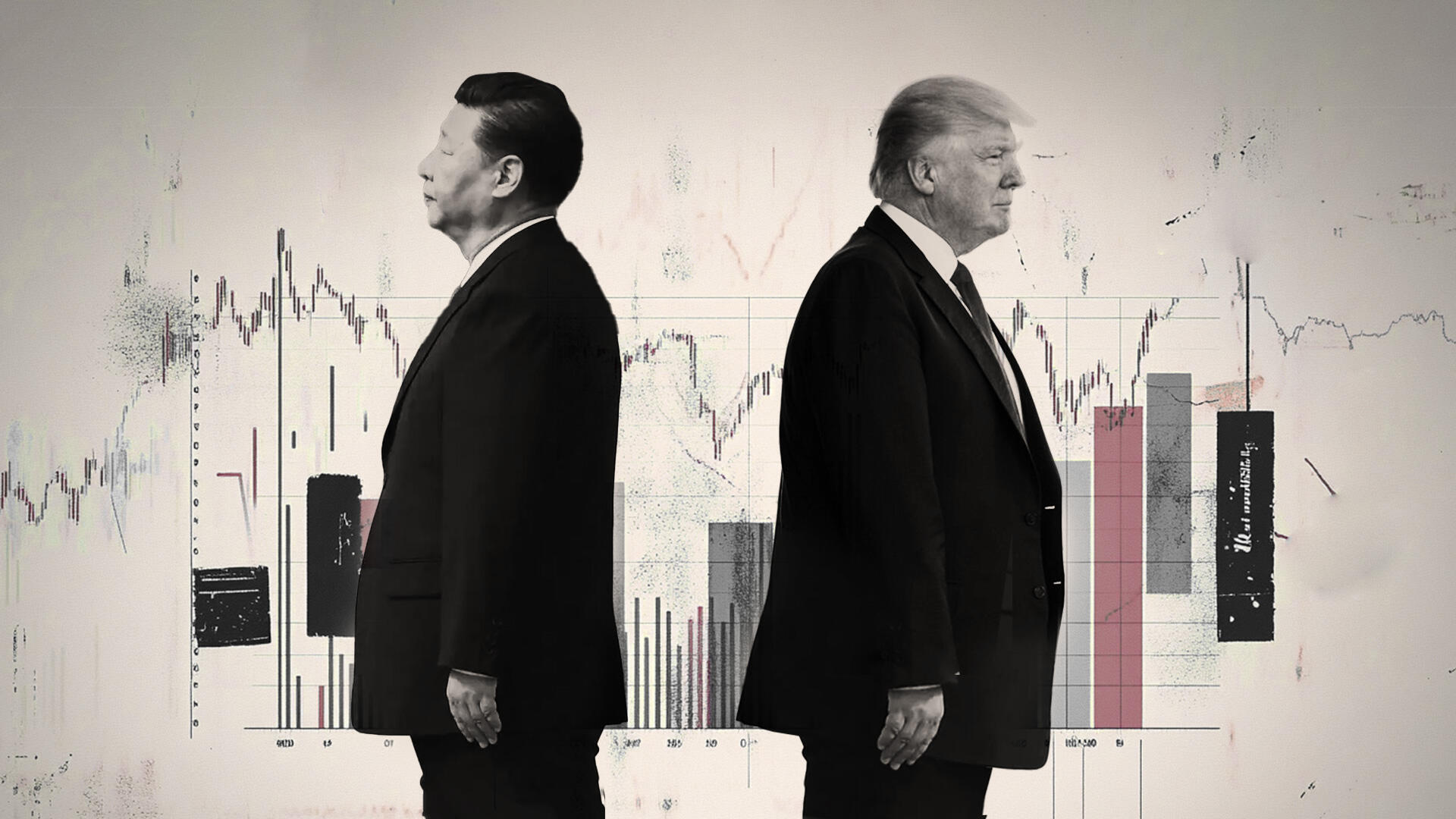
The US Dollar Index (DXY) drops by 0.48% to trade around 98.90 on Friday at the time of writing, extending its recent weakness as global investors react to a new escalation in trade tensions between the United States (US) and China.
US President Donald Trump said on his social media platform Truth Social that his administration is considering a “massive increase of tariffs” on Chinese imports, describing Beijing’s latest export restrictions on rare earths as “hostile.” Trump added that he sees “no reason” to meet Chinese President Xi Jinping at the upcoming Asia-Pacific Economic Cooperation (APEC) summit in South Korea, suggesting a deterioration in bilateral relations.
China announced on Thursday new limits on the trade of rare earth elements and technologies derived from them, requiring special licenses for any product containing more than 0.1% of rare earth materials sourced from China. These minerals are essential for advanced manufacturing, including electric vehicles, jet engines, and semiconductors, making the new measures a significant blow to global supply chains.
Markets fear that this renewed confrontation between the world’s two largest economies could ignite another trade war, undermining growth prospects and increasing volatility across financial assets. The announcement triggered a broad risk-off movement, with US Equities sliding and Treasury yields falling as investors shifted toward safe-haven assets.
The US Dollar (USD) decline reflects growing expectations that heightened trade and political uncertainty could prompt the Federal Reserve (Fed) to adopt a more accommodative stance. According to the CME FedWatch Tool, markets are now pricing in a strong chance of rate cuts in October and December if trade tensions continue to weigh on business confidence and investment flows.
Escalating tensions between Washington and Beijing would likely sustain volatility in the US Dollar as traders reassess global growth and inflation trajectories in the final quarter of the year.
-1760113601752-1760113601753.png)
US Dollar Index 4-hour chart. Source: FXStreet.
Author

Ghiles Guezout
FXStreet
Ghiles Guezout is a Market Analyst with a strong background in stock market investments, trading, and cryptocurrencies. He combines fundamental and technical analysis skills to identify market opportunities.