Switzerland: Negative rates will be new norm for a long time – ING
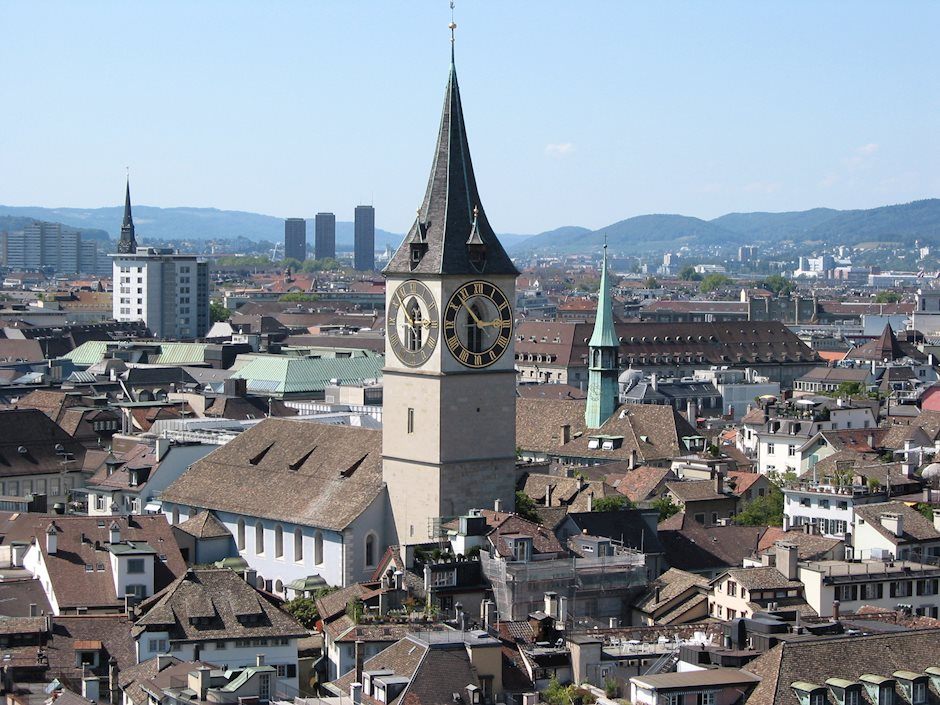

Charlotte de Montpellier, economist at ING, explains that the SNB has not changed monetary policy today, keeping rates unchanged.
Key Quotes
“Despite a slight depreciation of the Swiss franc, the SNB still describes the currency as "highly valued" and continues to intervene on the foreign exchange market, if needed.”
“The SNB has also reduced its conditional inflation forecast (i.e. assuming an unchanged policy rate). For 2019, it expects an inflation rate of 0.3%, compared to its forecast of 0.6% in December and 0.9% a year ago. This downward revision is, according to the SNB, the result of lower growth prospects, weaker inflation and revised expectations about monetary policy around the globe. For 2020, the SNB forecasts an inflation rate of 0.6% and 1.2% for 2021. The revised forecasts are a sign that the SNB is more dovish than ever before and is not planning any monetary tightening over the forecast period.”
“Regarding GDP growth forecasts, the SNB recognises that indicators have deteriorated in recent months. However, it believes that they reflect a "moderately positive" dynamic and forecasts growth of around 1.5% in 2019. While the government predicts 1.1%, this forecast seems, in our opinion, relatively optimistic.”
“We believe the SNB will not be able to raise rates for several years. It will have to wait for the next economic cycle to have the opportunity to increase them. In the meantime, negative rates are likely to remain the norm for Switzerland. At the same time, we don't believe the SNB will further reduce rates in the event of a stronger-than-expected economic slowdown.”
Author
Sandeep Kanihama
FXStreet Contributor
Sandeep Kanihama is an FX Editor and Analyst with FXstreet having principally focus area on Asia and European markets with commodity, currency and equities coverage. He is stationed in the Indian capital city of Delhi.